








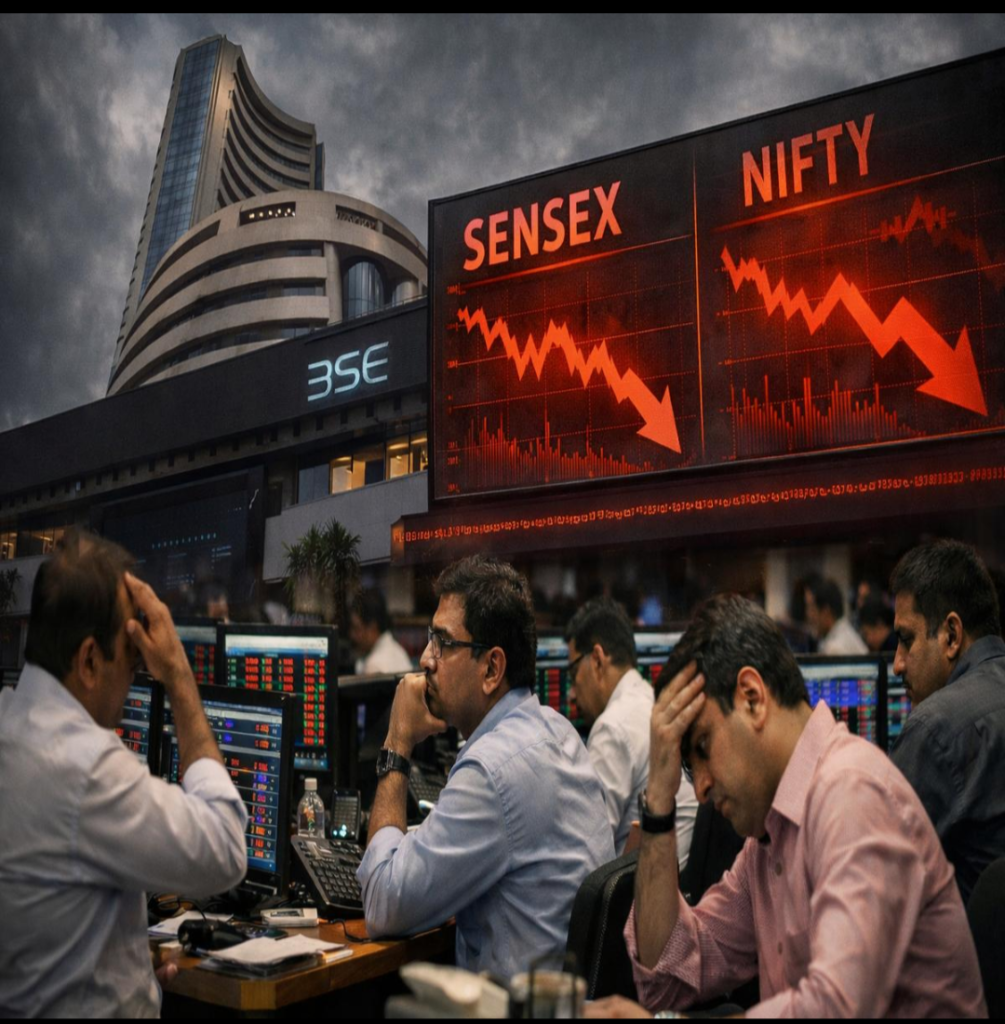
Indian stock markets declined sharply on Wednesday, September 9, 2026, extending losses for a third consecutive session. The BSE Sensex fell 813.35 points or 1.08% to close at 74,764.23, while the NSE Nifty 50 dropped 203.60 points or 0.86% to 23,431.50.
The sell-off was driven primarily by rising crude oil prices and escalating geopolitical tensions in West Asia (Middle East). Brent crude, the global benchmark, surged above the $100-per-barrel mark for the first time since July 24, 2026, amid the ongoing US-Iran conflict and related disruptions, including Iran-backed Houthi attacks on Saudi energy infrastructure.
Higher oil prices raise concerns for India, a major crude importer. Sustained levels around or above $100 could intensify inflationary pressures, weigh on the rupee and current account deficit, squeeze corporate margins (especially in oil-sensitive sectors), and reduce expectations of monetary easing by the Reserve Bank of India. Analysts noted that elevated oil remains a key overhang on domestic market sentiment.
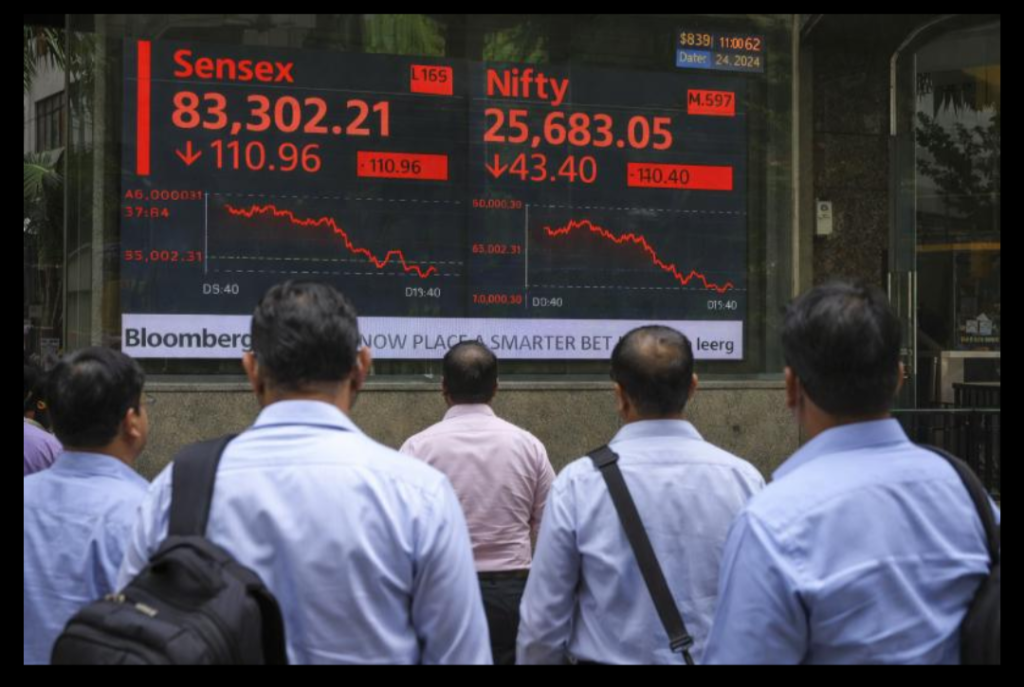
Additional pressure came from heavy selling in IT stocks, fresh foreign institutional investor (FII) outflows, and liquidity being absorbed by a booming IPO market. The Nifty IT index was among the worst performers, declining around 3%. Top losers included Infosys, HCL Technologies, Tech Mahindra, and others in the technology space. Broader market breadth was weak, with midcap and smallcap indices also ending lower.
Some support came from domestic institutional investors (DIIs) and select sectors like metals and energy, which showed relative resilience. Gainers included stocks such as Adani Ports, NTPC, and certain metal names.The Indian rupee also weakened, closing lower against the US dollar amid the risk-off mood.
Sensex: 74,764.23 (–813.35 / –1.08%)Nifty 50: 23,431.50 (–203.60 / –0.86%)Brent Crude: Above $100 (hit multi-week highs)
Investors are closely watching developments in the Middle East conflict and any signs of de-escalation that could ease oil prices. Until then, volatility is expected to persist, with markets remaining sensitive to global energy prices and geopolitical news.