
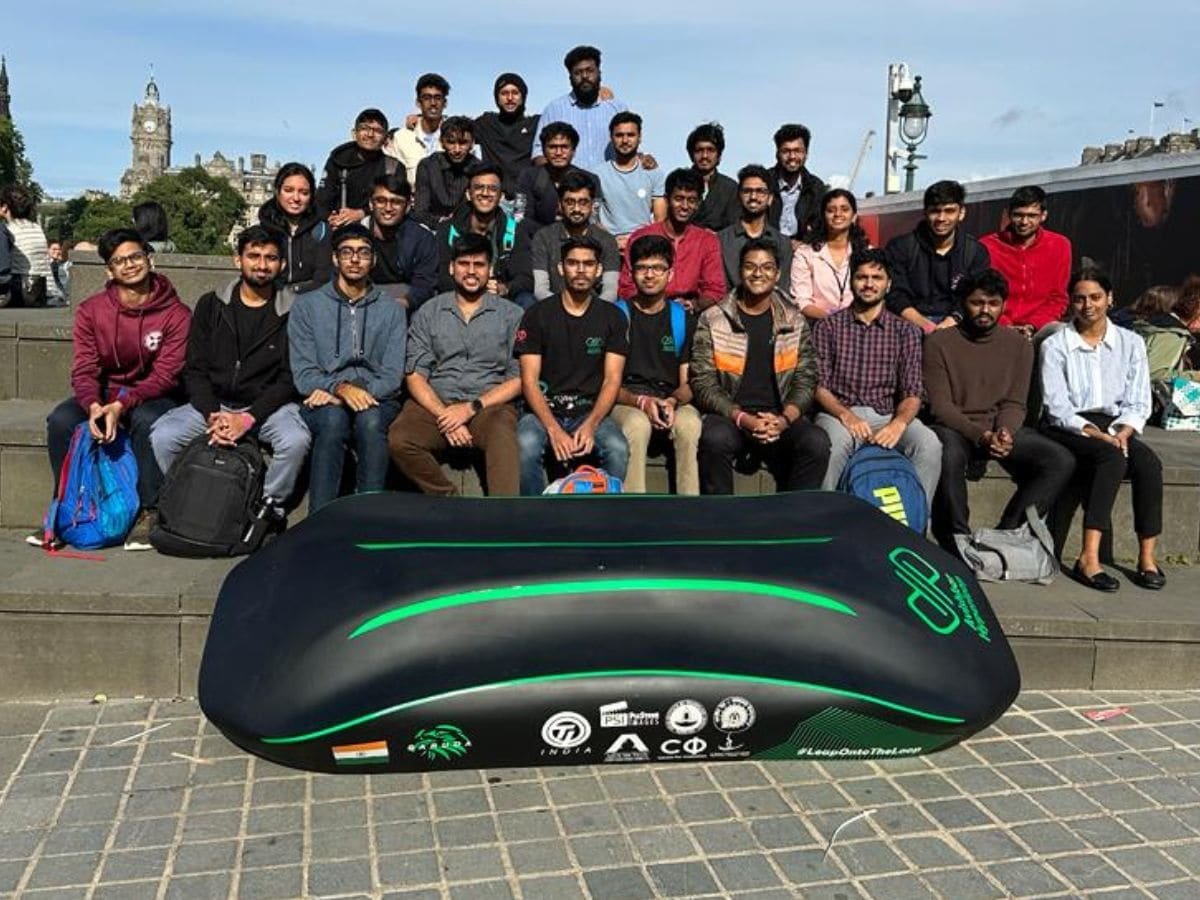





Students and researchers from IIT Madras have developed a prototype aimed at advancing the concept of futuristic Hyperloop transportation. The project demonstrates how innovative engineering could transform the way people travel in the future.The prototype features a pod-like vehicle designed to move through a controlled track system, reflecting the core idea behind Hyperloop technology—high-speed transportation through low-resistance environments.
The initiative highlights the growing role of Indian students and young engineers in developing next-generation mobility solutions. From designing the vehicle to testing its movement on a dedicated track, the project showcases hands-on engineering and technological innovation.Hyperloop technology has attracted global attention because of its potential to offer faster, efficient and modern transportation between cities. While large-scale commercial deployment still faces major technical, infrastructure and economic challenges, projects like this help researchers test and improve the underlying technologies.
A team of students and researchers from IIT Madras is working on futuristic transportation technology with a prototype inspired by the Hyperloop concept. The project reflects India’s growing interest in developing faster and more advanced mobility solutions.The Hyperloop concept aims to move passenger or cargo pods through a controlled environment with significantly reduced air resistance. In theory, this could allow vehicles to travel at very high speeds while offering a new alternative to conventional road, rail and air transportation.
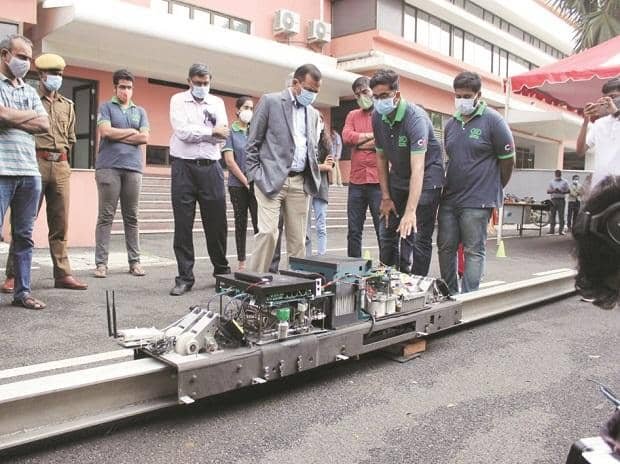
The IIT Madras project provides students with an opportunity to work on several aspects of advanced mobility, including vehicle design, propulsion, control systems, aerodynamics and testing. Such prototypes are important because they allow engineers to study how futuristic transportation concepts could work in practical conditions.The development also highlights the importance of student-led innovation and research in India. Engineering institutions are increasingly encouraging students to move beyond classroom learning and work on real-world technologies that could address future transportation challenges.
Hyperloop technology is still at the development and testing stage, and several technical and infrastructure challenges need to be addressed before such systems can become commercially viable. Safety, construction costs, energy requirements, passenger comfort and large-scale infrastructure are among the key factors researchers must consider.Despite these challenges, experimental projects such as the IIT Madras prototype demonstrate how Indian engineering talent is exploring the possibilities of next-generation transportation.
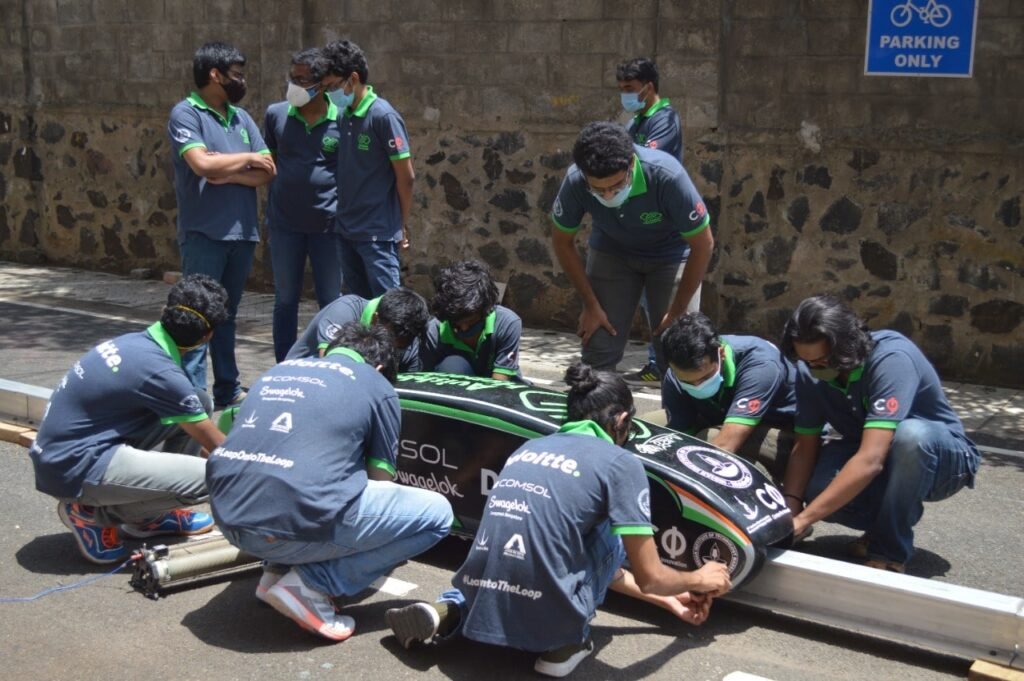
Although Hyperloop has generated considerable interest worldwide, the technology still faces several challenges before it can become a mainstream transportation option.Engineers need to address issues such as passenger safety, emergency evacuation, infrastructure costs, energy consumption, maintaining controlled environments, system reliability and passenger comfort.Therefore, prototypes and experimental systems are important steps in understanding the practical difficulties involved and improving the technology.The IIT Madras prototype offers a glimpse of how transportation could evolve beyond traditional road and rail networks. While commercial Hyperloop travel is still a developing concept, student-led projects are helping turn futuristic ideas into practical engineering experiments.The initiative highlights the role of young innovators, research institutions and engineering education in exploring technologies that could potentially transform mobility in the coming decades.
The IIT Madras project is also an example of how Indian educational institutions are encouraging students to work on technologies that could shape the future.Instead of limiting innovation to theoretical research, prototype development gives engineering students practical exposure to design, simulation, manufacturing, testing and problem-solving.Such initiatives could play an important role in building a skilled workforce capable of contributing to India’s future transportation and deep-technology sectors.