





For years, success was closely tied to speed.
A bigger salary, a better job title, a busy calendar and the ability to keep moving forward were often treated as signs that life was going well. But in 2026, a quieter idea of success is gaining ground.
More people are asking a different question: What if a good life is not about doing more, but having more time to enjoy what already matters?
From slower mornings and quieter homes to couples leaving crowded cities for smaller towns and nature-rich destinations, the shift is becoming increasingly visible. What began as an online lifestyle conversation around “soft living” is increasingly connecting with real choices about work, relationships, location and everyday priorities.
1. Success Is Getting a New Definition

The traditional success story is familiar: study hard, build a career, earn more and keep climbing.
But that formula does not appeal to everyone anymore.
A growing number of people are placing value on things that cannot be measured by a payslip—time with family, control over daily routines, meaningful work, community and the freedom to slow down.
The Indian Express spoke to couples who had deliberately moved away from major cities in search of a lifestyle that gave them greater control over their time and energy.
The change is subtle but significant: achievement is no longer the only measure of progress.
2. Soft Living Is About Choice, Not Doing Nothing
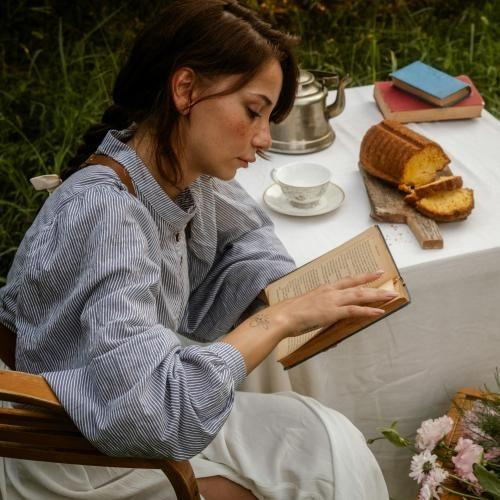
The phrase “soft living” can sometimes sound like an invitation to avoid responsibility.
That misses the bigger idea.
At its core, the trend is about creating a life with fewer unnecessary pressures and more intentional choices. A slow breakfast, an evening walk, reading before bed or leaving gaps in the schedule can all become part of that approach.
The popular 2026 soft-living conversation frames the movement around intentional routines, slower mornings and choosing peace over constant performance.
It is not necessarily about abandoning ambition. It is about questioning whether every part of life needs to operate at maximum speed.
3. The Quiet Migration Is Happening Outside the Big Cities
One of the most interesting parts of this movement is geographical.
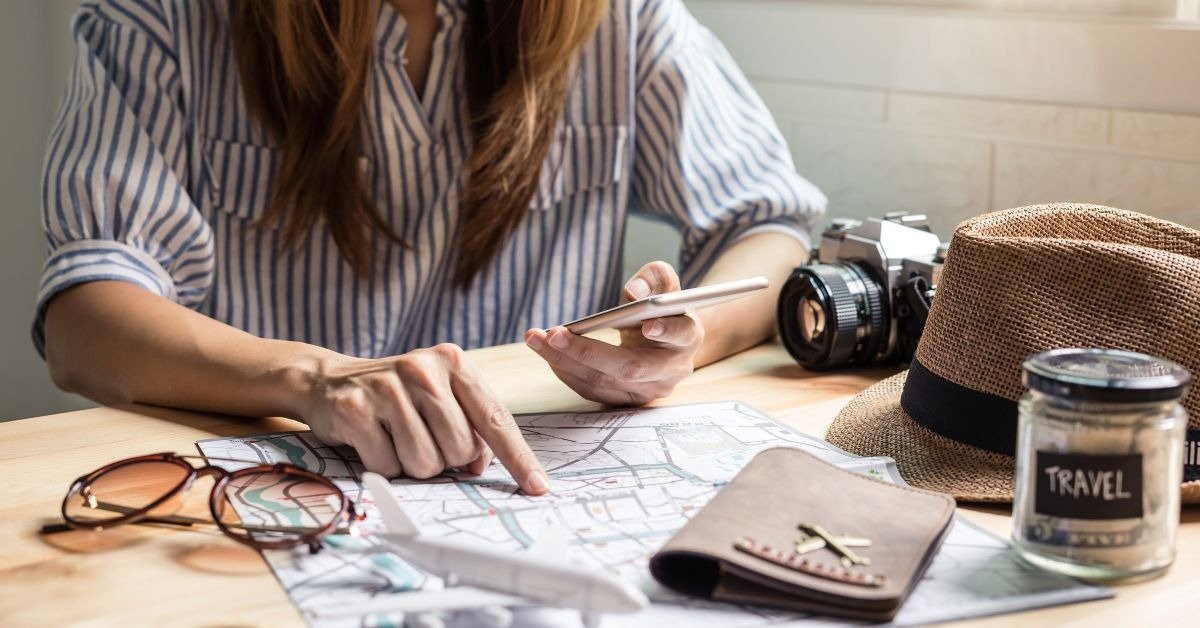
Some couples are leaving metropolitan environments for mountains, farms, coastal communities and smaller towns. The Indian Express profiled couples who moved to places including Bir in Himachal Pradesh, Palakkad in Kerala, Gangtok in Sikkim and Goa while looking for a different rhythm of life.
These moves are not simply about finding beautiful surroundings.
For many, the bigger attraction is having more control over the day less commuting, more time together and a lifestyle that feels connected to their priorities.
4. The Dream Is Not Always to Quit Working
An important detail often gets lost in the romantic version of slow living.
Many people choosing a slower lifestyle are not abandoning work altogether. Instead, they are changing how and where they work.
Remote careers, flexible schedules, independent businesses and creative professions can make it possible to live outside traditional employment hubs.
The couples featured by the Indian Express include people continuing to run businesses, work remotely or build new ventures after leaving cities.
The emerging goal, therefore, may not be “work less at any cost.” It may be work in a way that leaves room for an actual life.
5. Why Couples Are Making the Shift Together
Slow living becomes particularly interesting when it becomes a shared decision.
For couples, moving away from city pressure can change how they spend their time together. Instead of long commutes and tightly packed weekends, everyday life can include shared meals, outdoor activities, creative projects or simply more unstructured time.
The Indian Express examples show couples treating lifestyle design as a joint decision rather than an individual career move.
That changes the idea of a relationship too. Success can begin to mean not only building financial security, but building a life that both people actually enjoy living.
6. The “Always Busy” Lifestyle Is Losing Some of Its Shine
Being busy once carried a certain social status.
A full diary suggested importance. Constant emails suggested ambition. Working late could be interpreted as dedication.
But constant busyness can also leave very little room for attention, relationships or simple enjoyment.
The slow-life movement questions that equation. Instead of asking how much can be fitted into one day, people are increasingly interested in whether the things filling that day are worthwhile.
That is a very different approach to productivity.
7. Nature Has Become Part of the New Lifestyle Aspirational Image

Mountains, beaches, farms and smaller communities have become powerful symbols in the slow-living conversation.
But the appeal goes beyond scenery.
Nature can change the rhythm of everyday activities. A walk does not have to be squeezed between meetings. A morning can begin outdoors. Weekends can involve local exploration rather than crowded commercial spaces.
For several couples interviewed by the Indian Express, proximity to nature was closely connected with their decision to move.
The important distinction is that the dream is not necessarily about escaping civilization. It is about finding an environment that better matches the pace of life someone wants.
8. A Slower Life Still Comes With Problems
The social-media version of slow living can look almost perfect: scenic mornings, beautiful homes, fresh food and plenty of free time.
Real life is more complicated.
Moving to a smaller town can mean fewer conveniences, different infrastructure, changes in income and new professional challenges. Some destinations that were once relatively affordable are also becoming more expensive as more people move there.
The couples profiled by the Indian Express described challenges ranging from slower services and adapting to unfamiliar markets to rising living costs.
That is why slow living should not be presented as a universal solution. A peaceful location does not automatically create a peaceful life.
9. You Don’t Have to Move to a Mountain to Live More Slowly
Perhaps the most useful part of the trend is that a slower lifestyle does not require a dramatic relocation.
Someone living in a large city can create a quieter routine without changing their address.
That might mean protecting an hour in the morning from notifications, leaving weekends less crowded, cooking at home, spending more time outdoors or resisting the pressure to make every evening productive.
In other words, slow living can be a daily practice before it becomes a geographical decision.
10. The New Luxury Could Be Having Time
Luxury has traditionally been associated with expensive possessions and exclusive experiences.
The slow-life movement suggests another form of luxury: time that is genuinely yours.
Time to drink coffee without rushing. Time to talk to someone you love. Time to work on something because you enjoy it. Time to sit outside without checking the clock.
That may explain why the trend has resonated so strongly in 2026. After years of being encouraged to optimise almost everything, many people are becoming interested in something harder to measure: contentment.
11. Is Slow Living the Future of Lifestyle Culture?
The trend is unlikely to mean that cities, ambition or demanding careers will suddenly disappear.
Instead, the bigger change may be that people are becoming more selective about what they consider worth the effort.
Some will continue to love the energy of cities. Others may choose farms, mountains or coastal towns. Many will remain somewhere in between, combining demanding careers with deliberately slower evenings and weekends.
What connects them is the same question: Does the life I am building actually feel like the life I want?
That question may be the real heart of the slow-life movement.
The Bottom Line
The rise of soft living and quiet migration is not simply about moving slowly. It is about moving more intentionally.
For some people, that means changing careers or relocating. For others, it means protecting their evenings, spending more time with family or refusing to treat exhaustion as a badge of success.
In 2026, success may still include money, ambition and achievement. But for an increasing number of people, it also includes something much quieter: having enough time and freedom to enjoy the life they worked so hard to build.