








Brent crude oil has surged above $108 a barrel, driven by intensifying tensions in the Middle East that continue to threaten global energy supplies.
On September 10, 2026, Brent futures settled at $107.63 a barrel after a sharp 6.34% gain (up $6.42), briefly trading above $108 during the session — the highest levels since mid-May. West Texas Intermediate (WTI) also jumped more than 6%, closing at $102.48 and crossing the $100 mark for the first time since late May. Early trading on September 11 saw prices remaining elevated near these levels.
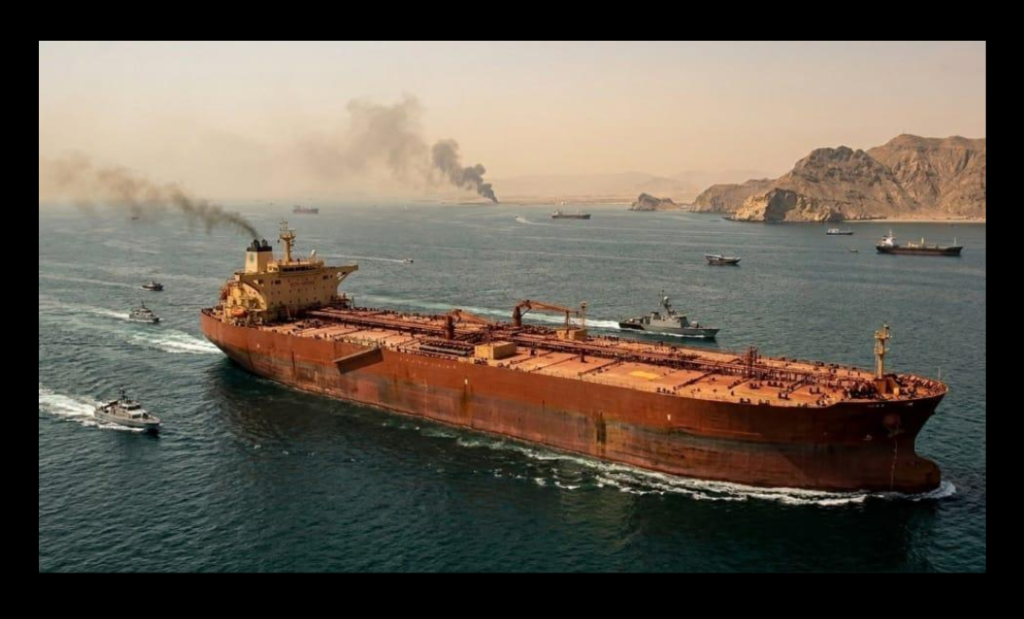
The rally reflects growing market concerns over disruptions to key shipping routes. Attacks near the Strait of Hormuz — a critical chokepoint for a significant share of global oil exports — have intensified, with reports of Iranian forces targeting vessels and reciprocal actions involving the United States. Flows through the strait remain well below pre-conflict levels. At the same time, Iran-backed Houthi activity in the Red Sea and Bab el-Mandeb Strait has heightened risks to alternative shipping routes and regional energy infrastructure, including attacks that have affected Saudi facilities.
These developments come amid a prolonged regional conflict that began earlier in 2026. Reduced tanker traffic, higher insurance and freight costs, and uncertainty over the duration of disruptions have tightened the physical oil market. Analysts note that the risk premium is becoming more embedded as hopes for a quick de-escalation fade. Additional support has come from factors such as Chinese buying interest and reports of lower Saudi output in recent months.
Oil prices have risen sharply over the past week and month, with Brent up roughly 12–19% in recent sessions depending on the exact comparison period. Year-to-date gains remain substantial. While some forecasts had anticipated moderation, the latest escalation has prompted traders to reassess the outlook for supply recovery.
Higher oil prices typically feed into elevated fuel costs, inflationary pressures, and broader economic impacts for importing nations. Markets will closely monitor shipping data through Hormuz and the Red Sea, any diplomatic signals, and inventory reports in the coming days.
Prices remain volatile and subject to rapid changes based on geopolitical developments.