







Staying fit doesn’t always require a gym membership, expensive equipment, or long hours on a treadmill. For many people, the biggest challenge isn’t knowing that exercise is important it’s finding a routine they can actually maintain.
The good news is that fitness can be built into everyday life. Walking, dancing, cycling, swimming, playing a sport, or even being more active around the house can help you move more and support your overall health.
Make Walking Part of Your Routine
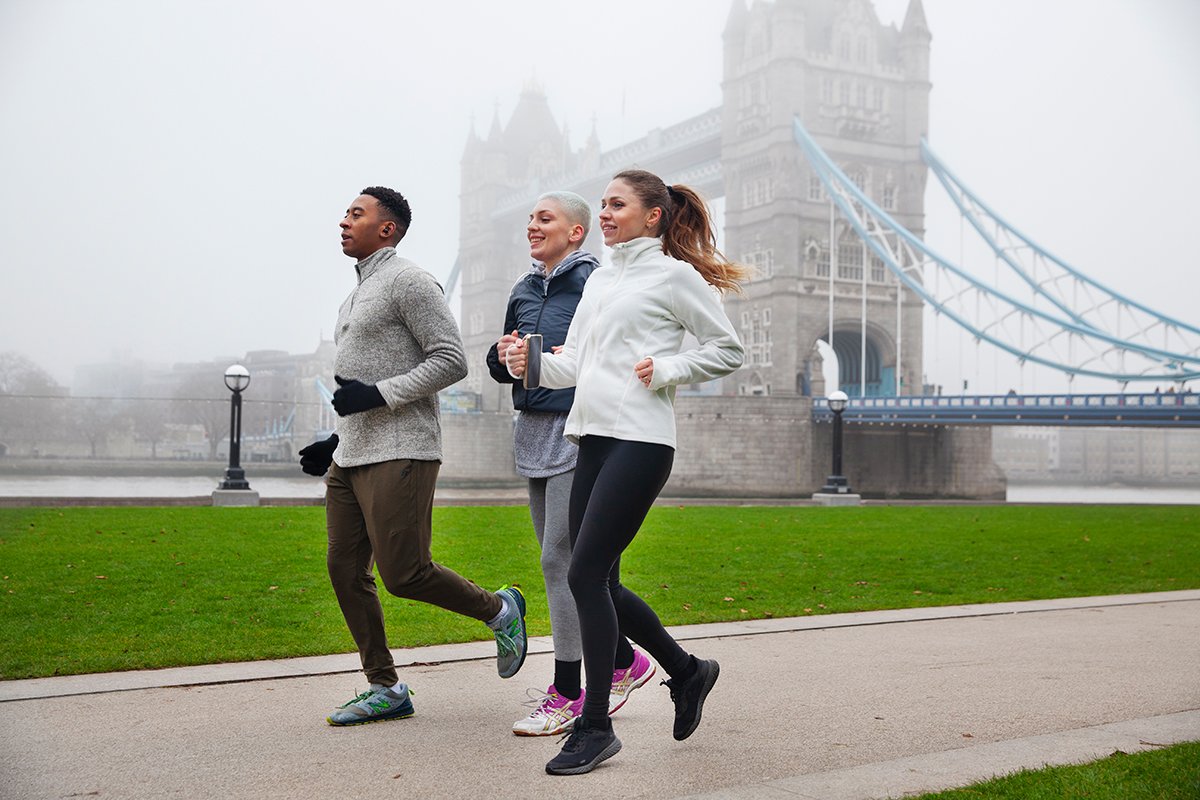
Walking is one of the simplest ways to become more active. You don’t need special equipment or complicated training plans. A brisk walk can raise your heart rate while giving you an opportunity to get outside and clear your mind.
Try adding short walks throughout the day instead of relying on one long workout. Walk while taking phone calls, choose stairs when practical, take a short walk after meals, or park slightly farther from your destination.
These small decisions can add up over time.
Turn Music Into a Workout
If traditional workouts feel boring, put on your favourite music and dance.
Dancing can provide an enjoyable form of cardiovascular exercise while also involving different muscle groups. You can dance at home, join a class, or simply spend 15–30 minutes moving to music.
The advantage is that you’re more likely to continue an activity you genuinely enjoy.
Try a Sport You Actually Like
Fitness doesn’t have to feel like exercise. Playing badminton, football, basketball, tennis or another recreational sport can give you a combination of cardiovascular activity, coordination and movement.
Sports can also make physical activity more social. Playing with friends or family may make it easier to stay consistent than following a repetitive workout routine.
Get Into the Water
Swimming is another option for people who have access to a pool. It involves the upper and lower body and can provide a challenging cardiovascular workout.
Because the water supports your body, swimming can also feel very different from land-based exercise. Beginners should start at a comfortable pace and gradually increase the duration as their fitness improves.
Don’t Underestimate Everyday Movement
Not every calorie burned through movement comes from a formal workout.
Everyday activities such as cleaning, shopping, climbing stairs, standing, walking around the workplace and doing household tasks contribute to your overall daily movement. This type of activity is often referred to as non-exercise activity thermogenesis (NEAT).
Increasing these activities can be particularly useful for people who spend much of their day sitting.
Instead of trying to completely transform your lifestyle overnight, look for opportunities to move a little more.
Consistency Matters More Than Perfection
One of the biggest mistakes people make is treating fitness as something that only counts when they complete a structured workout.
A 20-minute walk is still movement. A game of badminton still counts. Dancing in your living room still counts. Taking the stairs instead of the lift is another small step toward a more active lifestyle.
The most effective routine is often the one you can repeat week after week.
Build Your Own No Gym Fitness Routine
You don’t have to choose just one activity. Create a routine around things you enjoy.
For example:
- Take a brisk 20-30 minute walk several days a week.
- Add dancing, cycling or swimming for variety.
- Play a recreational sport on the weekend.
- Break up long periods of sitting with short movement breaks.
- Use stairs and walk short distances instead of driving whenever practical.
- Add basic strength exercises such as squats, lunges, push-ups or resistance-band exercises if appropriate for your fitness level.
The goal isn’t to make every day exhausting. It’s to make regular movement a normal part of your lifestyle.
The Bottom Line
Getting fit doesn’t have to begin with a gym membership. What matters most is finding physical activities that fit naturally into your life and doing them consistently.
Walk more, play more, dance, swim, cycle or simply spend less time sitting. Combined with a balanced diet, adequate sleep and appropriate recovery, these habits can help you build a healthier and more active lifestyle without depending entirely on a gym.