







For years, a packed social calendar was often treated as a sign of having a good life. Dinner reservations, crowded cafés, weekend parties and last-minute plans all carried a certain appeal. In 2026, however, the idea of a great evening is changing.
For a growing number of people, staying home is no longer something to apologise for. It can mean ordering your favourite food, putting on comfortable clothes, watching a film, reading, cooking, playing games or simply enjoying a quieter evening. The home is increasingly becoming a place for entertainment, relaxation and personal rituals not just somewhere to return to after going out.
That shift is helping create what is increasingly described as the comfort economy, where people are spending more to make their time at home feel enjoyable, stylish and intentional.
1. Staying In Has Become a Lifestyle Choice
The modern homebody is very different from the old stereotype of someone who simply avoids socialising.
Today, choosing to stay in can be an active decision. Instead of rushing from one plan to another, people are putting greater value on evenings that feel comfortable and personal.
The appeal is partly about control. At home, there is no commute, no queue, no crowded venue and no pressure to keep the night going. A quiet evening can be designed around exactly what someone wants.
This has helped turn “staying in” from a backup plan into a lifestyle preference.
2. The Rise of the Comfort Economy
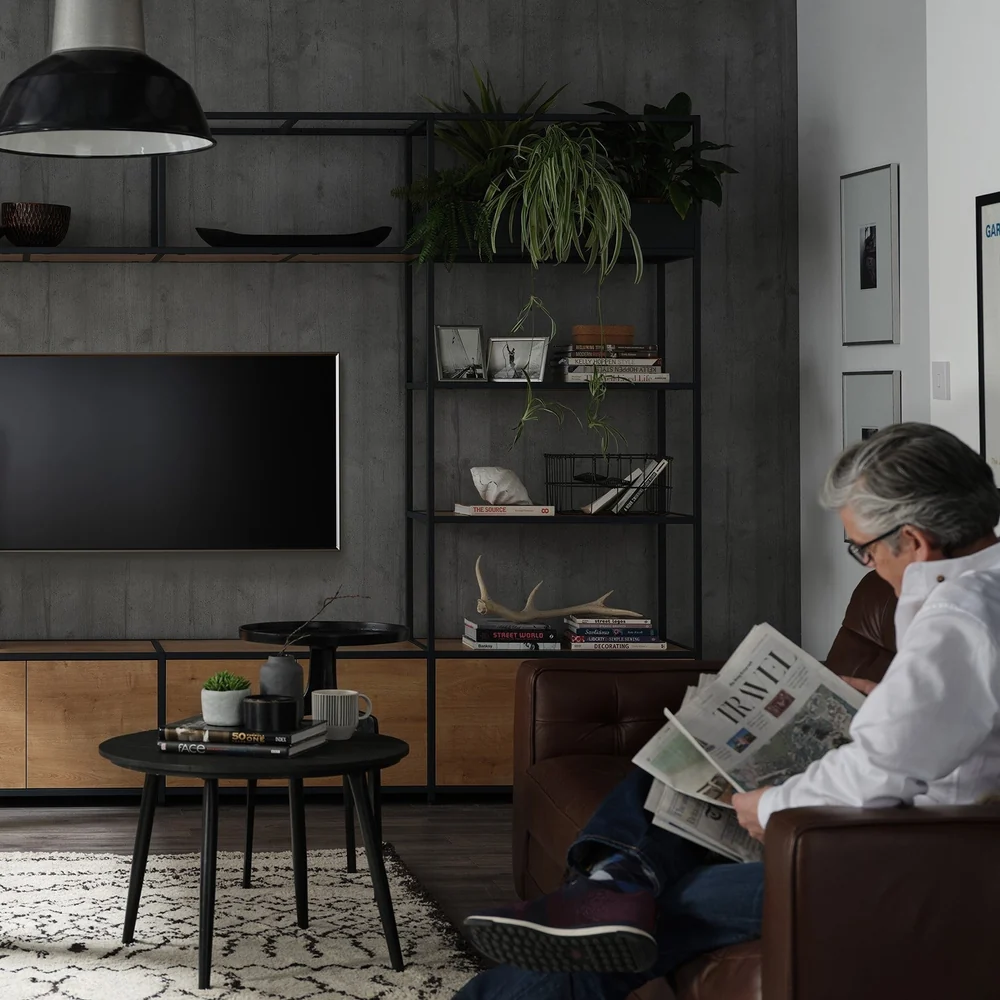
The biggest change may be that people are no longer just staying home they are investing in the experience.
Better bedding, comfortable furniture, candles, diffusers, soft lighting, premium pyjamas and upgraded loungewear are all part of a broader effort to make home life feel more enjoyable.
The Upcoming recently described this as the “comfort economy,” highlighting how home-based leisure has developed into a real consumer category. Its reporting also points to growing interest among men in premium bedding, home fragrance and better-quality loungewear.
The result is simple: comfort is becoming something people are willing to spend money on.
3. Loungewear Is No Longer Just Lazy-Day Clothing
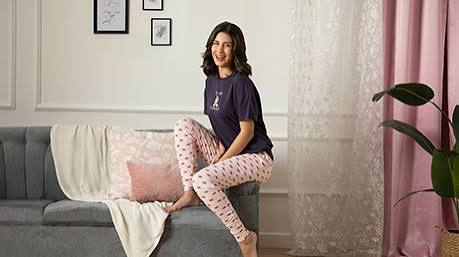
The old definition of home clothing was straightforward: something comfortable that you wouldn’t mind getting messy.
That is changing.
Loungewear has moved closer to everyday fashion, with coordinated sets, better fabrics, cleaner silhouettes and pieces designed to work beyond the sofa. Someone can wear the same relaxed trousers or sweatshirt while working from home, making coffee, meeting a friend nearby or settling down for the evening.
This reflects a wider change in how people think about their homes. When more time is spent there, clothing designed for comfort becomes part of everyday style rather than an afterthought.
4. Home Is Becoming the New Entertainment Venue
A night at home does not necessarily mean doing nothing.
Streaming has made movie nights easy. Gaming can turn a living room into a social space. Cooking has become entertainment for many people, while playlists, podcasts, books and creative hobbies can fill an evening without requiring anyone to leave the house.
Even socialising can happen at home.
Dinner parties, board-game nights, casual gatherings and small celebrations offer an alternative to crowded bars and expensive restaurants. The home can provide the same sense of connection, but in a more relaxed environment.
5. Small Luxuries Are Making Nights In Feel Special
One reason the trend is gaining momentum is the appeal of small, affordable indulgences.
Instead of spending heavily on a night out, someone might upgrade their bedding, buy a new candle, choose better coffee, invest in comfortable sleepwear or create a more attractive corner of the living room.
These purchases may be relatively small, but they can change how an evening feels.
The comfort economy taps into this idea: when people want to treat themselves without committing to a major expense, making home life better can be an attractive option.
6. The Homebody Lifestyle Is Not the Same as Isolation
There is an important distinction between enjoying time at home and withdrawing from the world completely.
The new homebody culture is more about choosing when to go out rather than rejecting social life altogether.
Someone can enjoy a busy weekend and still prefer a quiet Friday night. They can meet friends for brunch and spend Sunday reading at home. The trend is less about avoiding people and more about having greater control over personal time.
That flexibility is one reason staying in can feel less restrictive than it once did.
7. Working From Home Has Changed How People See Their Space
The growth of hybrid and remote work has also altered the relationship people have with their homes.
A room may now function as an office during the day, a dining area in the evening and an entertainment space later at night. As homes take on more roles, people naturally become more interested in making them comfortable, organised and visually appealing.
Home-design trends have increasingly reflected this shift, with greater attention to multifunctional rooms, storage, reading corners and spaces designed around everyday routines. Sharps, for example, continues to highlight home offices, reading areas and living spaces as places where design and daily life increasingly overlap.
8. Men Are Becoming a Bigger Part of the Homebody Market
The comfort trend was often marketed primarily toward women, but that picture is changing.
Men are increasingly being targeted with premium loungewear, bedding, home fragrance and products designed to make domestic spaces feel more personal.
The Upcoming specifically highlights this change, arguing that men’s spending habits are expanding into categories traditionally associated with the homebody lifestyle.
It is part of a broader cultural shift in which comfort, home design and personal routines are becoming less gendered.
9. Why Staying In Feels More Attractive in 2026
Several forces are coming together to make the homebody lifestyle appealing.
Going out can be expensive, while staying home can offer more control over spending. Many people also have busier schedules and may value downtime more than another obligation in the diary.
At the same time, homes themselves are becoming better equipped for entertainment and relaxation. Better streaming services, connected devices, home cooking equipment and comfortable interiors make it easier to create an enjoyable evening without leaving the front door.
The result is not the end of going out. It is a change in the balance between going out and staying in.
10. The New Status Symbol May Be a Comfortable Home
The biggest shift is cultural.
There was once a sense that the exciting life happened outside the home. Now, a carefully designed, comfortable home can be part of the lifestyle itself.
A well-made sofa, good lighting, a favourite playlist, an organised kitchen or a cosy reading corner may not look dramatic on social media, but they can have a major impact on everyday life.
The homebody era is therefore less about becoming antisocial and more about redefining what a satisfying evening looks like.
In 2026, staying in does not have to mean missing out. For many people, it can mean choosing comfort, convenience and enjoyment on their own terms.