








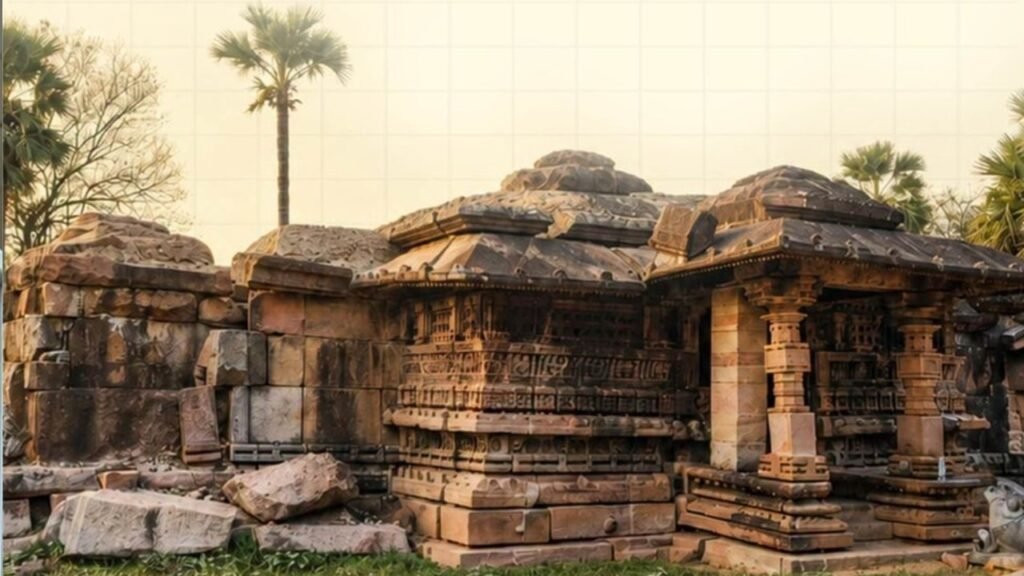
Gollala Gudi, believed to date back to the 12th century, stands as a remarkable reminder of India’s rich temple heritage and architectural traditions. With its centuries-old history, spiritual significance and traditional craftsmanship, the temple continues to attract the attention of history enthusiasts, devotees and heritage lovers.
The temple reflects the architectural and cultural practices of an era when temples served not only as places of worship but also as important centres of art, community life and cultural traditions. Its historic structures and traditional design offer a glimpse into the craftsmanship of medieval India.
For generations, the temple has remained connected with local religious traditions and community practices. The heritage value of Gollala Gudi lies not only in its age but also in the stories, customs and cultural memories associated with the sacred site.
Ancient temples such as Gollala Gudi provide an important link between the present and the past. Their architecture, sculptures, rituals and surroundings help preserve the cultural identity of the region and offer valuable insights into India’s long temple-building history.
As interest in heritage tourism and historical monuments continues to grow, Gollala Gudi remains a significant destination for those looking to explore lesser-known chapters of India’s architectural and spiritual history.
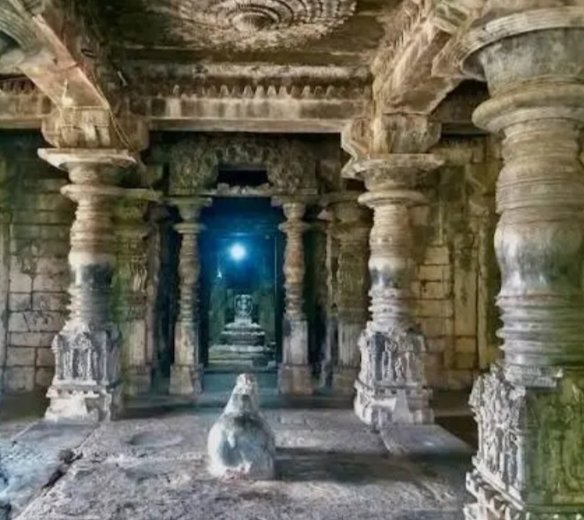
What makes Gollala Gudi particularly significant is its connection with the region’s living heritage. While many ancient monuments are remembered mainly through historical records, temples continue to remain part of everyday religious and cultural life. This living connection gives historic temples a unique place in India’s heritage landscape.
The temple also highlights the importance of preserving lesser-known heritage sites. India is home to thousands of historic temples, many of which remain outside the spotlight despite their remarkable history and cultural value. Protecting such monuments can help future generations understand the architectural achievements and traditions of earlier centuries.