




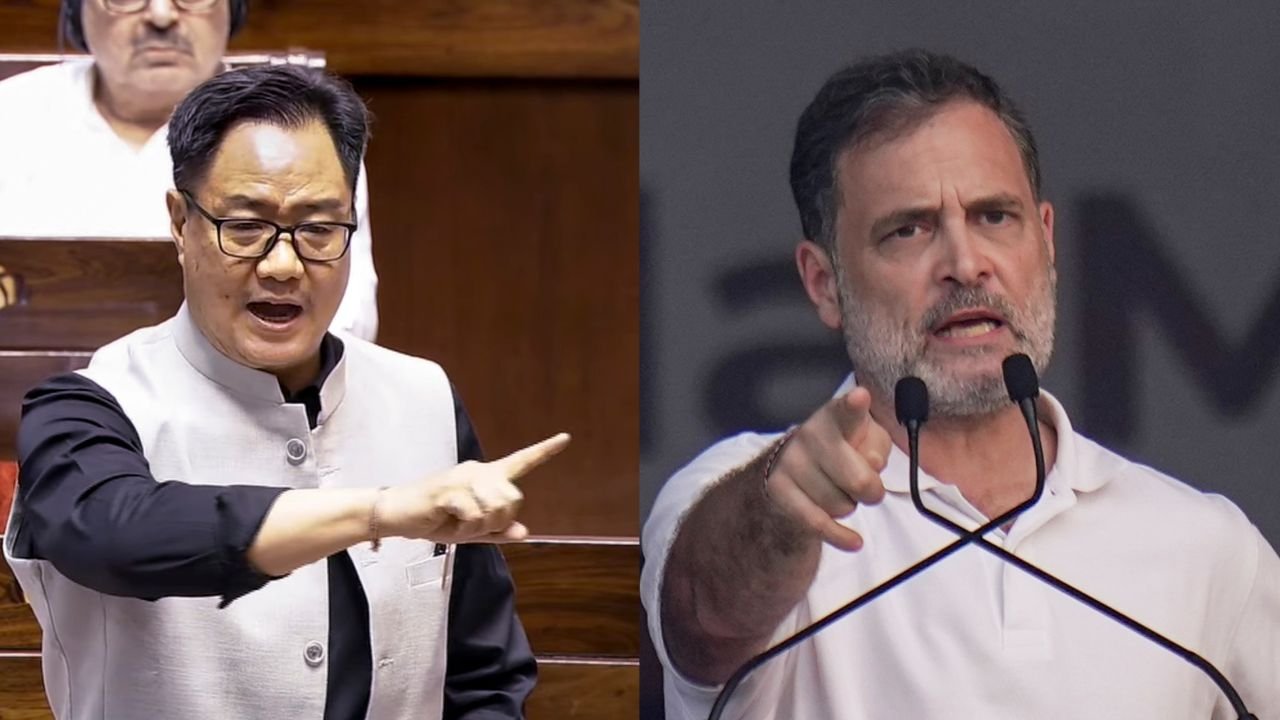
A fresh political confrontation has emerged between the Bharatiya Janata Party (BJP) and the Congress after Union Parliamentary Affairs Minister Kiren Rijiju publicly outlined seven suggestions for Rahul Gandhi, claiming that following them could help Congress increase its representation in Parliament.
In a post on social media platform X on November 4, 2026, Rijiju took a swipe at the Congress leader and listed several conditions that he said could improve the party’s electoral performance. His remarks were reported on November 5 and came amid an ongoing exchange between the ruling BJP and opposition leaders over parliamentary debates and political allegations.
Rijiju’s Seven Suggestions for Rahul Gandhi
Rijiju’s comments focused on Rahul Gandhi’s political activities, parliamentary participation and the internal functioning of the Congress party.
Among his suggestions, the Union Minister asked Gandhi to spend more time in India and avoid frequent foreign vacations. He also urged the Congress leader to respect senior politicians and benefit from their experience.
Rijiju further advised Gandhi against associating with individuals he described as anti-India and asked him to change his approach towards the BJP, Rashtriya Swayamsevak Sangh (RSS) and Prime Minister Narendra Modi.
He also raised questions about parliamentary participation, constitutional values and the need for greater democratic functioning within the Congress organisation.
Open Debate Demand Adds to BJP-Congress Tensions
The exchange comes as Rahul Gandhi has repeatedly challenged Prime Minister Narendra Modi to participate in an open debate on issues involving allegations of foreign interference and claims that the opposition has been portrayed as anti-national.
On November 4, Gandhi renewed his challenge to the Prime Minister, making strong remarks about the allegations and calling for a public discussion.
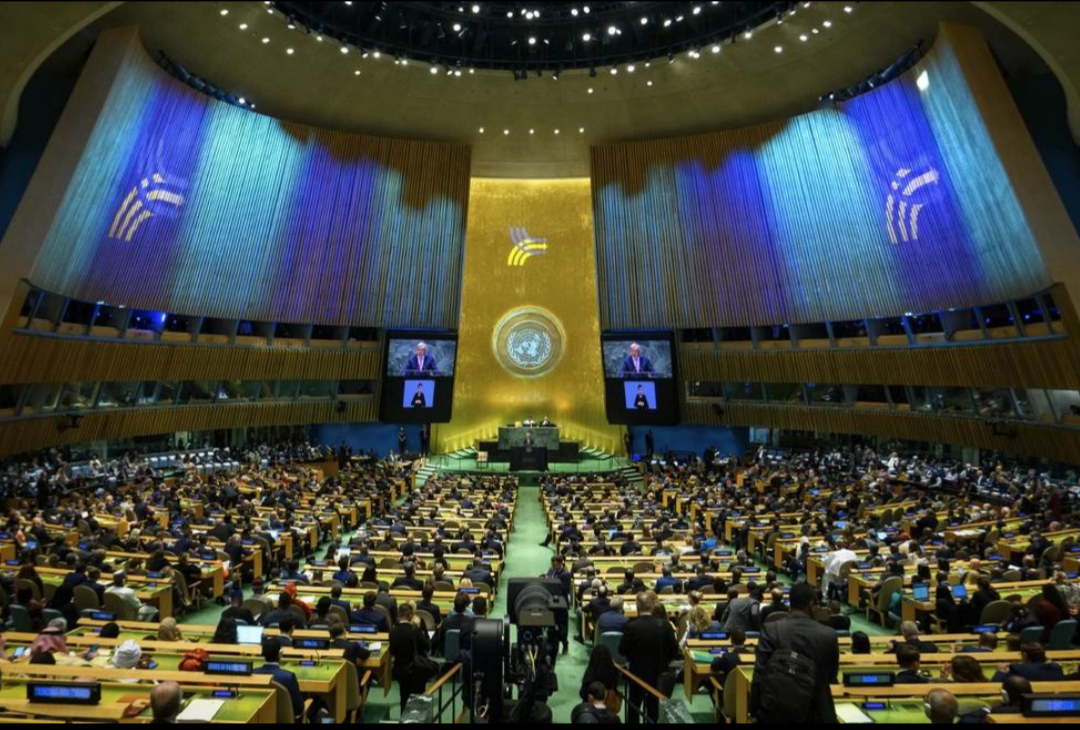
Rijiju responded by questioning the opposition’s commitment to parliamentary discussions. Earlier, he had shared a video from Parliament showing opposition members walking out during his speech.
The Parliamentary Affairs Minister argued that Parliament should remain a place for meaningful debates and discussions rather than political confrontations.
Mallikarjun Kharge Responds to the Political Remarks
Congress president Mallikarjun Kharge also entered the exchange, questioning the Prime Minister over allegations of vote theft and demanding answers to the concerns raised by the opposition.
Kharge criticised the BJP leadership’s response to Rahul Gandhi’s challenge and maintained that the questions surrounding electoral transparency required attention.
Rijiju subsequently responded to Kharge’s remarks, defending his use of the term “Dimaagi Naxal” and explaining the categories of political positions he associated with it.
These exchanges reflect the continuing disagreement between the two parties over electoral accountability, parliamentary conduct and political rhetoric.
Internal Democracy Becomes Part of the Political Debate
One notable aspect of Rijiju’s seven-point statement was his criticism of dynastic politics and his call for the Congress to operate as a more democratic organisation.
He argued that the party should strengthen its internal decision-making processes and move away from family-based political leadership.
The Congress has not been the only political organisation facing discussions about internal democracy and leadership structures. However, Rijiju’s comments have brought the issue back into the latest BJP-Congress confrontation.
Political Differences Continue Over Parliamentary Accountability
The latest exchange between BJP and Congress leaders highlights the growing disagreement over the role of Parliament, political accountability and the conduct of opposition parties.
While Rijiju has focused on Rahul Gandhi’s political approach and the Congress party’s internal functioning, Gandhi and Kharge have continued to raise questions about the government and electoral transparency.
With both sides maintaining their positions, parliamentary debates and public statements are likely to remain important parts of the political discussion in the coming days.