







India has reiterated its strong commitment to eliminating hepatitis B and hepatitis C as public health threats by 2030. The country’s strategy focuses on a comprehensive, people-centred approach covering prevention, screening, diagnosis, treatment and continuing care.
Union Health Secretary Punya Salila Srivastava highlighted these efforts at a United Nations General Assembly side event titled “Advancing Global Action to Eliminate Hepatitis.” She reaffirmed India’s alignment with the 2030 Sustainable Development Goals and the global target of eliminating viral hepatitis as a public health threat.
Launched in 2018 under the National Health Mission, the NVHCP forms the backbone of India’s response.
Key achievements reported include:Screening of over 21 crore (more than 210 million) beneficiaries, with recent figures reaching nearly 225 million.
Free treatment provided to more than 6 lakh patients.
Establishment of 1,153 treatment centres, including specialised facilities for advanced care.
Screening of over 7.64 crore pregnant women for hepatitis B.Hepatitis B birth-dose coverage exceeding 92%.
India is among the few countries offering free-of-cost treatment for hepatitis C and management of hepatitis B. Medicine costs have been reduced significantly, and quality diagnostics are being made more accessible.
Prevention: Universal Hepatitis B vaccination under the Universal Immunisation Programme, safe blood transfusion practices, and infection control in healthcare settings.
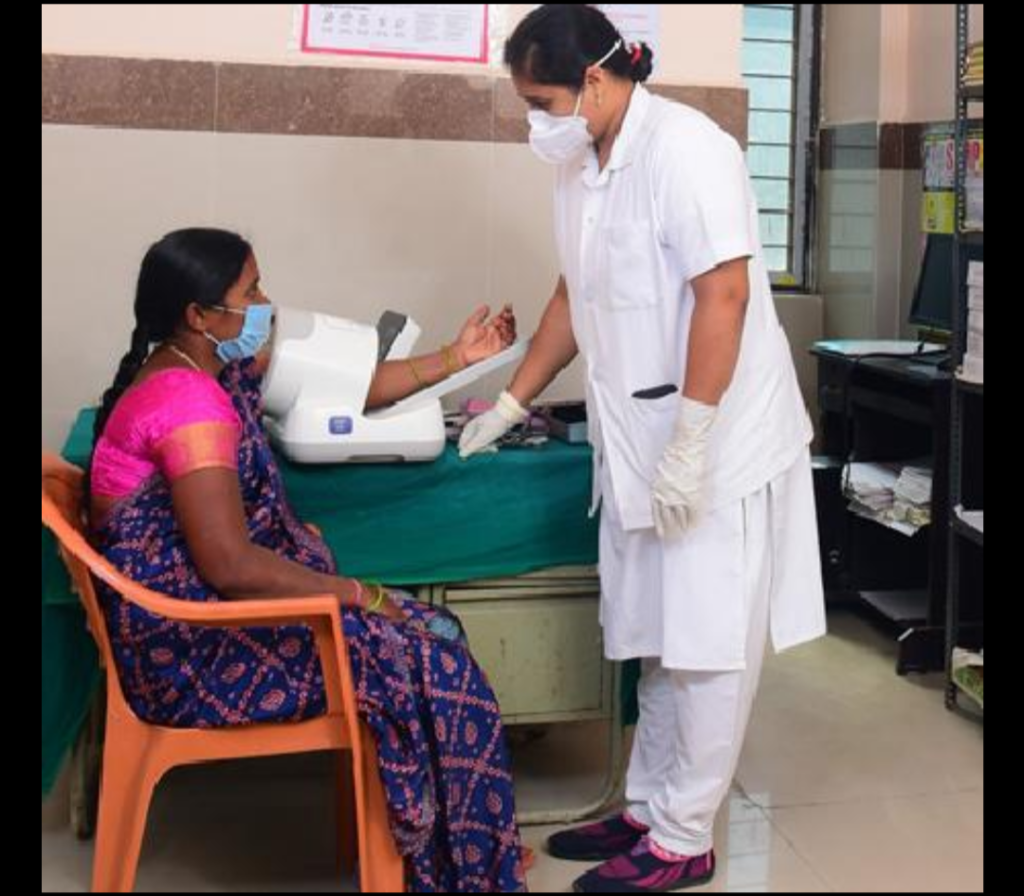
Screening and Diagnosis: Expanded testing at primary healthcare facilities, including Ayushman Arogya Mandirs, and antenatal screening of pregnant women.
Treatment and Care: Free antiviral medicines, counselling, and support for people who inject drugs.
Awareness: Stronger campaigns to educate the public on transmission, testing and treatment.
Union Minister of State for Health Anupriya Patel has called for a “Hepatitis-Mukt Bharat” and urged collective action by the Centre, states and stakeholders to accelerate progress.
The scale of India’s hepatitis burden remains significant, with millions living with chronic infections. Sustained focus on early detection, vaccination, and free treatment is seen as critical to meeting the 2030 elimination target.
India continues to emphasise global cooperation, equitable access to services and stronger health systems as essential to achieving this ambitious public health goal.