






What if chocolate-like treats could be made without cocoa? A food innovation lab in Copenhagen is exploring exactly that idea by turning ingredients that would otherwise be discarded into new and surprisingly familiar foods.
The lab, called Spora, brings chefs and scientists together to experiment with sustainable ingredients and alternative food products. Its work has recently attracted attention after food creators Anders Husa and Kaitlin Orr shared a glimpse of their visit.
Chocolate Without Cocoa
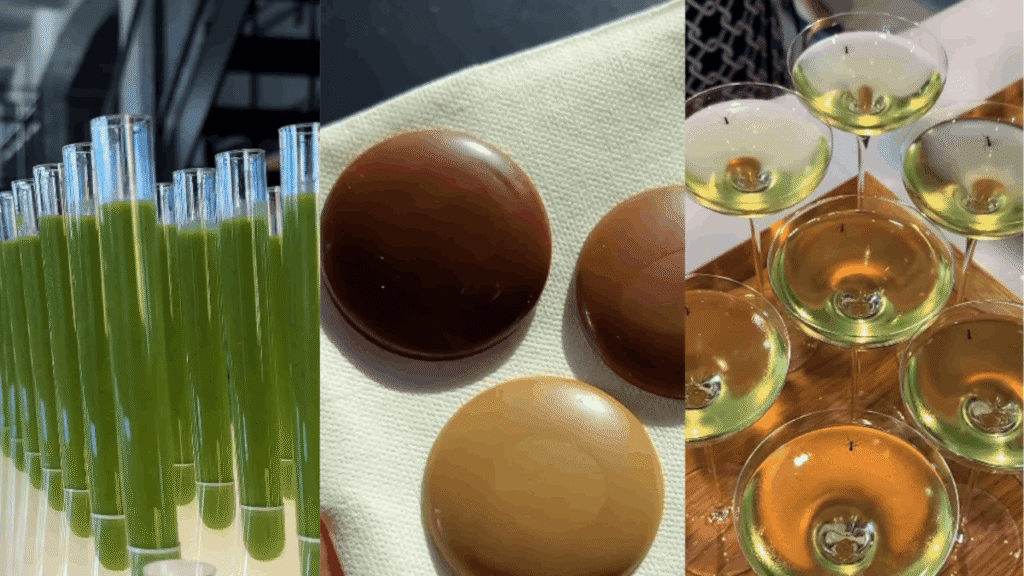
One of Spora’s most unusual creations is a cocoa-free chocolate alternative. Instead of traditional cocoa, the product uses spent grain left over from beer production, along with other ingredients.
The spent grain is processed using techniques inspired by conventional chocolate production, helping create the texture, aroma and flavour associated with chocolate. Spora says its product is designed to offer the familiar “snap” and richness of chocolate without using cacao.
From Food Waste To New Ingredients
Spora’s larger goal goes beyond creating a chocolate substitute. The Copenhagen lab focuses on upcycling food-industry side streams and developing new protein sources.
Its researchers are exploring how materials left behind during food and beverage production can be transformed into useful ingredients rather than being treated as waste.
A New Direction For Sustainable Food
The experiment reflects a growing interest in upcycled food, where surplus ingredients and production by-products are given a second life. The movement is gaining attention as food companies look for ways to reduce waste and make food production more resource-efficient.
Spora’s experiments show how sustainability and food innovation can come together without necessarily giving up familiar eating experiences.
Could Cocoa-Free Chocolate Become Mainstream?
Cocoa-free alternatives are still an emerging category, but the growing interest suggests that consumers may soon see more unconventional ingredients entering familiar foods.
For now, Copenhagen’s experiments offer an intriguing glimpse at what the food of the future could look and taste like.