







Fitness Is Entering a More Personalised Era
The way people exercise is changing. Fitness is no longer limited to traditional gym workouts or following the same routine every week. New technology, personalised approaches and a greater focus on overall wellbeing are influencing how people train in 2026.
Here are five trends that could shape the future of fitness.
AI Is Becoming Part of the Workout Experience
Artificial intelligence is finding a growing role in fitness. AI-based tools can help users organise workouts, monitor progress and receive more personalised suggestions.
Instead of following a completely fixed programme, technology can increasingly help people adapt their training according to their goals and progress.
Neuro-Fitness Puts Greater Attention on the Brain
Fitness is increasingly looking beyond muscles and physical performance. Neuro-fitness focuses on the connection between movement, concentration, coordination and mental performance.
Exercises that challenge balance, reaction time and coordination can add a cognitive element to physical training, making workouts more varied and engaging.
Personalised Training Is Gaining Momentum
A one-size-fits-all workout may not work equally well for everyone. Fitness programmes are becoming more individualised, taking factors such as experience, goals, recovery and lifestyle into account.
This shift could make training more practical and sustainable for people with different needs and fitness levels.
Recovery Is Becoming Part of the Training Plan
Rest is increasingly being viewed as an important part of fitness rather than simply time away from exercise.
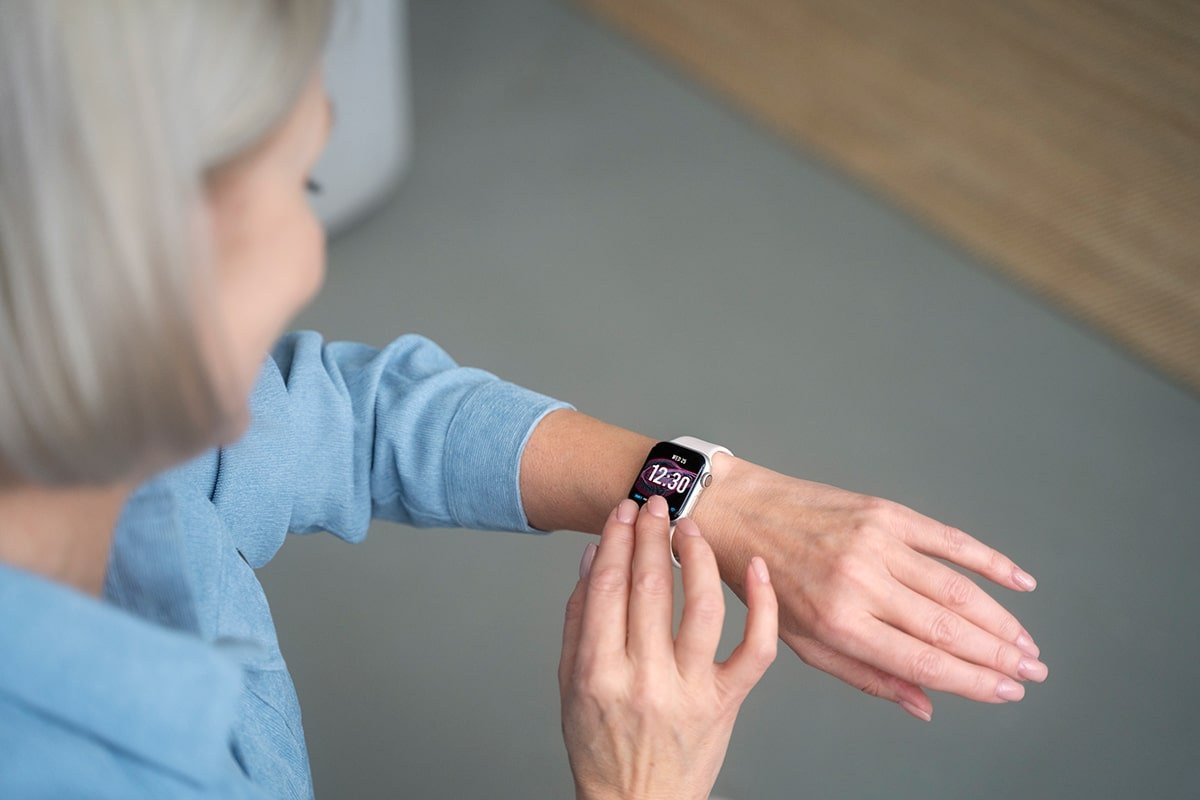
People are paying more attention to sleep, recovery and how their bodies respond to training. Wearable devices and other technologies are also helping users track aspects of their activity and recovery.
Fitness Is Moving Towards Long-Term Wellbeing
Another important change is the growing focus on staying active and healthy over the long term. Rather than concentrating only on short-term performance, modern fitness trends increasingly connect exercise with mobility, healthy ageing and overall quality of life.
This approach makes fitness less about a temporary goal and more about building sustainable habits.
The Future of Fitness Is More Connected
From AI-assisted training to brain-focused exercise and personalised programmes, the fitness industry is becoming increasingly connected with technology and broader wellbeing.
As these trends continue to develop, the future of exercise could become more personalised, data-informed and focused on keeping people active for the long run.