







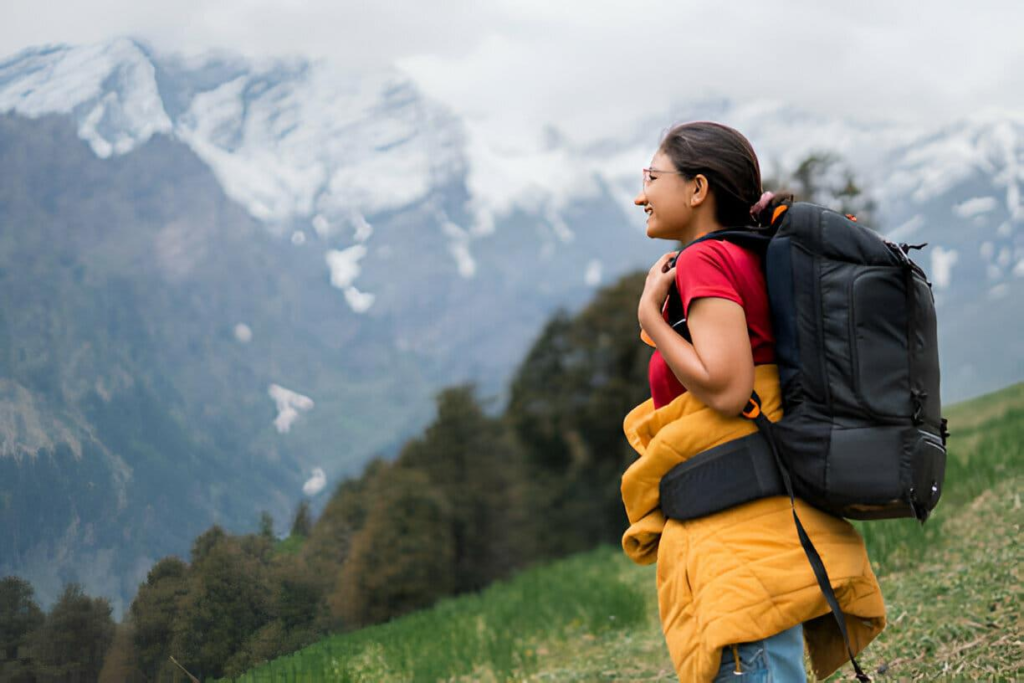
There is something different about travelling alone.
You decide where to go, what to eat, when to wake up and whether a planned sightseeing day should become an afternoon spent sitting in a café. There is no group itinerary to follow and no one else to wait for.
But the freedom of solo travel also comes with responsibility. When you are the only person making decisions, preparation becomes just as important as spontaneity.
For Indian travellers considering their first solo trip in 2026, the best approach isn’t to plan every minute or worry about every possible problem. It is to build a reliable safety net and then give yourself enough freedom to actually enjoy the journey.
Here are 12 things worth doing before and during your first solo adventure.
1. Start Smaller Than Your Dream Trip
Your first solo journey doesn’t have to be a month-long international adventure.
If the idea of travelling alone feels intimidating, start with a day trip in your own city. Visit a museum, explore a neighbourhood, have lunch alone or spend a day discovering somewhere you normally pass without noticing.
Then try a nearby town or a short domestic trip.
This gradual approach lets you learn how comfortable you are with navigating unfamiliar places, making decisions and handling unexpected situations before committing to a much bigger journey.
2. Research the Destination—Not Just the Attractions
Looking up beautiful places is the easy part.
Before you travel, research how the destination actually works.
Find out:
- How you will get from the airport or station to your accommodation
- Which neighbourhoods are convenient for visitors
- How public transport works
- Whether taxis or ride-hailing services are widely available
- What payment methods are accepted
- What the local weather will be like
- Whether there are cultural or clothing expectations
- What emergency services are available
- Whether mobile connectivity is reliable
A destination can look perfect online but feel completely different when you arrive. Understanding the practical side beforehand can make your first few hours much easier.
3. Book Your First Night in Advance
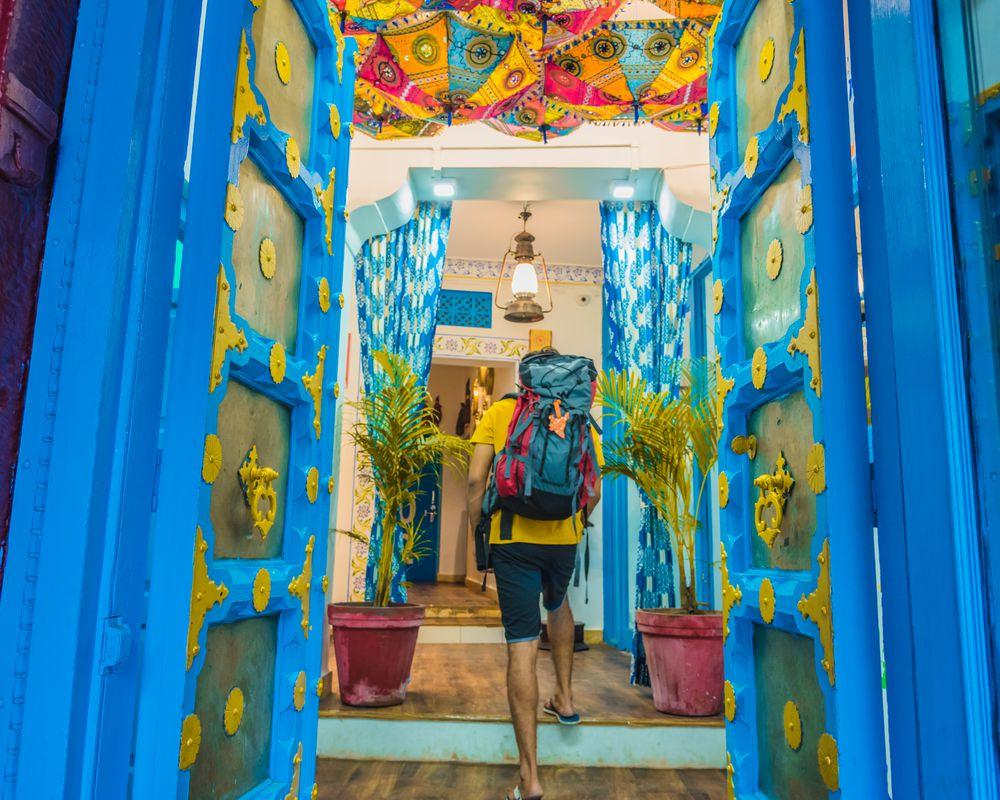
Spontaneity sounds exciting until you arrive in an unfamiliar city after a long journey with nowhere to stay.
For a first solo trip, booking at least your initial accommodation in advance is a sensible compromise between planning and freedom.
Choose somewhere with good recent reviews, clear check-in instructions and convenient access to transport.
If possible, arrange your arrival during daylight hours. Getting familiar with a new place is generally easier when you can see the surroundings and services are operating normally.
4. Tell Someone at Home Where You Are
Solo doesn’t have to mean completely disconnected.
Share your basic itinerary with a trusted family member or friend. Include your transport details, accommodation and the main places you expect to visit.
You don’t need to send constant updates. A simple message when you arrive at a destination or return to your accommodation can provide reassurance without turning your trip into a reporting exercise.
For longer journeys, update your contact if your plans change significantly.
5. Keep Your Phone Working—But Don’t Depend on It Completely
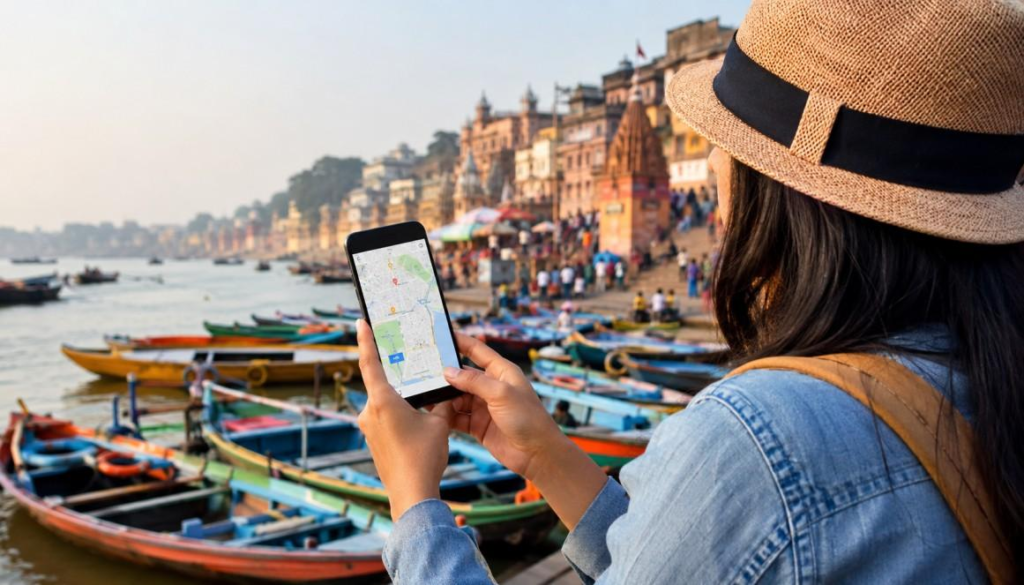
Your phone may become your map, translator, boarding pass, booking manager and emergency communication device all at once.
That makes connectivity especially important when travelling alone.
Before departure:
- Arrange an appropriate SIM, eSIM or roaming plan
- Download offline maps
- Save important addresses
- Keep booking confirmations available offline
- Charge your phone before leaving each day
- Carry a power bank
- Keep important phone numbers somewhere other than your phone
The idea isn’t to prepare for disaster. It’s simply to make sure a dead battery or weak signal doesn’t turn a minor problem into a major one.
6. Create a Money Backup
Never make your entire trip dependent on one card or one payment method.
Keep your main payment method separate from a backup card and carry a reasonable amount of emergency cash.
For international travel, check whether your cards work in the destination and understand potential foreign transaction or ATM fees.
You can also divide important items between different bags or secure locations rather than putting everything—cards, cash, passport and phone—in one place.
That way, losing one item doesn’t automatically mean losing access to everything.
7. Don’t Broadcast Your Location in Real Time
Sharing travel photographs can be part of the fun, but there is rarely a reason to announce exactly where you are while you are still there.
Consider posting some photos after leaving a location rather than revealing your live whereabouts to everyone online.
This is particularly useful when travelling alone because there is no companion with you who can act as an additional layer of support.
Enjoy the moment first. Post later.
8. Trust Your Instincts—And Give Yourself Permission to Leave
One of the most valuable solo-travel skills is recognising when something doesn’t feel right.
You don’t need to prove that a person or situation is dangerous before leaving.
If a taxi driver makes you uncomfortable, choose another option.
If an area feels deserted, return to a busier street.
If an invitation feels strange, decline it.
If a plan that sounded exciting earlier suddenly feels wrong, change it.
Being polite is not more important than being comfortable and safe.
9. You Don’t Have to Do Everything Alone
Solo travel doesn’t mean refusing help or avoiding other people.
A walking tour, cooking class, guided excursion or group activity can be a good way to explore something that you might not want to tackle alone.
It also creates opportunities to meet other travellers.
Hostels, guesthouses, community spaces, local events and organised activities can make socialising easier without requiring you to spend your entire holiday with strangers.
You can have your own trip and still share parts of it with people you meet along the way.
10. Talk to Locals—But Keep Healthy Boundaries
Some of the most memorable parts of a solo trip can come from conversations rather than sightseeing.
A restaurant recommendation from a local, a conversation with a shopkeeper or a short chat with another traveller can introduce you to parts of a destination that aren’t obvious from guidebooks.
But curiosity should not mean abandoning caution.
You don’t have to reveal your accommodation, travel plans, personal information or the fact that you are completely alone to everyone you meet.
Be friendly without giving away more information than necessary.
11. Leave Empty Space in Your Itinerary

One of the biggest advantages of travelling alone is that nobody is waiting for you to finish breakfast so the group can leave.
Use that freedom.
Don’t schedule every hour.
Leave an afternoon open. Sit somewhere interesting. Take a slower route. Return to a place you enjoyed. Or simply do nothing.
The personal-growth side of solo travel often comes from these unscripted moments. The experience can push you to make decisions independently, adapt when plans change and become more comfortable with your own company.
Travel isn’t always about collecting as many attractions as possible.
Sometimes the most valuable part is discovering how you behave when nobody else is making the decisions for you.
12. Keep a Small Travel Journal
You don’t need to write pages every night.
Just record a few things:
What surprised me today?
What did I handle on my own?
Who did I meet?
What would I do differently tomorrow?
What did I enjoy when nobody else was choosing for me?
Looking back at these notes can reveal something that photographs often don’t: how much your confidence has changed during the journey.
That is one of the quieter rewards of solo travel.