








India’s coastline is far bigger than the famous beaches most travellers know. Beyond Goa’s popular shores, Kerala’s iconic Varkala and Kovalam, and the busy beaches of Mumbai and Chennai, there are quieter stretches where fishing villages, rocky cliffs, river mouths and untouched sands create a very different seaside experience.
For travellers looking to escape crowded tourist hotspots, these 10 lesser-known beaches across India offer something more unusual—from black sand and river-sea confluences to turtle nesting grounds and secluded fishing hamlets.
1. Tilmati Beach, Karnataka — A Rare Black-Sand Shore
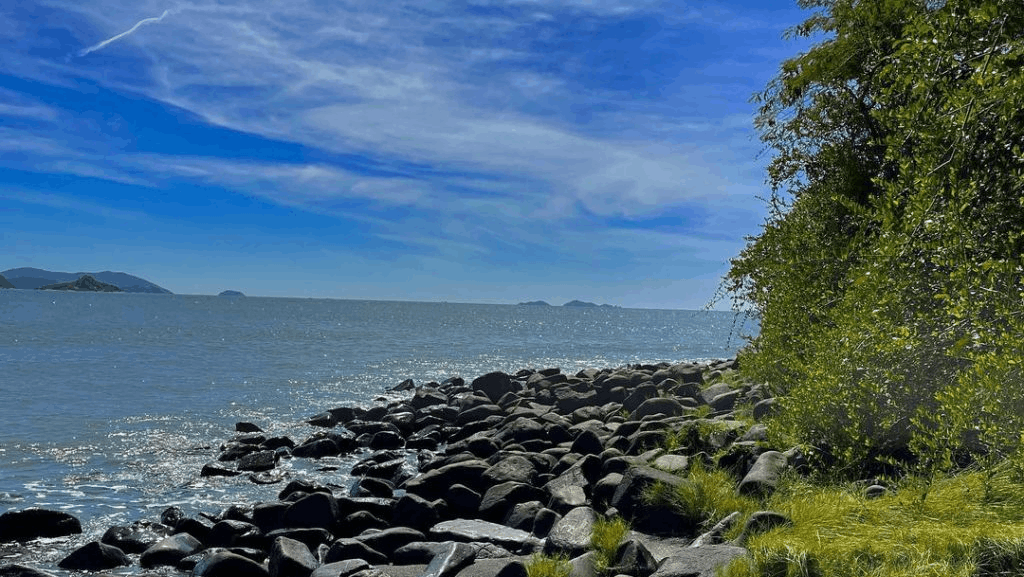
The distinctive black sands of Tilmati Beach on Karnataka’s Arabian Sea coast.
On the Karnataka coast near Karwar, Tilmati Beach immediately stands out because of its dark sand. The beach’s name is associated with the appearance of black sesame seeds, while the dark colour is linked to the surrounding basaltic rock.
The roughly 150-metre shoreline is considerably quieter than many better-known beaches in the region. Reaching it involves a short trek from the Majali side, which is part of what keeps the beach away from heavy tourist traffic.
Sunrise and sunset are particularly attractive here, with the dark shoreline creating a striking contrast against the Arabian Sea.
Best for: Black-sand landscapes, photography and quiet coastal walks
Where: Uttara Kannada district, Karnataka
Getting there: Karwar is the nearest major town; the beach can be approached from Majali.
2. Yarada Beach, Andhra Pradesh — A Beach Hidden Behind Hills
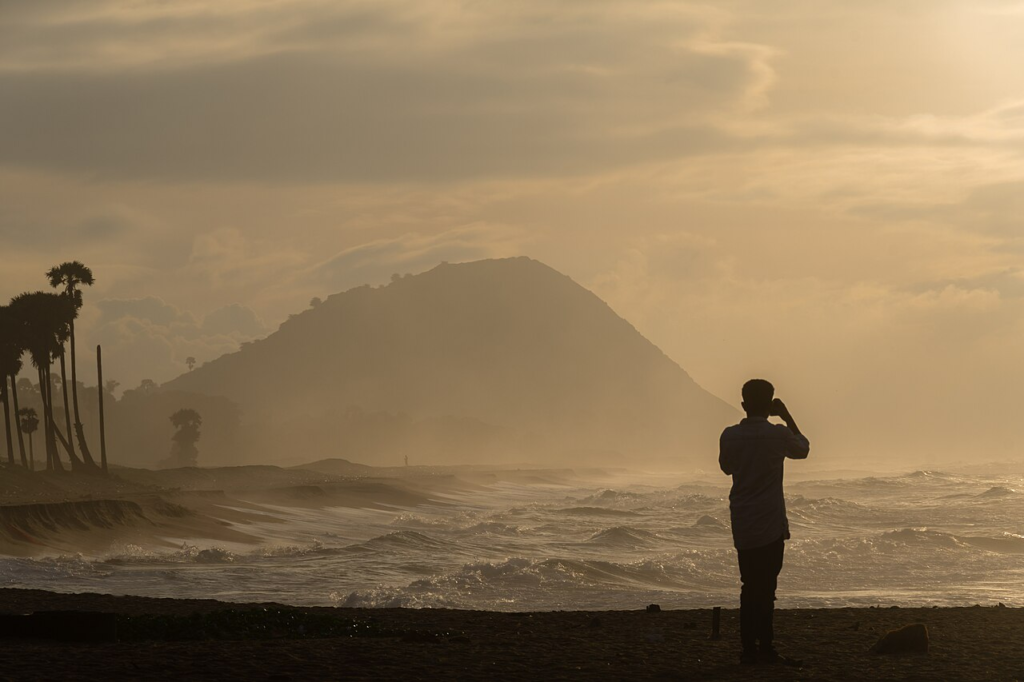
Yarada Beach is framed by hills and greenery near Visakhapatnam.
Just outside Visakhapatnam, Yarada Beach offers a dramatically different landscape from the city’s busier coastal areas. Hills surround much of the Yarada Valley, creating a natural setting where golden sand meets the Bay of Bengal.
The Visakhapatnam district administration describes the beach as being surrounded by hills on three sides, with rocks, soft pebbles, golden sand and greenery adding to the scenery.
It is an excellent choice for travellers who want a beach experience without the urban atmosphere of a major city beach.
Best for: Scenic views, photography and peaceful seaside time
Where: Visakhapatnam district, Andhra Pradesh
Getting there: Yarada is accessible by road from Visakhapatnam.
3. Kodi Beach, Karnataka — Where a River Meets the Sea
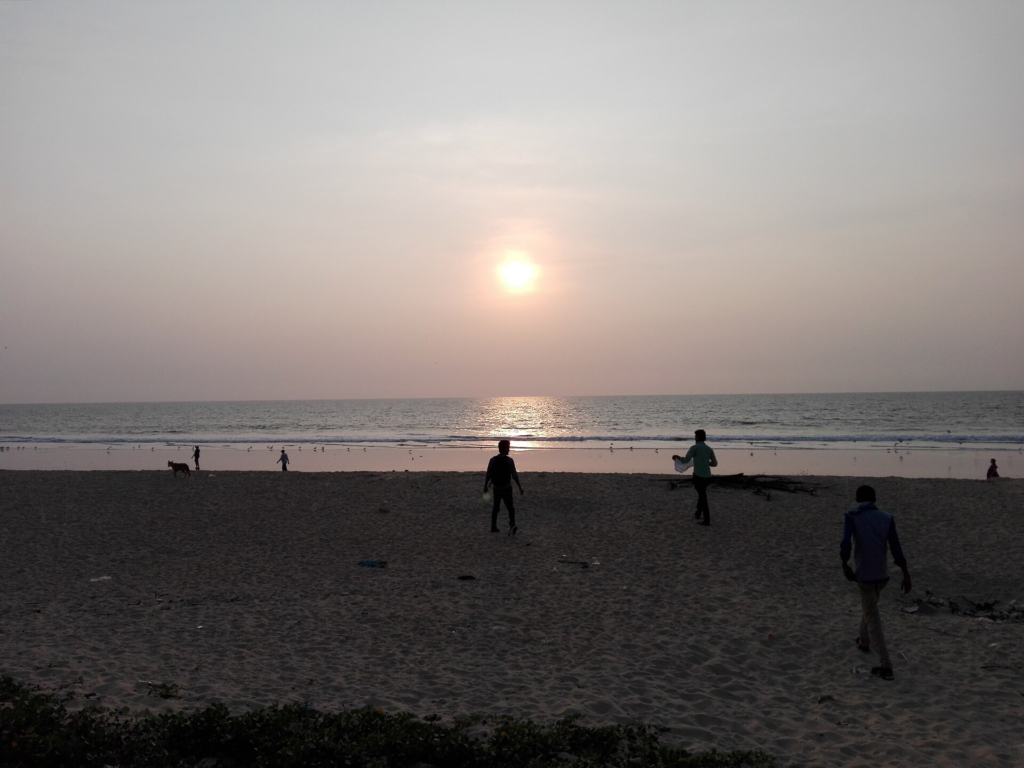
unset at Kodi Beach on Karnataka’s scenic Udupi coast.
At Kodi Beach near Kundapura, the Arabian Sea and the Suvarna River create one of coastal Karnataka’s most interesting landscapes.
A narrow strip of land separates the river backwaters from the open sea, producing a setting where visitors can see two very different water environments almost side by side. Mangroves, small islands and fishing communities add to the character of the area.
The surrounding backwaters also make Kodi interesting for birdwatching and gentle boating.
Best for: Estuary views, nature and coastal photography
Where: Near Kundapura, Udupi district, Karnataka
Getting there: Kundapura is the nearest major town.
4. Thanni Beach, Kerala — Where Lake and Sea Come Together
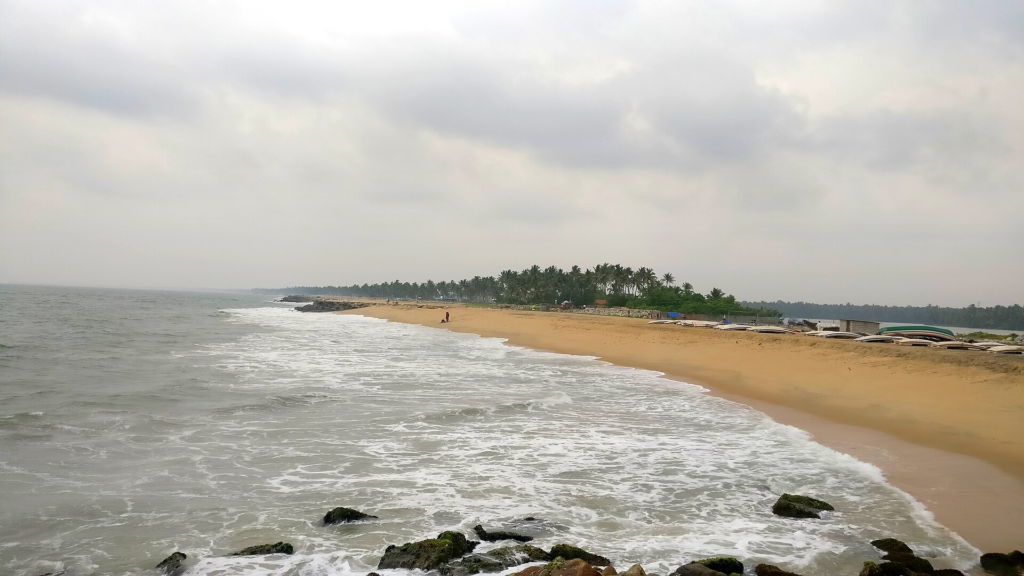
Thanni Beach stretches along Kerala’s quieter coastline near Pozhikara.
Thanni Beach in Kollam is the kind of destination that can easily be missed while travelling through Kerala.
Its biggest attraction is not simply the beach itself. Near Pozhikkara, the landscape brings together the Arabian Sea and the Paravur Lake, with a narrow strip of land separating the two.
The area also has fishing hamlets, coconut trees and breakwaters, giving visitors an opportunity to experience a quieter side of Kerala’s coast.
Kerala Tourism describes Thanni as a secluded destination and notes that fishermen return with fresh catches in the early morning.
Best for: Backwaters, fishing culture and peaceful mornings
Where: Kollam district, Kerala
Getting there: About 10 km from Kollam Junction railway station.
5. Kizhunna Beach, Kerala — A Quiet Fishing-Hamlet Escape
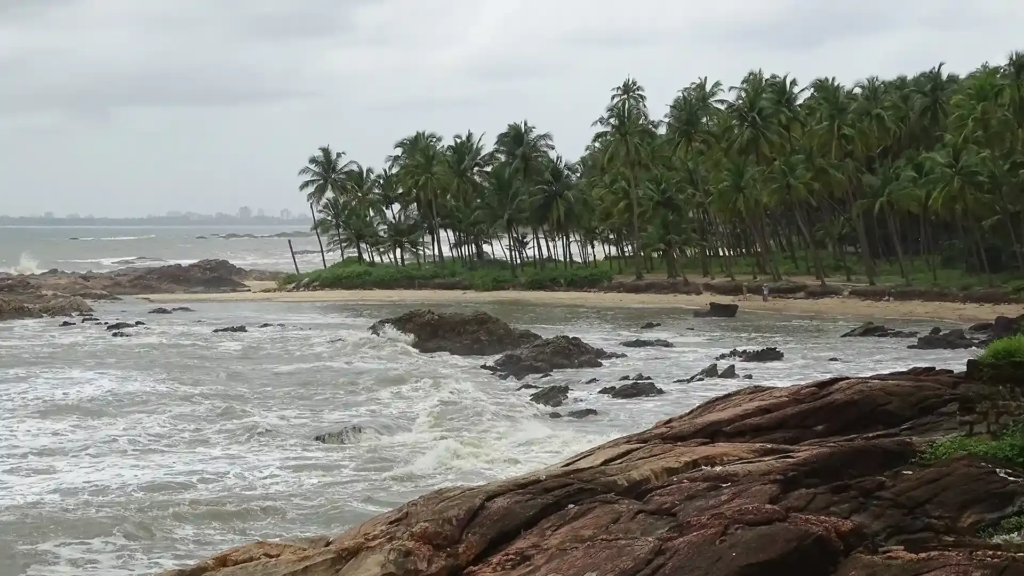
Golden sands and rocky surroundings give Kizhunna Beach its quiet coastal character.
Away from Kannur’s more recognisable attractions lies Kizhunna Beach, a secluded stretch bordered by rocky formations and coconut palms.
The beach is particularly appealing because it has retained a relatively low-key character. Kerala Tourism describes Kizhunna as a lesser-known beach with golden sand and a tranquil atmosphere.
The neighbouring Ezhara Beach forms part of the same peaceful coastal landscape, while the rocky formations provide a natural frame around the shoreline.
Visitors can spend time walking, relaxing, watching fishing activity or exploring the surrounding coastline.
Best for: Solitude, coastal walks and photography
Where: Kannur district, Kerala
Getting there: Around 11 km from Kannur railway station and about 26 km from Kannur International Airport.
6. Perumathura Beach, Kerala — Walk Towards the Arabian Sea
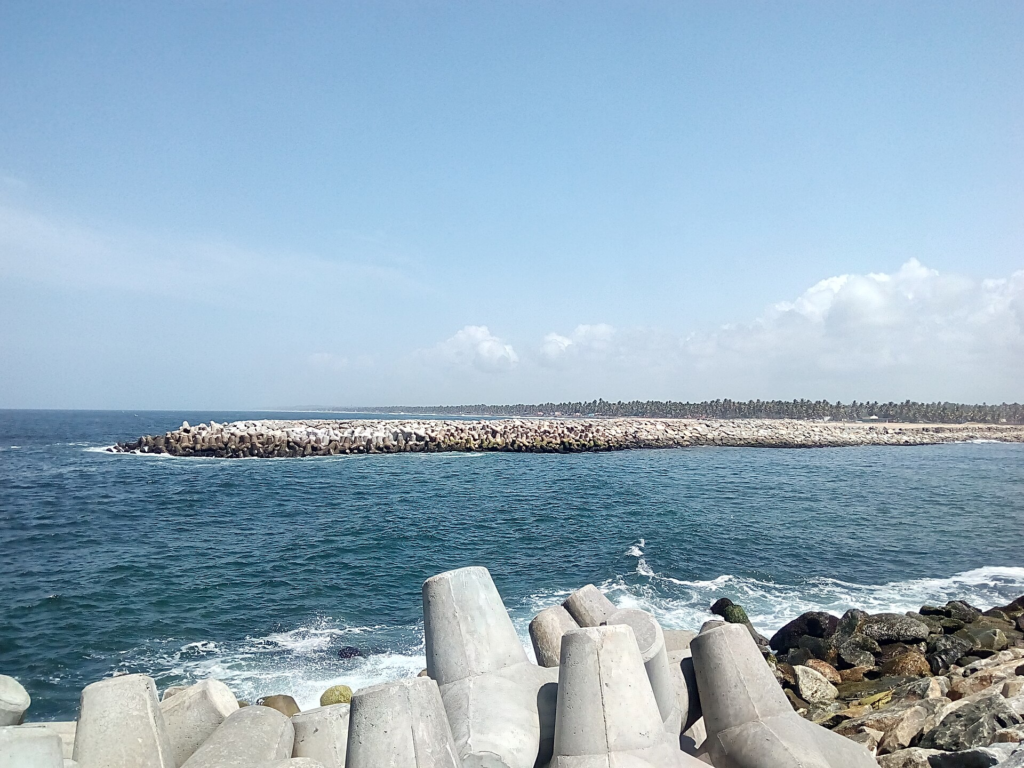
Perumathura’s sandy coastline offers a quieter view of Kerala’s Arabian Sea shore.
Perumathura Beach, on the outskirts of Thiruvananthapuram, offers a combination that is unusual even along Kerala’s scenic coastline.
Golden sand, coconut groves and long stretches of relatively quiet shoreline surround the beach. But the real attraction is Muthalapozhi, where the Vamanapuram River meets the Arabian Sea.
The beach also has groynes extending towards the sea and a bridge that provides elevated views across the coastline.
It is a destination for travellers who would rather watch the landscape change than spend the day at a busy commercial beach.
Best for: Sunset walks, river-sea views and quiet escapes
Where: Thiruvananthapuram district, Kerala
Getting there: Accessible from Thiruvananthapuram by road.
7. Veliyamkode Beach, Kerala — A Slower Side of the Malabar Coast
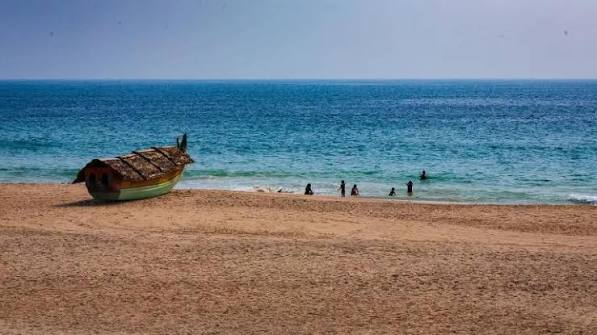
Veliyamkode Beach offers a peaceful stretch of Kerala’s Malabar coastline.
On Kerala’s Malappuram coast, Veliyamkode Beach offers a much quieter alternative to the state’s heavily visited seaside destinations.
The curved shoreline is lined with coconut palms, while golden sand and relatively gentle waves create an easy-going setting for long walks and relaxed afternoons.
What makes Veliyamkode particularly interesting is its connection with everyday coastal life. Rather than feeling like a highly developed resort destination, the beach retains the atmosphere of a traditional seaside community.
Best for: Quiet walks, local coastal scenery and photography
Where: Malappuram district, Kerala
Getting there: Accessible by road from the towns of Malappuram district.
8. Aare Ware Beach, Maharashtra — A Quiet Konkan Road Trip Stop
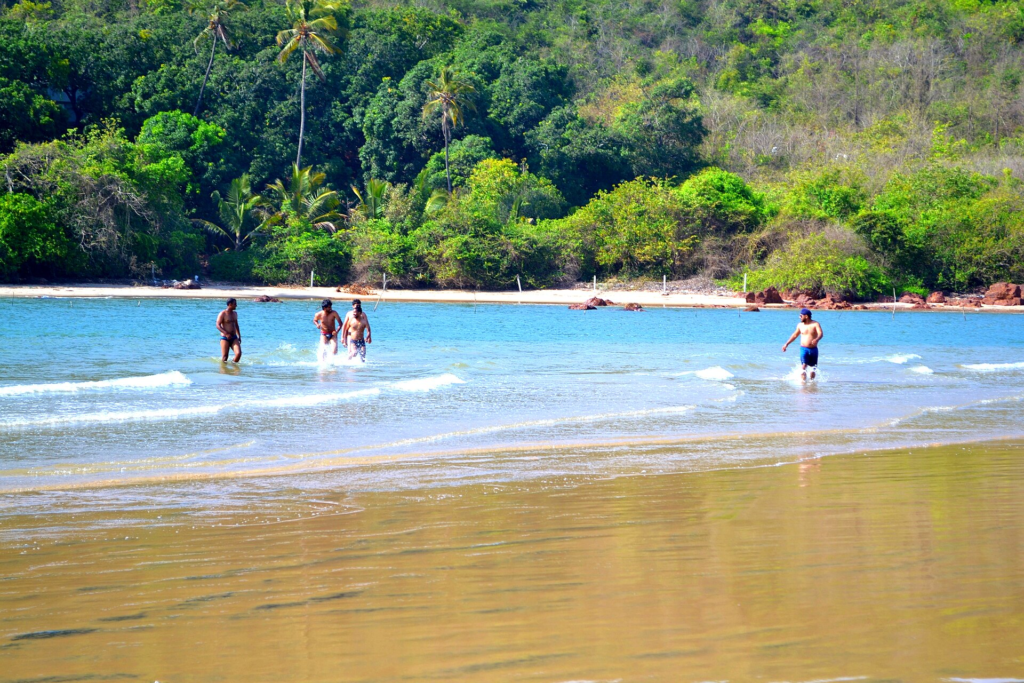
Blue waters meet lush greenery along Maharashtra’s Aare Ware coast.
The Konkan coast is full of beaches, but many travellers pass through Maharashtra without discovering Aare Ware.
Located in Ratnagiri district near the better-known Ganpatipule area, Aare Ware combines green hills, coconut trees and the Arabian Sea. Maharashtra Tourism describes it as a lesser-known beach and highlights its tranquil surroundings and scenic coastal road.
Its location makes it especially attractive for road-trippers who want to combine a beach stop with a Konkan drive.
Best for: Road trips, coastal viewpoints and scenic photography
Where: Ratnagiri district, Maharashtra
Getting there: Located a short distance from Ganpatipule and accessible by road.
9. Galgibaga Beach, Goa — The Quieter Side of Goa
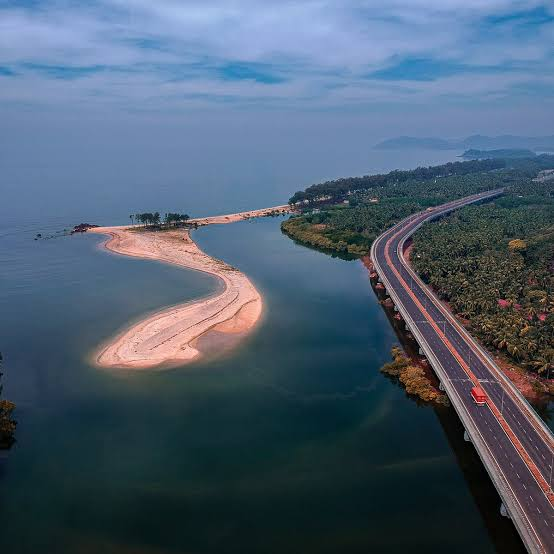
Goa may be one of India’s most famous beach destinations, but Galgibaga Beach shows that the state still has quieter corners.
Located in South Goa, the beach is known for its relatively peaceful atmosphere and its importance as an Olive Ridley turtle nesting site. The northern section is protected as a turtle nesting area.
Unlike Goa’s more commercialised beaches, Galgibaga has far fewer beach shacks, making it better suited to travellers looking for a calmer coastal experience.
However, visitors should remember that the sea can have strong currents, and swimming conditions are not always safe.
Best for: Nature, turtle conservation and peaceful beach walks
Where: South Goa
Best season: October to March generally offers more pleasant conditions; turtle nesting activity should be observed only according to local conservation guidelines.
10. Velas Beach, Maharashtra — A Beach Where Turtles Take Centre Stage
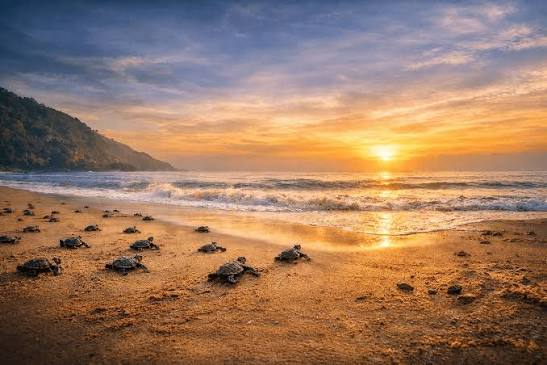
Velas Beach is not completely unknown, but it remains far less mainstream than Maharashtra’s major urban beaches.
Its biggest attraction is its role in the conservation of Olive Ridley sea turtles. Every year, turtles arrive along this stretch of the Konkan coast to lay their eggs, while hatchlings later make their way towards the sea.
The village is also associated with a turtle festival that brings together local communities, conservationists and nature enthusiasts.
For travellers, Velas offers something more meaningful than simply sitting beside the sea: an opportunity to experience a coastal landscape through its wildlife and conservation story.
Best for: Wildlife, responsible tourism and nature experiences
Where: Ratnagiri district, Maharashtra
Best time: Turtle-related experiences are seasonal and should be planned according to local conservation and tourism updates.
Why These Beaches Are Worth Adding to Your Travel List
India’s lesser-known beaches are not necessarily places where you will find absolutely no other visitors. Instead, their appeal lies in what they lack—large crowds, rows of commercial establishments and the highly developed atmosphere found at some famous coastal destinations.
Some offer unusual geography, such as Kodi’s river-sea landscape and Thanni’s lake-and-sea setting. Others stand out because of nature, including Galgibaga and Velas. Then there are places such as Tilmati, where even the colour of the sand makes the experience different.
For travellers who want to see another side of India’s coastline, these quieter beaches can provide a slower and more distinctive journey.
Before You Go
“Lesser-known” does not mean risk-free or completely undeveloped. Facilities can be limited, particularly at smaller beaches. Check local weather and sea conditions before travelling, follow warnings about currents, and respect turtle nesting zones and other protected areas.
The best experience at these beaches is often a simple one: arrive early, explore responsibly, enjoy the landscape and leave the shoreline exactly as you found it.