







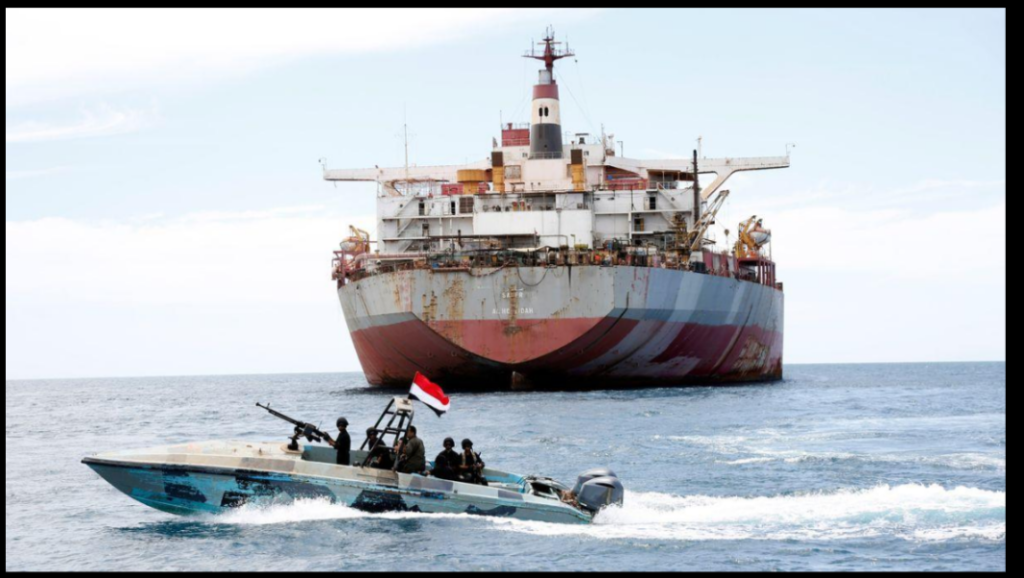
October 5, 2026 – Tensions across the Middle East remain a major global concern as the protracted conflict involving Iran continues to ripple through regional security and international energy markets. Iran-backed Houthi forces in Yemen have made significant territorial gains along the Red Sea coast, while Saudi Arabia and its allies are mobilizing for possible military action to counter the threat to critical shipping lanes.
Houthi Advances and Control of Key Chokepoints
In recent weeks, the Houthis seized the strategic port of Mokha and Perim Island in the Bab al-Mandab Strait, the narrow southern entrance to the Red Sea. This gives the Iran-aligned group greater influence over one of the world’s most important maritime routes for oil and commercial shipping. The advance disrupted the previous de facto ceasefire in Yemen and opened a new front linked to the wider U.S.-Iran confrontation that has constrained traffic through the Strait of Hormuz.
Houthi forces have also launched missile and drone attacks on Saudi targets, including sites linked to the state oil giant Aramco. These strikes have heightened fears for the security of energy infrastructure and Red Sea shipping.
Saudi Arabia has been preparing military options against the Houthis. Regional and Western officials report that Riyadh is planning an offensive, potentially involving large numbers of Yemeni ground forces under Saudi supervision, supported by Saudi air power. The goals include reversing Houthi gains along the Red Sea coast and securing the Bab al-Mandab shipping route.
On October 4, the Saudi-backed Yemeni government formally announced the start of major military operations to retake all Houthi-held territory. Yemeni President Rashad al-Alimi stated that forces would work to restore state authority across the country, with the Saudi-led coalition pledging full operational support.
The dual pressure on the Strait of Hormuz (from the Iran conflict) and the Bab al-Mandab Strait (from Houthi actions) has kept oil prices elevated and shipping costs high. Saudi Arabia had increasingly relied on Red Sea export routes after Hormuz traffic was restricted, but Houthi threats and attacks on pipelines have complicated these alternatives. Global energy markets remain volatile as traders monitor risks to oil and LNG flows.
Analysts note that the situation risks further escalation, potentially drawing in more regional actors and prolonging disruptions to international trade routes that carry a significant share of the world’s energy supplies.
Diplomatic efforts continue in parallel, but the combination of ongoing hostilities, territorial shifts in Yemen, and mutual threats has left the Middle East in a state of heightened instability with direct consequences for global security and economic stability.