






Stress has become part of everyday life—but experts say the answer isn’t trying to eliminate every stressful situation. The real skill is learning how to respond, recover and build resilience.
Your phone keeps buzzing. Work deadlines keep coming. Bills need to be paid. Plans change unexpectedly. News cycles rarely slow down.
For many people, stress doesn’t arrive as one dramatic event. Instead, it builds quietly through dozens of small pressures throughout the day.
The good news? You don’t necessarily need a complete lifestyle makeover to start handling stress differently.
Guidance from HelpGuide, Harvard Health and the American Psychological Association points toward a similar idea: stress may be unavoidable, but your response to it can be trained and strengthened.
Here are eight practical habits worth adding to your daily routine.
1. Stop Trying to Fix Everything at Once
When you’re overwhelmed, the instinct is often to attack your entire to-do list.
That can make things worse.
Instead, separate your problems into two categories:
What can I change?
What is outside my control?
If something can be changed, take one concrete step. If it cannot, constantly worrying about it may only consume more mental energy.
The APA recommends focusing attention on areas where you have influence while accepting situations that cannot immediately be changed.
2. Give Your Brain a Short Reset
You don’t always need an hour of meditation or a weekend away.
Sometimes a few minutes can create a useful pause.
When tension starts building, stop and take several slow breaths. Pay attention to what you can see, hear and physically feel around you.
HelpGuide recommends breathing, sensory awareness and calming movement as techniques that can provide quick stress relief.
The important part is creating a gap between feeling stressed and immediately reacting to it.
3. Watch Your “Small” Stress Triggers

Not every source of stress looks serious.
Constant notifications, an overloaded schedule, difficult conversations, excessive news consumption or repeatedly agreeing to things you don’t have time for can gradually add pressure.
Try tracking your stress for several days.
Write down:
- What triggered it?
- What were you thinking?
- How did your body feel?
- How did you react?
- What made you feel better?
Patterns may become easier to spot when they’re written down. HelpGuide recommends identifying stress triggers and observing your physical, emotional and behavioral responses.
4. Don’t Underestimate Your Social Circle

When stressed, many people withdraw.
But isolation isn’t always the answer.
A conversation with a trusted friend, family member or colleague can provide emotional support, another perspective or even practical assistance.
The APA identifies social support as an important resource for resilience, while Harvard Health also emphasizes staying socially connected as part of building the ability to cope with difficult periods.
You don’t always need someone to solve your problem.
Sometimes you simply need someone to hear you.
5. Change the Story Playing in Your Head
Stress can turn one problem into ten imagined disasters.
A small mistake becomes “I’ve ruined everything.”
An uncertain situation becomes “Something terrible is definitely going to happen.”
This kind of thinking can increase emotional pressure.
Try asking yourself:
Is this definitely true—or am I predicting the worst?
What part of this situation can I actually control?
What would be a more realistic way to look at it?
The APA highlights reframing thoughts and challenging worst-case thinking as useful approaches to handling stress.
6. Treat Sleep and Movement as Stress Tools
Stress management isn’t only about what happens inside your head.
Your everyday physical habits matter too.
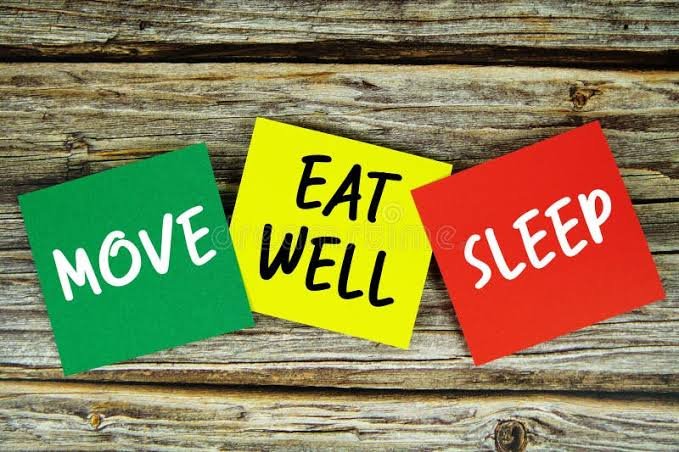
Regular physical activity, adequate sleep and healthy routines can help create a stronger foundation for coping with pressure. Harvard Health’s resilience guidance specifically highlights sleep, exercise, nutrition and social connection as lifestyle factors that support resilience.
You don’t need to turn your routine upside down.
A walk after work, a consistent bedtime or a short break away from your screen can be a realistic starting point.
7. Stop Filling Every Empty Minute
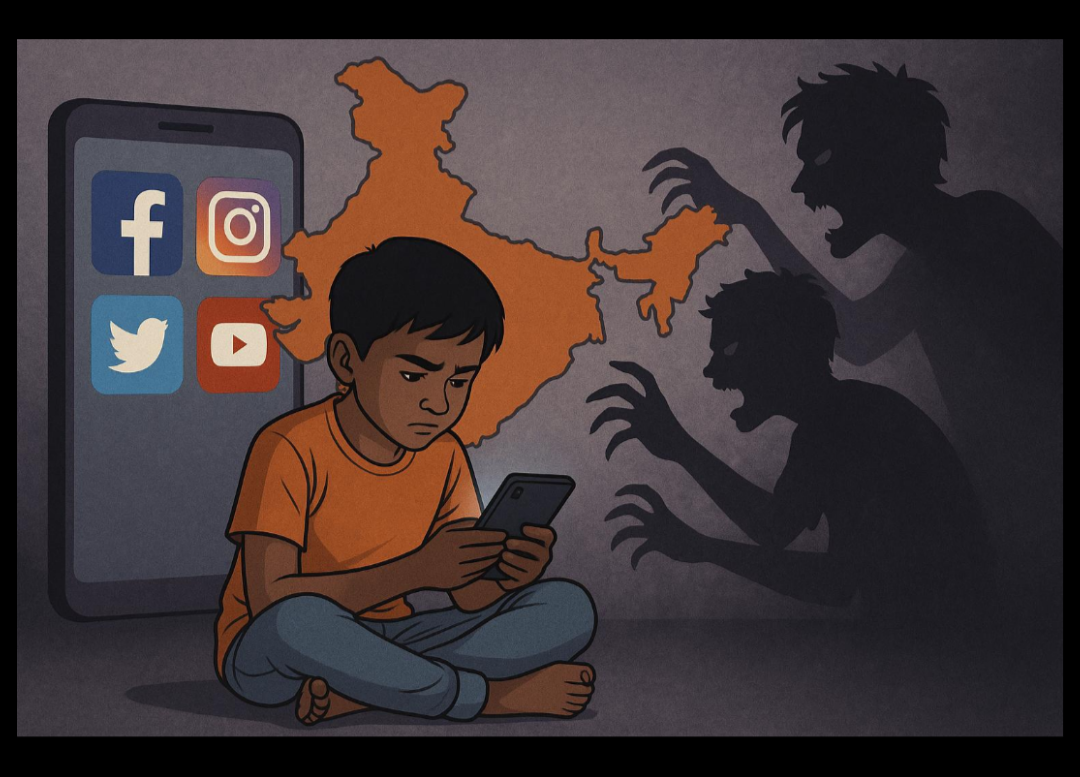
One modern habit deserves more attention: never actually switching off.
You finish work and check messages.
You eat while watching videos.
You lie in bed scrolling.
You wake up and immediately check the news.
Your body may be resting, but your brain is still processing information.
Creating small periods without work, notifications or constant information can give you space to recover.
The APA has also recommended taking breaks from constant news and devices as part of coping with prolonged stress.
8. Think of Resilience as a Skill, Not a Personality Type
Perhaps the biggest misconception about stress is that some people are simply “strong” while others aren’t.
Harvard Health and the APA describe resilience differently: it is something that can be developed through behaviors, thinking patterns, relationships and repeated practice.
That means resilience doesn’t require pretending that everything is fine.
A resilient person can still feel worried, disappointed, angry or exhausted.
The difference is what happens next.
They pause.
They adjust.
They seek support.
They find what they can control.
And they keep moving forward.
The 5-Minute Stress Reset You Can Try Today
If you’re feeling overwhelmed right now, don’t attempt to solve your entire life.
Try this instead:
Minute 1: Stop and breathe slowly.
Minute 2: Identify exactly what is stressing you.
Minute 3: Decide whether you can change it.
Minute 4: If yes, choose one small action. If no, consciously shift your attention elsewhere.
Minute 5: Do something calming—walk, stretch, listen to music, talk to someone or simply step away from the screen.
The objective isn’t to make every problem disappear.
It’s to regain enough mental space to deal with the next one.
When Stress Stops Feeling Manageable
Lifestyle changes can help with everyday stress, but they aren’t a replacement for professional care when stress becomes overwhelming.
If persistent stress is seriously affecting sleep, work, relationships or everyday functioning—or if your usual coping strategies aren’t helping—it may be time to speak with a qualified mental-health professional. The APA and HelpGuide both recommend seeking professional support when self-help isn’t enough.
The Bottom Line
Stress isn’t a sign that you’re failing at life.
It’s a normal response to difficult demands.
The bigger problem is allowing stress to become your everyday baseline.
You may not be able to control every deadline, bill, argument, uncertainty or unexpected event. But you can gradually build habits that make it easier to pause, respond and recover.
The goal isn’t a life without stress. It’s becoming better equipped for the life you already have.