






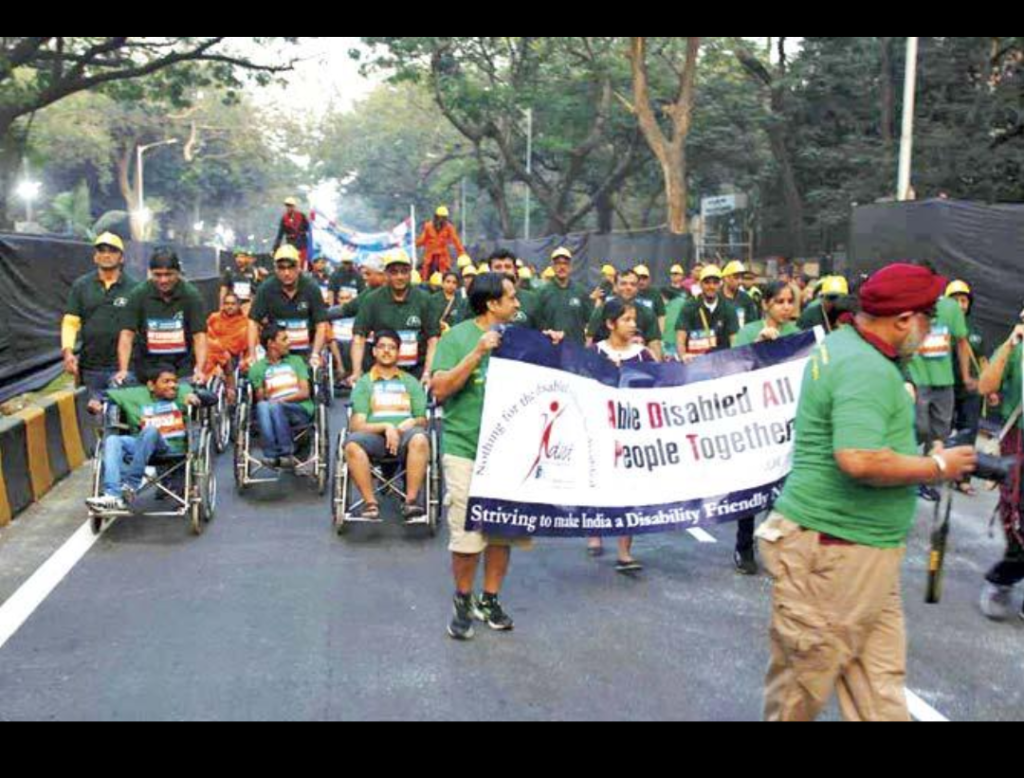
A new report has highlighted growing concerns over the prolonged delay in updating India’s National Policy for Persons with Disabilities. Ten years after the passage of the Rights of Persons with Disabilities (RPWD) Act, 2016, the country continues to rely on a policy framed in 2006.
According to a letter from the organisation Doctors with Disabilities: Agents of Change (DwDAoC) to the Ministry of Social Justice and Empowerment and the Department of Empowerment of Persons with Disabilities (DEPwD), the existing National Policy for Persons with Disabilities is now 20 years old and no longer aligned with current legal and international commitments.
Background of the Delay
The government had acknowledged the need for a revised policy. A task force submitted a draft on October 12, 2021. Stakeholder comments were invited in 2022, with a deadline of September 30, 2022.
Four years after the consultation process closed, no revised national policy has been notified. India continues to operate under the 2006 framework.
The department itself had noted significant developments since 2006, including:
India’s ratification of the UN Convention on the Rights of Persons with Disabilities (UNCRPD)
Enactment of the RPWD Act, 2016 (which replaced the 1995 law)
Adoption of the National Education Policy, 2020
Why the Delay Matters
DwDAoC stated that a contemporary national policy is essential to translate the rights guaranteed under the RPWD Act, 2016, and India’s UNCRPD commitments into a coordinated, measurable, and adequately resourced whole-of-government framework.
The organisation expressed particular concern about gaps in integrating disability policy across health, social protection, and other sectors. It also highlighted the need to move away from a medicalised approach toward a rights-based, functional, and accommodation-oriented model.
The group has sought clarity on the current status of the revised policy, reasons for the delay, whether a new draft has been prepared after consultations, further consultation mechanisms, and the expected timeline for notification.
Activists and experts continue to call for a modern and inclusive policy framework that better reflects the expanded definition of disability under the 2016 Act (covering 21 categories) and prioritises accessibility, inclusion, and equal participation.
The prolonged wait underscores the gap between progressive legislation and effective policy implementation for India’s persons with disabilities.