



The Supreme Court of India has sought the Centre’s response on a public interest litigation seeking stronger safeguards for minors using social media and other digital platforms.
A three-judge bench comprising Chief Justice of India Surya Kant and Justices Joymalya Bagchi and V. Mohana issued notices on September 10, 2026, to the Union Ministries of Electronics and Information Technology and Law and Justice. The plea was filed by the NGO Just Rights for Children Alliance, represented by senior advocate H.S. Phoolka.
The petition argues that children below 18 years are currently permitted to independently create and maintain accounts on social media platforms despite their statutory incapacity to enter into contracts under Section 11 of the Indian Contract Act, 1872. Any such agreement, it contends, is void ab initio. Opening an account typically involves accepting terms of service, privacy policies and user agreements all contractual in nature.
The NGO has sought directions to inform digital platforms (including social media intermediaries, online gaming, content-sharing and live-streaming services) that contracts with minors under 18 are invalid and that related steps should be suspended. It also calls for amendments to the Information Technology (Intermediary Guidelines and Digital Media Ethics Code) Rules, 2021, or fresh guidelines requiring parental or guardian consent, with identity verification through e-KYC or similar mechanisms.
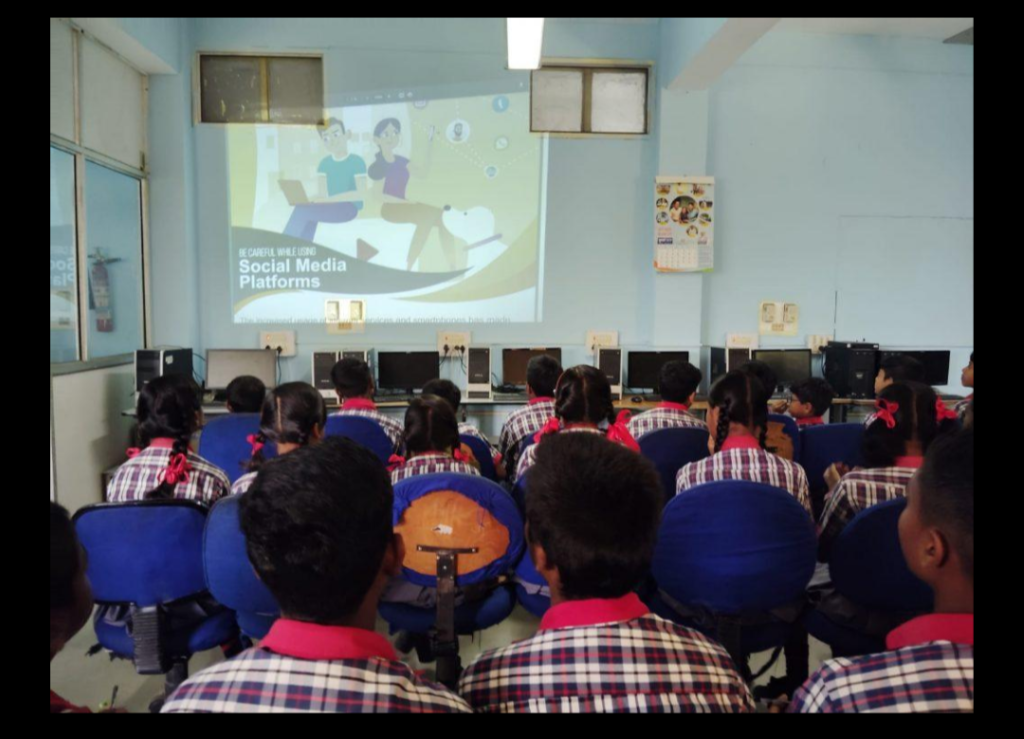
Importantly, the plea does not seek a complete ban on children’s access to the digital world. It supports supervised access to lawful, educational and age-appropriate content through accounts controlled by parents or guardians under a proper regulatory framework.
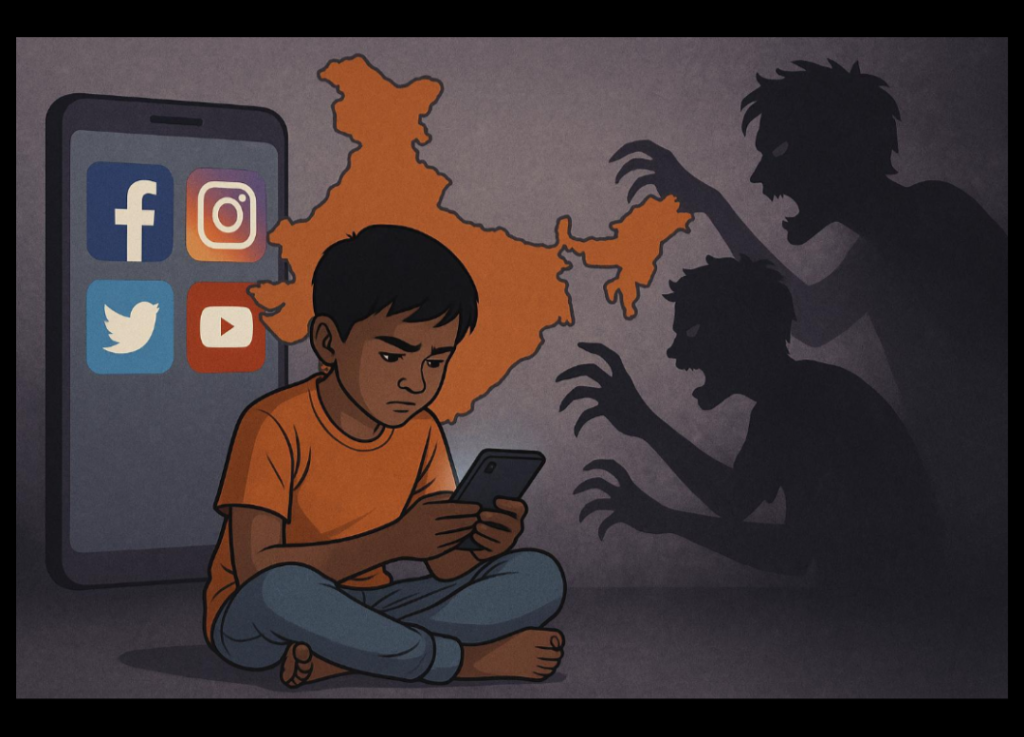
During the hearing, the bench observed the need for protections. CJI Surya Kant remarked, “We need some safeguards in India,” while Justice Bagchi noted that “there should be some firewalls.” The petition highlights risks such as online grooming, sexual exploitation, cyberbullying, trafficking, sextortion and exposure to age-inappropriate content.
The matter has been listed for further hearing, with the Centre expected to file its response. The case raises broader questions about age verification, platform accountability and balancing children’s digital access with protection under Indian law.