







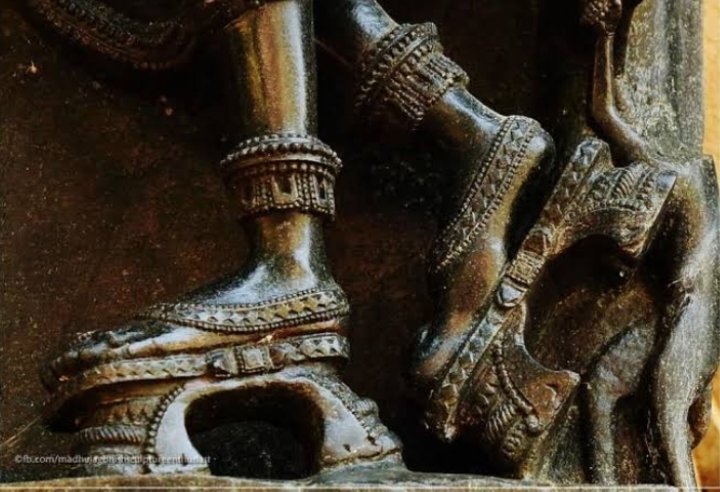
A fascinating detail hidden in the sculptures of Telangana’s historic Ramappa Temple is once again attracting attention. One of the temple’s intricately carved female figures is depicted wearing raised footwear, leading many people to compare the design with what is popularly known today as high heels.
The Ramappa Temple, officially known as the Kakatiya Rudreshwara Temple, was built during the Kakatiya period. Construction began in 1213 CE, and the temple is renowned for its highly detailed sculptures portraying dance, culture and everyday artistic expressions of the period.
The footwear depiction has become one of the more unusual details associated with the temple’s famous Madanika sculptures. A recent scholarly discussion of Kakatiya temple art notes that footwear representations in these sculptures can reveal details about medieval material culture, design and craftsmanship.
However, the viral claim that this proves “high heels were invented in ancient India” should be treated carefully. The sculpture demonstrates that raised or heeled footwear was represented in medieval Indian art, but it does not by itself establish the modern high-heel shoe as originating at Ramappa Temple. The broader history of heeled footwear is much older and includes traditions outside Europe as well.
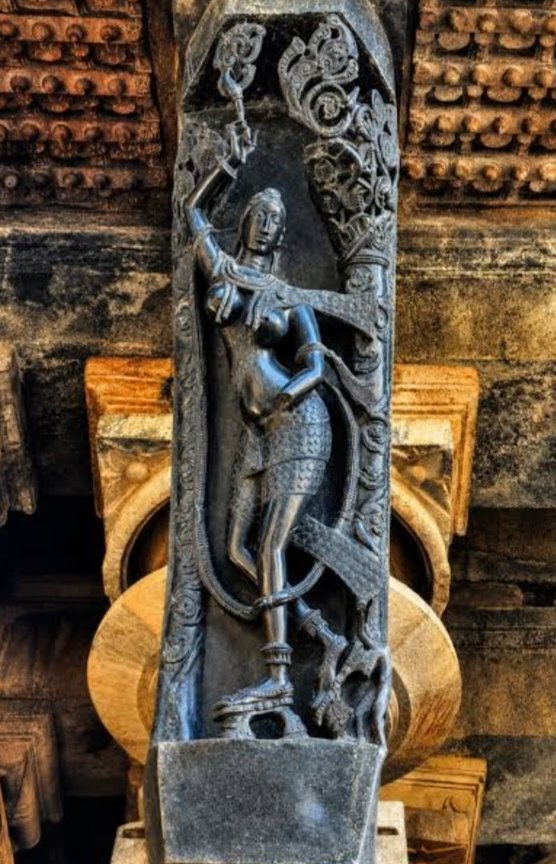
What makes the Ramappa example remarkable is the precision of the carving. UNESCO highlights the temple’s exceptional sculptural quality, particularly its bracket figures carved from hard dolerite stone. The artwork provides a glimpse into the sophistication of Kakatiya craftsmanship more than eight centuries ago.
Today, Ramappa Temple stands as a UNESCO World Heritage Site and remains one of Telangana’s most important examples of medieval Indian architecture and sculpture. Its detailed figures continue to attract historians, tourists and art enthusiasts looking for clues about the culture and creativity of the Kakatiya era.