








The foldable smartphone market is entering a new phase, and September 2026 could prove to be a turning point. Huawei and Xiaomi have introduced new premium foldable phones just days before Apple is expected to unveil its first foldable iPhone.
What makes this moment different is that the three companies are not taking exactly the same approach. Huawei is pushing the limits with a tri-fold design, Xiaomi is focusing on a wider book-style foldable, while Apple is expected to bring its own interpretation to the premium segment.
Together, these launches show that foldable phones are moving from an experimental category toward a major battleground for smartphone innovation.
Huawei Pushes the Tri-Fold Concept Further
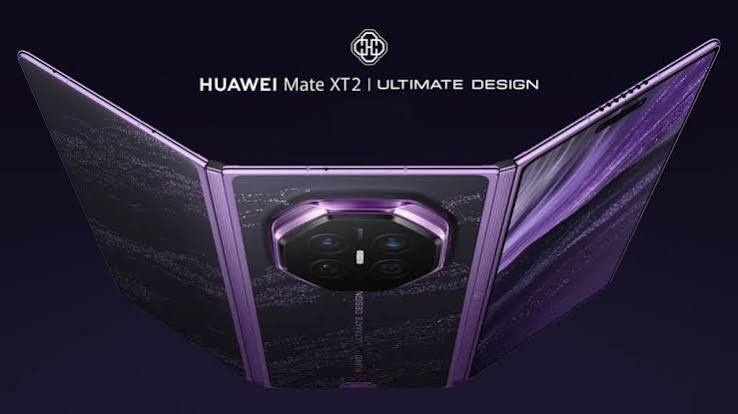
Huawei’s latest Mate XT2 represents the company’s continued investment in tri-fold smartphones. Instead of opening once like traditional book-style foldables, the device folds twice and can expand into a much larger, tablet-like display.
The phone is powered by Huawei’s new Kirin 9050 Pro chipset. The company says its LogicFolding architecture is designed to improve computing efficiency while reducing power consumption. The Mate XT2 also brings a redesigned hinge, improved water resistance and a privacy-focused display option.
Huawei’s timing is also significant. The company launched the device immediately before Apple’s expected entry into the foldable market, giving it an opportunity to demonstrate how far its technology has already progressed.
Xiaomi Takes a Different Route
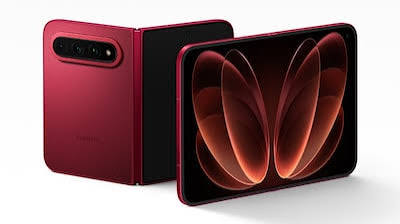
Xiaomi’s new 18 Fold follows a more familiar book-style design, but the company has focused on making the device wider and more powerful.
The phone features a 7.58-inch inner display and a 5.38-inch outer screen, with a design intended to make the folded device more comfortable for everyday use. Xiaomi has also introduced its in-house XRing O3 processor, alongside a large battery and a high-end Leica-enhanced camera system.
This approach is important because Xiaomi is not trying to win the foldable race purely through unusual hardware. Instead, it is combining premium specifications with a design that remains closer to a conventional smartphone experience.
Apple Is Entering a Market That Has Already Evolved
Apple’s expected foldable iPhone will arrive considerably later than the first generation of foldable smartphones.
That could actually work in Apple’s favour.
Rather than being an early experiment, Apple’s entry comes after competitors have spent years working on hinges, flexible displays, battery efficiency and durability. The company is expected to target the ultra-premium segment, with reports pointing to a price of around $2,000 or more.
The big question is whether Apple’s ecosystem, software integration and brand appeal can convince consumers to pay a premium for a foldable device when Huawei, Xiaomi and Samsung already have experience in the category.
Three Different Ideas of What a Foldable Phone Should Be
The latest launches highlight three distinct directions.
Huawei: Make the smartphone transform into something closer to a tablet through a tri-fold design.
Xiaomi: Keep the familiar book-style format but improve screen proportions, performance, cameras and battery life.
Apple: Enter the category with a highly polished premium device built around the company’s hardware and software ecosystem.
This means the competition is no longer simply about who can build a phone that folds. It is increasingly about why consumers would want one.
The Technology Behind the Race Is Changing Too
The foldable competition is also becoming a contest between proprietary technologies.
Huawei is developing its own processors and folding architecture despite continuing restrictions on access to some advanced technologies. Xiaomi is similarly investing in its own silicon, including the XRing O3 used in the 18 Fold.
That shift could make future smartphones less dependent on a small number of chip suppliers while giving manufacturers greater control over performance, power management and AI capabilities.
China Is Becoming a Major Testing Ground
China is particularly important to this competition. Huawei remains a major force in the country’s smartphone and foldable markets, while Xiaomi is competing aggressively in the premium segment.
Reuters reported that Huawei held 68% of China’s foldable-phone shipments in the second quarter of 2026, highlighting the company’s strong position before Apple’s expected arrival.
Apple’s entry could therefore create an especially interesting contest in China, where premium smartphone buyers already have access to sophisticated foldable devices.
What This Means for Smartphone Buyers
For consumers, the growing competition could eventually mean better foldables, more design choices and faster innovation.
The biggest challenges remain price, durability, battery life and the practical value of having a larger screen in a pocketable device. Those issues will determine whether foldables become mainstream or remain a premium niche.
Apple’s arrival could also increase attention around the category, potentially encouraging more manufacturers to invest in foldable technology.
The Bigger Smartphone Shift
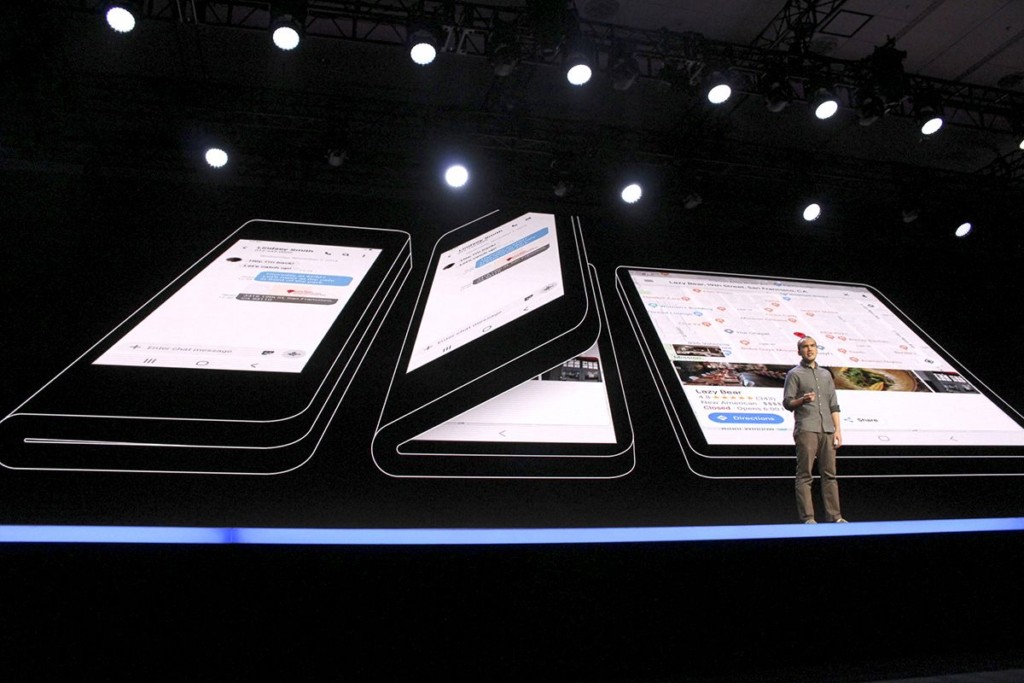
The latest launches suggest that foldables are no longer just about creating a phone with a flexible screen. Manufacturers are experimenting with new screen proportions, hinges, processors, software experiences and multitasking features.
Huawei is pushing the boundaries with tri-fold technology. Xiaomi is refining the book-style concept. Apple is preparing to enter with its own premium interpretation.
The real competition, therefore, may not be Huawei vs Xiaomi vs Apple.