






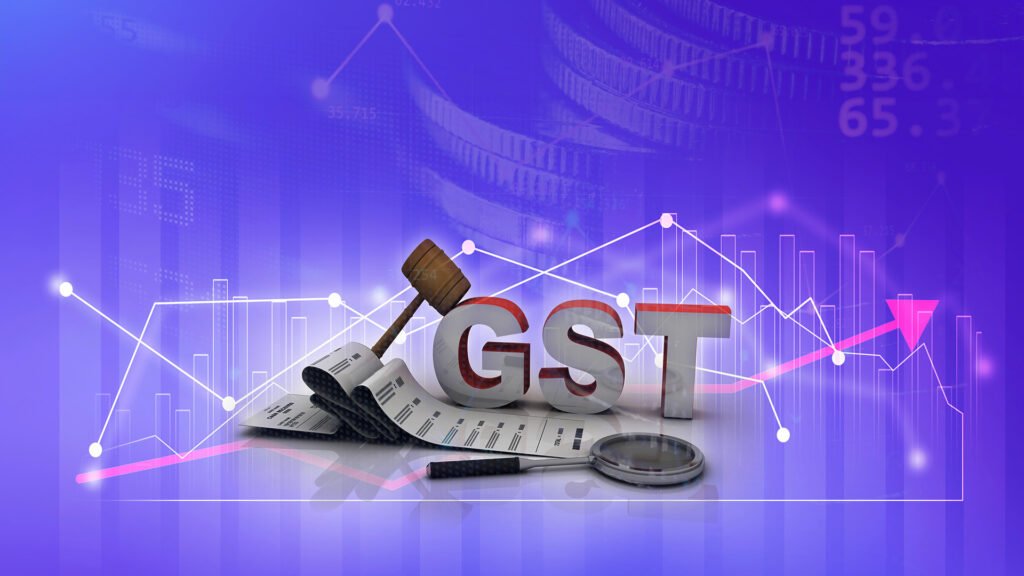
India’s Goods and Services Tax (GST) system has played a major role in creating a unified indirect tax framework, but simplifying the tax structure remains important for businesses and investors. A more streamlined GST regime could reduce compliance difficulties, improve transparency and create a more predictable business environment.
For businesses, particularly small and medium-sized enterprises, complicated tax procedures and compliance requirements can increase operational costs and consume valuable time. Simplifying GST rules and reducing unnecessary complexities could make it easier for businesses to operate, expand and invest in new opportunities.
A simpler tax system can also improve investor confidence. Domestic and international investors generally look for clear regulations, predictable policies and efficient compliance mechanisms before committing capital. Greater clarity in GST could therefore contribute to a stronger investment climate.
The broader objective of GST reforms is not only to improve tax collection but also to support economic activity. Lower compliance burdens can encourage entrepreneurship, help businesses scale up and potentially create more employment opportunities.
As India continues to target faster economic growth and attract higher levels of investment, efficient taxation will remain an important part of the reform agenda. A simpler GST framework could help businesses focus more on productivity and expansion while supporting the country’s long-term growth ambitions.
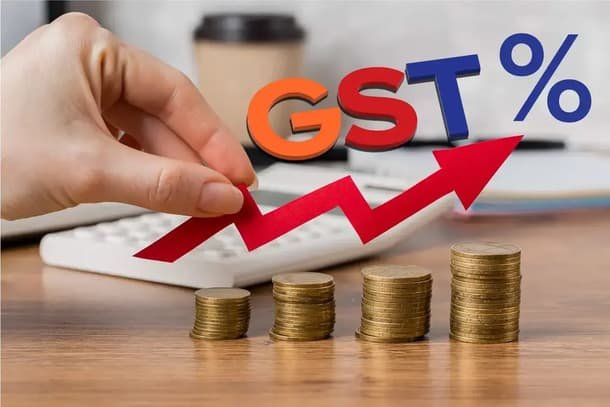
Micro, small and medium enterprises form an important part of India’s economic ecosystem. For these businesses, compliance costs can represent a significant burden. Simplifying GST procedures could make tax compliance more accessible and reduce the administrative pressure faced by smaller enterprises.
A smoother compliance system could also encourage more businesses to operate formally, strengthening the tax base while creating a more organised business environment.
GST simplification is not merely about reducing paperwork. An efficient tax framework can have wider economic implications. When businesses spend less time dealing with complex compliance requirements, they can redirect resources towards technology, hiring, production and expansion.Greater efficiency across the tax system could also improve the movement of goods and services and contribute to a more competitive business environment.
Any GST reform needs to maintain a balance between simplifying taxation and protecting government revenues. A well-designed system should make compliance easier without weakening tax administration or creating opportunities for evasion.
As India seeks to strengthen its position as a major investment destination, tax policy will remain an important component of the economic reform agenda. Continued efforts to simplify GST could help create greater certainty for businesses while supporting investment and sustainable economic growth.
