








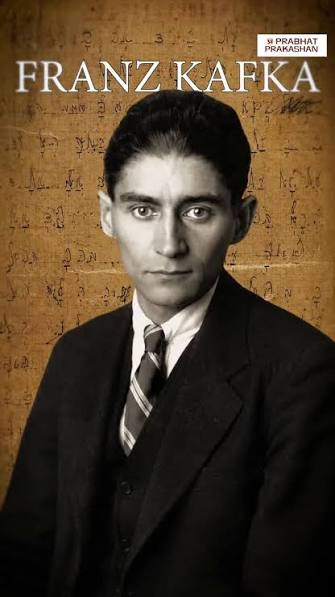
Franz Kafka remains one of the most influential writers of the 20th century. Known for exploring alienation, anxiety, bureaucracy and the absurdities of everyday life, Kafka created stories that continue to resonate with readers. His works often place ordinary characters in strange situations that challenge their understanding of the world.
Here are five notable works to explore if you want to discover Kafka’s distinctive literary style.
1. The Metamorphosis
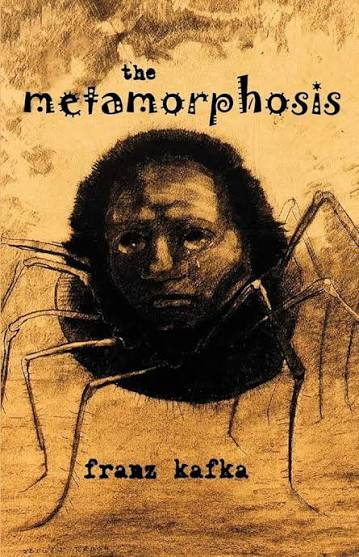
One of Kafka’s best-known works, The Metamorphosis follows Gregor Samsa, a travelling salesman who wakes up to find himself transformed into a monstrous insect. The story examines isolation, family responsibilities and the way society treats people who can no longer meet its expectations.
2. A Hunger Artist
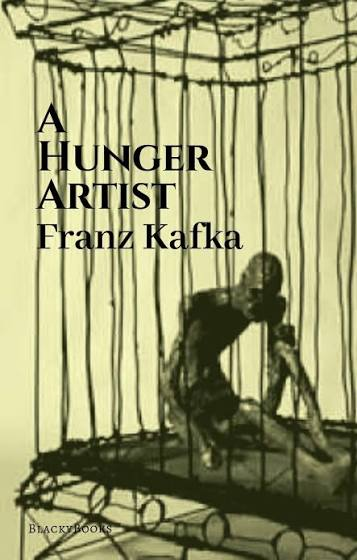
This short story centres on a performer whose public fasting once attracted audiences but gradually loses its appeal. Through the artist’s declining popularity, Kafka explores the relationship between artistic expression, public attention and the desire to be understood.
3. The Trial
The Trial follows Josef K., a man who is arrested and prosecuted by an inaccessible authority without being told what crime he has committed. The unfinished novel is widely associated with Kafka’s exploration of bureaucracy, uncertainty and powerlessness.
4. Letters to Milena
This collection brings together Kafka’s correspondence with Milena Jesenská, a writer and translator who translated some of his work into Czech. The letters offer insights into his personal relationships, emotional struggles and reflections on writing.
5. Letter to His Father
Written in 1919, Letter to His Father is an autobiographical text in which Kafka examines his complicated relationship with his father, Hermann Kafka. The manuscript offers a personal perspective on the family tensions and feelings of inadequacy that shaped parts of his life and writing.
Why Kafka’s Work Still Matters
Kafka’s writing continues to attract readers because it examines experiences that remain familiar: feeling misunderstood, navigating complicated systems and struggling to find meaning in uncertain circumstances. His distinctive blend of realism and the surreal has also given rise to the term “Kafkaesque,” used to describe situations that feel absurd, oppressive or difficult to escape.
