







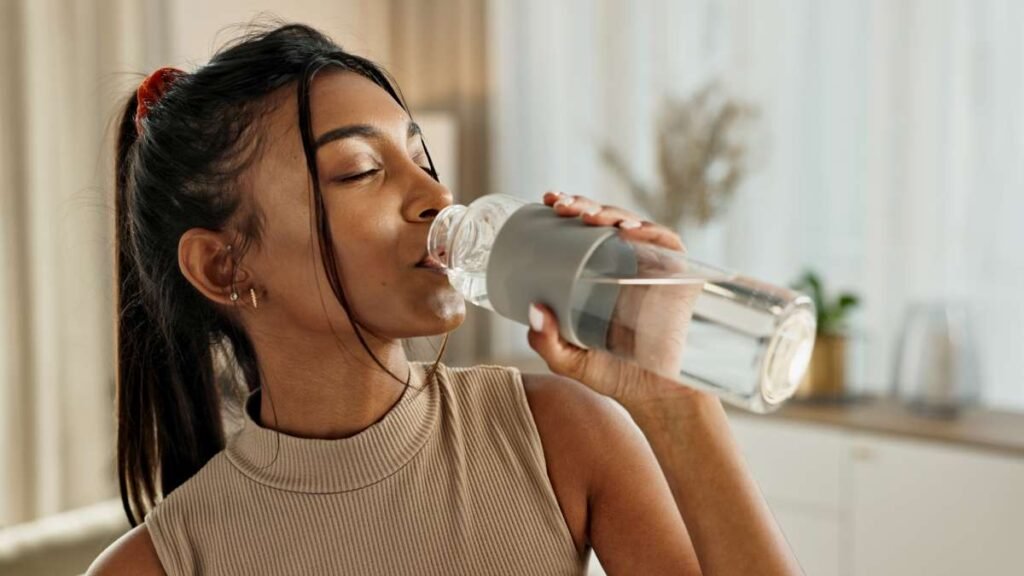
Drinking enough water is an important part of maintaining overall health, but when you drink water can also fit into your daily routine in useful ways. Starting the day with water can help replenish fluids after several hours of sleep, while drinking water around meals and between meals can contribute to maintaining regular hydration.
Water needs vary from person to person depending on factors such as body size, physical activity, climate, diet and overall health. People who exercise or spend considerable time in hot weather may need more fluids because of increased water loss through sweating.
It is also useful to pay attention to thirst, urine colour and activity levels rather than following a single fixed drinking schedule. Drinking water regularly throughout the day is generally more practical than consuming a large amount at once.
Before and during physical activity, adequate hydration can be particularly important. After exercise, replacing fluids lost through sweating can help support recovery. However, excessive water consumption can also be harmful, so hydration should be balanced according to individual needs.
For people with certain medical conditions or specific fluid restrictions, the appropriate amount of water may be different. A healthcare professional can provide personalised advice when needed.
For a healthy routine, keep water accessible, drink regularly throughout the day and adjust your intake based on your activity and environment.
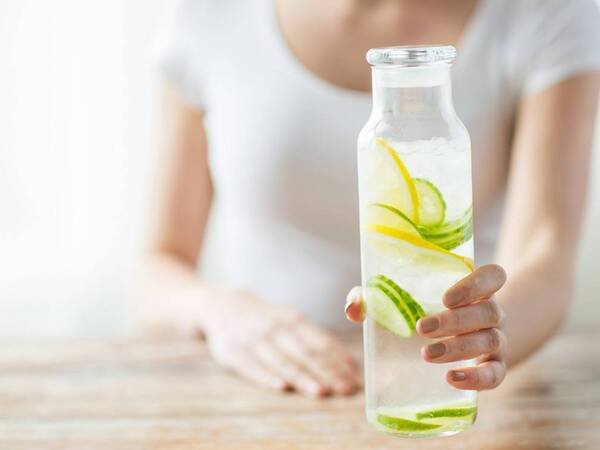
After several hours of sleep, the body has gone without fluids. Drinking a glass of water after waking up can be a simple way to begin your daily hydration routine. It can also encourage people to make water a regular part of their morning habits.
There is no single perfect time that works for everyone. Having water regularly between meals and during daily activities can help maintain fluid intake. Keeping a water bottle nearby may make it easier to remember to drink.
Physical activity increases fluid loss through sweating. Drinking water before exercise and taking fluids during longer or more intense workouts can help replace some of the fluid lost through activity. Hydration needs can vary depending on exercise intensity, duration and weather conditions.
Thirst can be one useful signal that your body needs fluids. Urine colour can also provide a general indication of hydration status, although it can be affected by foods, medications and other factors. Rather than forcing excessive amounts of water, aim for regular and appropriate fluid intake.
Drinking water with meals can contribute to daily fluid intake. Some people may also find that having water with food makes meals more comfortable, while others prefer drinking more between meals.
More water is not always better. Consuming excessive amounts of water in a short period can cause dangerously low blood sodium levels. People with kidney, heart or other medical conditions may also have specific fluid recommendations from their healthcare professionals.
The key to staying hydrated is consistency rather than following a strict clock-based schedule. Drink water regularly throughout the day, increase fluids when you are active or exposed to heat, and follow personalised medical advice when applicable.