






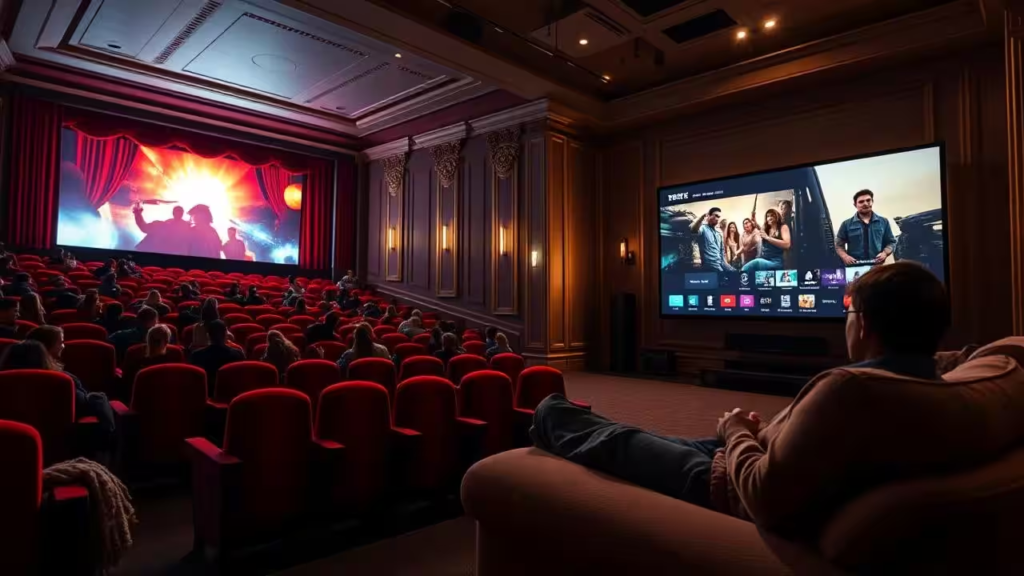
For years, watching a new film meant buying a ticket, finding a showtime and heading to a cinema. Then streaming changed the routine. With a few taps, audiences could watch movies at home, pause whenever they wanted and choose from an enormous catalogue.
In 2026, however, the story is becoming more complicated.
The question is no longer whether OTT will replace theatres. Instead, the Indian entertainment industry is trying to work out which films belong on the big screen first, how long they should stay there and when they should move to streaming.
The debate has become particularly intense in South India, where exhibitors have proposed an eight-week theatrical window before films become available on OTT or other digital platforms.
The Eight-Week Debate Changes the Conversation
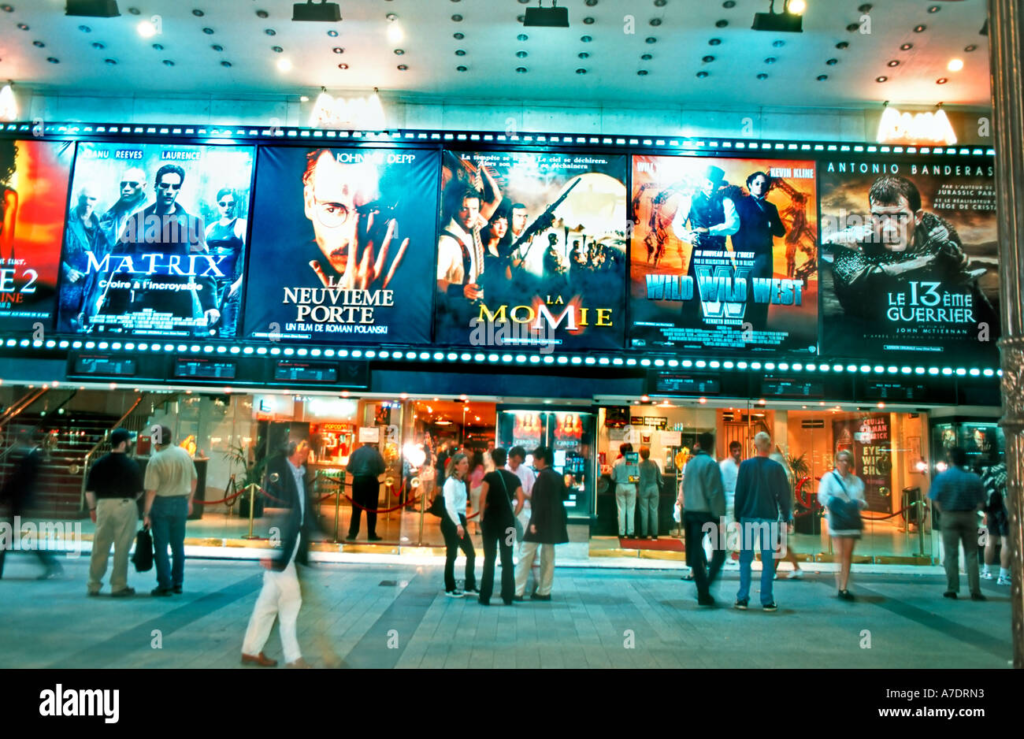
South Indian exhibitors from Karnataka, Tamil Nadu, Andhra Pradesh, Telangana and Kerala have pushed for a standardised eight-week gap between a theatrical release and its digital debut.
Their argument is straightforward: if audiences know that a film will arrive on an OTT platform within a few weeks, some may decide to wait rather than spend money on a cinema ticket.
Exhibitors therefore want films to have enough time in theatres to build word of mouth, generate box-office revenue and reach audiences who might otherwise skip the theatrical experience.
But the proposal has also exposed a larger disagreement within the industry.
Producers have argued that release-window decisions affect multiple stakeholders and should not be imposed unilaterally. The South Indian Film Producers Association has raised concerns about financial uncertainty and called for consultation among producers, distributors and exhibitors.
Why Audiences Are Waiting for OTT
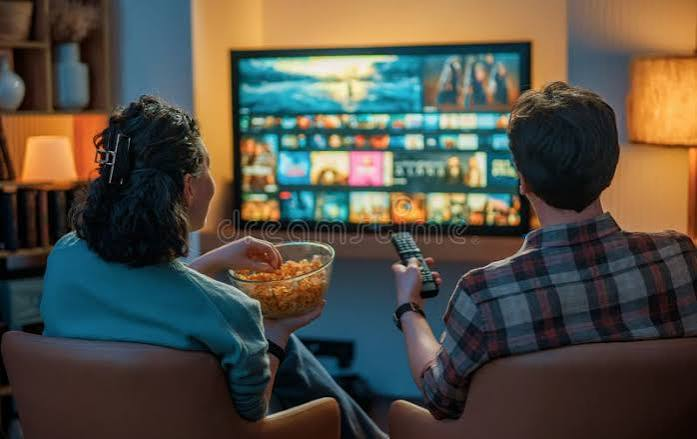
The attraction of streaming is easy to understand.
A cinema outing involves tickets, transport, food and a fixed showtime. OTT offers convenience. Viewers can watch from their homes, choose their preferred time and often explore several titles within the cost of a subscription.
That convenience has changed the psychology of movie-going.
Audiences have become more selective. A film may still generate excitement, but viewers increasingly ask whether it is worth watching immediately on the big screen or whether they can simply wait for its digital release.
Research on Indian audiences also points towards changing viewing habits, with accessibility, cost, content availability and social influences playing roles in the choice between streaming and theatres.
But Theatres Are Far From Finished
It would be misleading to describe this as the death of cinema.
Big-budget action films, star-driven releases, event movies and films designed around spectacle continue to have a strong theatrical appeal. The cinema hall offers something that a home screen cannot completely reproduce: a shared experience.
The scale of a large action sequence, the reaction of a packed audience and the social experience of watching a major release together remain powerful attractions.
The Ormax Bollywood Audience Report 2026 identified 28.5 million regular Hindi theatrical audiences in urban India, showing that a substantial audience continues to visit cinemas regularly. At the same time, the report highlights that movie-goers have become more selective about their theatrical choices.
That may be the key change.
People are not necessarily abandoning theatres. They are becoming choosier about what deserves a theatre ticket.
The New Movie-Watching Habit: Watch Selectively, Stream the Rest
The traditional model was relatively simple: a film released in theatres and audiences decided whether to watch it.
The modern model is more layered.
A viewer might watch a trailer online, follow social-media reactions, check reviews, see box-office discussion and then decide whether to buy a ticket.
If the film looks like a big-screen experience, the audience may go immediately.
If it appears less urgent, the viewer may wait for OTT.
This has created a new category of movie consumer: someone who enjoys both theatres and streaming but uses them for different purposes.
OTT Is Not Just a Competitor Anymore
One of the biggest changes in the entertainment business is that OTT platforms and theatres are increasingly part of the same film ecosystem.
A successful theatrical run can create additional demand when a movie reaches streaming. Likewise, an OTT series can build a fan base that later drives interest in a theatrical spin-off.
The recent conversation around Mirzapur: The Movie is one example of this crossover: a property built through streaming is being tested in the theatrical market, raising questions about whether OTT popularity can translate into cinema audiences.
This suggests that the future may not be about choosing one platform over another.
It could be about using both platforms at different stages of a film’s life.
Why Release Timing Matters So Much
The gap between cinema and OTT has become a major business issue because timing can influence audience behaviour.
If a film reaches streaming almost immediately, some viewers may postpone their cinema visit.
But if the gap becomes too long, audiences may lose interest, especially when spoilers, social-media discussions and online clips have already circulated widely.
The industry therefore faces a difficult balancing act.
A shorter window gives audiences faster access to streaming. A longer window gives theatres more time to earn from the film.
Finding the right middle ground is becoming one of the most important questions in India’s film business.
The Industry May Be Moving Towards a Theatre-First Model
Interestingly, recent industry data suggests that direct-to-OTT movie releases have declined considerably from their pandemic-era peak, while theatre-first releases have recovered.
According to data based on the FICCI-EY Media & Entertainment Report 2026 and PVR INOX’s industry update, direct-to-OTT releases fell from 217 in 2022 to 30 in 2025, while theatre-first releases increased from 359 to 470 during the same period.
That does not mean OTT is losing importance.
Instead, it suggests that the industry may be settling into a theatre-first, streaming-later model for a larger share of films.
What Happens Next?
The most likely future is not a simple victory for either side.
Theatres will remain important for films that offer scale, spectacle, stars, franchises and a strong communal experience. OTT will remain essential for viewers who prioritise convenience, variety and affordability.
The real competition may therefore shift from “theatre versus OTT” to “what type of content belongs where?”
A large-scale action film may be marketed as a theatrical event.
A smaller drama may find a larger audience through streaming.
A successful franchise could use both platforms, building anticipation in cinemas before expanding its reach digitally.
And audiences will continue deciding with their wallets — and their subscriptions.
The Big Screen Is Changing, Not Disappearing
India’s movie-watching culture is entering a more selective phase.
Theatre owners want longer exclusivity. Producers want flexibility. Streaming platforms want attractive content. Audiences want convenience but are still willing to pay for experiences that feel worth leaving home for.
That makes the current OTT-versus-theatre debate less about which medium will win and more about how the two will coexist.
The eight-week proposal in South India has brought the issue into sharper focus, but the underlying change is much broader.
The future of Indian cinema may belong to films that know exactly why they should be watched in a theatre — and exactly when they should come home.