








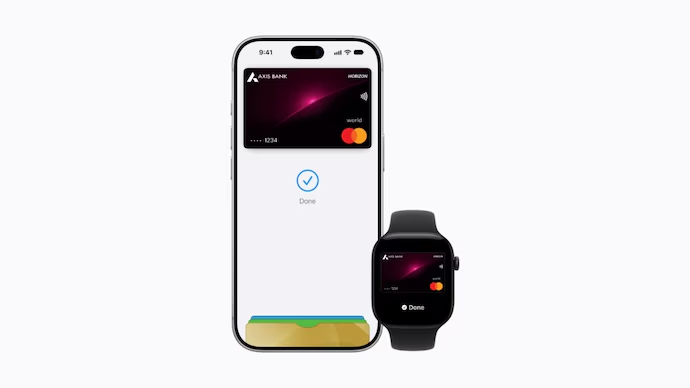
Apple has officially brought Apple Pay to India, giving iPhone, iPad and Apple Watch users a new way to make card payments. The service went live on September 30 and currently has limited bank support, with Apple saying more banks are expected to be added.
The launch comes years after Apple Pay first became available in the US and marks Apple’s latest move into India’s rapidly growing digital payments ecosystem.
Apple Pay Is Finally Available in India
Indian users can now use Apple Pay to make payments in stores, apps and on websites where the service is supported.
At launch, Apple Pay works with Visa and Mastercard credit cards issued by Axis Bank. Apple has indicated that support will expand to additional banks in the future.
Apple says the service is available across iPhone, iPad and Apple Watch, while Mac support is expected to arrive later.
How to Add a Card to Apple Pay
Setting up Apple Pay involves adding an eligible bank card to the Apple Wallet app.
Users can open the Wallet app, tap the add-card option and follow the instructions to enter their eligible card details. The bank may require verification before the card can be activated for Apple Pay.
Once the card has been successfully added, it can be used for supported purchases without repeatedly entering card information.
How to Pay Using an iPhone
For an in-store payment, users can bring their iPhone close to a compatible contactless payment terminal.
On supported iPhones, double-clicking the side button brings up the default payment card. The user can then authenticate using Face ID, Touch ID or the device passcode and hold the phone near the payment terminal.
Apple says Apple Pay is designed to allow users to pay without entering a PIN or OTP at checkout.
Apple Pay on Apple Watch
Apple Watch users can also make supported contactless payments after adding an eligible card to the device.
The feature could be particularly convenient for people who prefer making quick payments without taking their iPhone out of their pocket or bag.
Apple Pay is also available on iPad for supported online and in-app purchases, while Mac support is planned for a later date.
What About UPI?
Apple Pay enters a market where UPI is already widely used for everyday payments.
Unlike UPI, Apple Pay’s initial Indian offering is centred on eligible debit or credit cards rather than bank-account-based UPI transactions. This means the service is currently positioned as another payment option for consumers who use supported cards.
Apple’s Focus on Privacy and Security
Apple says Apple Pay uses security features designed to avoid sharing the user’s actual card number with merchants during transactions.
The company describes the service as private and secure, while its contactless payment system allows users to authenticate transactions directly through their Apple devices.
More Banks Could Follow
The biggest limitation at launch is the relatively narrow bank support. Only eligible Axis Bank Visa and Mastercard credit cards are currently supported in India.
Apple is expected to broaden compatibility with additional banks and cards, which could make the service more useful to a larger number of Indian consumers.
For now, Apple Pay’s arrival gives iPhone and Apple Watch users another way to make contactless card payments while marking an important new chapter in Apple’s payments strategy in India.