




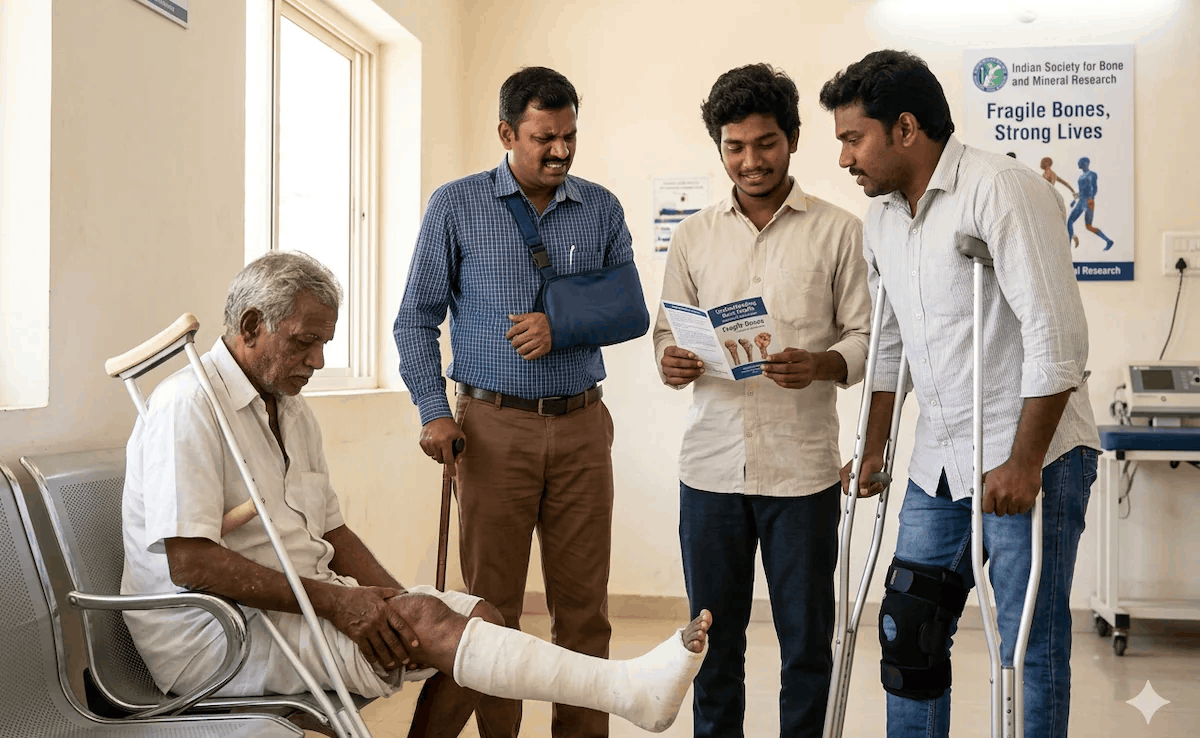
Osteoporosis is often associated with older women, but new research highlights the growing importance of bone health among Indian men. A systematic review and meta-analysis published in the Indian Journal of Medical Research estimates that 14.6% of healthy adult Indian men included in the analysed studies had osteoporosis, while 50.3% had osteopenia, a condition characterised by lower-than-normal bone density.
Study Highlights Bone Health Concerns
The review examined 21 studies, with six studies involving 1,569 men contributing to the pooled estimate for osteoporosis. Researchers noted substantial variation between studies, meaning the findings should not be treated as a precise estimate for all Indian men.
Osteoporosis weakens bones and increases the risk of fractures, sometimes following a minor fall. Osteopenia indicates reduced bone density but is not the same as osteoporosis.
Why Osteoporosis Often Goes Undetected
Osteoporosis can develop without obvious symptoms, and many people discover they have the condition only after sustaining a fracture. Men may underestimate their risk because bone loss is commonly perceived as a health concern that primarily affects women.
Ageing, low testosterone levels, inadequate calcium and vitamin D, physical inactivity, smoking, excessive alcohol consumption and certain long-term medications can contribute to bone loss. Chronic conditions may also increase risk.
Warning Signs That Should Not Be Ignored
Although osteoporosis may remain silent for years, certain signs warrant medical assessment. These include:
- Fractures after a minor fall or injury
- Unexplained or persistent back pain
- Gradual loss of height
- A newly stooped or hunched posture
These symptoms can have other causes, too, so a medical evaluation is important rather than assuming they indicate osteoporosis.
Who Should Consider Bone Density Screening?
Doctors may recommend bone-density testing based on age, medical history and individual risk factors. Older adults, people who have experienced fractures after minor injuries, those taking certain medications over long periods and people with conditions associated with bone loss may benefit from discussing screening with a healthcare professional.
A DXA or DEXA scan is commonly used to measure bone mineral density, usually at the hip and spine. It can help clinicians assess bone health and determine whether further evaluation or treatment is needed. Screening decisions should be made with a doctor rather than assuming everyone needs the test.
Steps to Maintain Strong Bones
Healthy daily habits can support bone strength and help reduce fracture risk. Experts recommend:
- Eat a balanced diet: Include suitable sources of calcium, vitamin D and protein, such as dairy products, pulses, tofu and green leafy vegetables.
- Stay physically active: Walking and appropriate muscle-strengthening exercises can help maintain bone and muscle health.
- Avoid smoking: Tobacco use is a recognised risk factor for osteoporosis.
- Limit alcohol: Excessive alcohol consumption can negatively affect bone health.
- Reduce fall risks: Keep walkways clear, ensure adequate lighting and address balance or mobility concerns.
People with existing bone conditions or a history of fractures should seek medical advice before starting a new exercise routine.
Early Awareness Can Help Prevent Fractures
The research highlights the need to take osteoporosis seriously in men as well as women. While the available studies have limitations, their findings reinforce the importance of recognising risk factors and seeking medical advice when appropriate.
Early assessment, adequate nutrition, regular physical activity and suitable treatment can help protect bone health, reduce the risk of serious fractures and support mobility and independence as people age.