





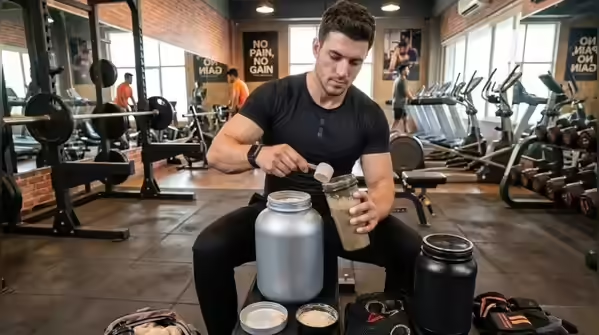


Protein has become one of the biggest buzzwords in the fitness world. From gym beginners to regular lifters, many people turn to protein powders hoping to build muscle faster, recover better and meet their daily protein needs.
But a protein supplement is exactly that a supplement, not a replacement for a balanced diet. Using it without understanding your actual protein requirements can make an otherwise useful product unnecessary.
Start With Your Diet, Not the Shaker
Before buying a protein powder, look at what you already eat. Eggs, milk, curd, paneer, pulses, beans, soy, fish, chicken and other foods can provide substantial amounts of protein.
If your regular meals already meet your needs, adding several scoops of powder may offer little additional benefit.
For people who struggle to get enough protein through food because of busy schedules, dietary preferences or higher protein requirements, a supplement can be a convenient option.
More Protein Does Not Automatically Mean More Muscle
A common fitness misconception is that increasing protein intake indefinitely will lead to faster muscle growth.
Muscle development depends on several factors, including resistance training, adequate calories, recovery and overall nutrition. Protein is important, but simply consuming more of it cannot replace a well-planned workout or sufficient sleep.
The goal should be adequate protein, rather than the maximum possible amount.
Check What Is Inside the Tub
Not every protein powder is formulated the same way. Products can differ considerably in their protein content, sweeteners, flavouring agents, added carbohydrates and other ingredients.
Reading the nutrition label is therefore important. Look at the protein provided per serving and check whether the product contains ingredients you may want to limit.
It is also sensible to choose products from reputable manufacturers and avoid making decisions based solely on advertisements or influencer recommendations.
Your Stomach May Have an Opinion Too
Some people experience bloating, gas, stomach discomfort or diarrhoea after consuming certain protein powders.
This can happen for different reasons, including individual sensitivity to ingredients or difficulty digesting certain formulations. People who are sensitive to dairy, for example, may find some milk-based protein products uncomfortable.
If a particular supplement consistently causes digestive problems, continuing to consume it simply because it is popular may not be the best approach.
Supplements Need More Attention When Health Conditions Are Involved
People with existing medical conditions or specific dietary restrictions should not automatically follow the supplement routine of a friend, trainer or social-media creator.
Protein requirements can vary depending on factors such as age, activity level, diet and health status. Anyone with a kidney or other significant health condition should discuss supplement use with a qualified healthcare professional before making major changes to protein intake.
Think of Protein Powder as Convenience, Not a Shortcut
The biggest shift in thinking is simple: protein powder should make a good fitness routine easier, not replace one.
A balanced diet, regular strength training, hydration and adequate recovery remain the foundation of fitness.
For someone who genuinely needs extra protein, a quality supplement can be practical. But for everyone else, the smartest first step may simply be improving the protein content and overall quality of everyday meals.
The Bottom Line
Protein powder can be useful, but it is not essential for everyone who goes to the gym. Instead of asking, “Which protein powder will give me the fastest results?”, a better question is, “Do I actually need a protein supplement?”
Understanding your diet and fitness goals first can help you use supplements more wisely and avoid turning a convenient fitness product into an unnecessary daily habit.