




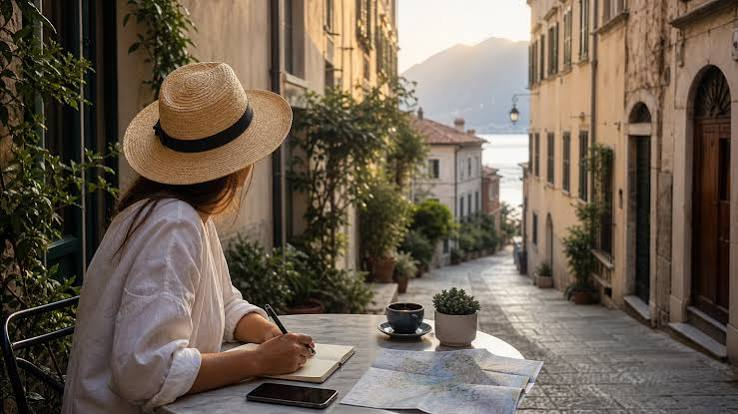
Travel in 2026 is becoming less about simply choosing a famous destination and more about deciding how, why and when to travel.
Travellers are looking for quieter places, longer journeys, meaningful experiences and greater flexibility. At the same time, artificial intelligence is becoming part of trip planning, while rail journeys, solo adventures, stargazing and off-season travel are gaining attention.
Recent travel research from Explore Worldwide and Nayara Resorts points to a broader shift toward purposeful and experience-led holidays, while newer developments in 2026 show technology becoming an increasingly visible part of the planning process.
Here are 10 trends that could define the way people travel this year.
1. AI Is Becoming a Travel Planning Companion

One of the biggest changes in travel planning is happening before people even leave home.
AI tools can now help travellers compare destinations, build itineraries, organise activities and adapt plans around individual preferences. Tourism organisations are also beginning to introduce AI-powered assistants; for example, the San Diego Tourism Authority launched an AI chatbot designed to provide personalised destination suggestions and itineraries.
But AI is unlikely to eliminate the need for human judgement.
Travel plans still need to be checked against official information, opening hours, transport schedules, visa requirements and real-world conditions. The smartest approach is increasingly AI for ideas, human judgement for decisions.
2. The “Hidden Season” Is Becoming More Attractive
Peak season is no longer automatically the preferred time to travel.
More travellers are looking at shoulder and off-peak periods to avoid crowds and experience destinations at a slower pace. Explore Worldwide identifies “hidden seasons” as an important 2026 trend, with travellers becoming more interested in visiting places outside their traditional peak periods.
The appeal is obvious: fewer crowds can mean a more relaxed experience, while some destinations may also offer better-value accommodation and activities.
For travellers willing to trade perfect weather for greater breathing room, the traditional travel calendar is becoming less important.
3. Long Trips Are Moving Beyond Retirement
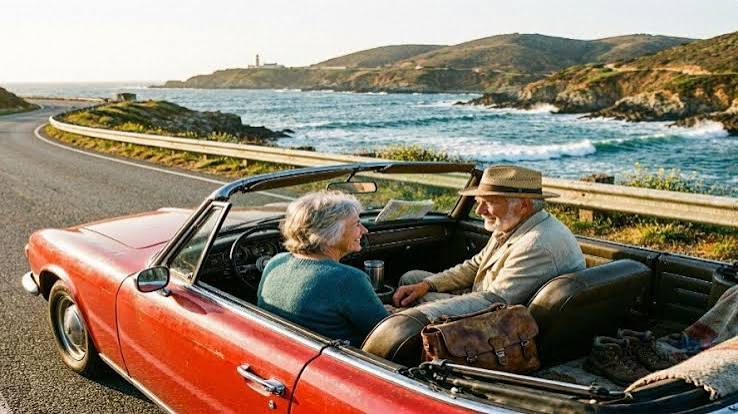
The idea of waiting until retirement for a major adventure is losing some of its appeal.
Explore Worldwide highlights “micro-retirements” as an emerging trend: taking extended breaks or ambitious journeys during working life rather than postponing them indefinitely.
This could mean a month travelling through several countries, a long hiking journey or taking an extended break between jobs.
The underlying idea is simple: travellers increasingly want to make time for significant experiences while they are able to enjoy them, rather than treating major travel as something reserved for later life.
4. Quiet Has Become Part of the Holiday
Not every traveller wants a packed itinerary anymore.
Quiet accommodation, secluded destinations and low-stimulation experiences are becoming increasingly attractive. Nayara Resorts describes this shift with the term “hushpitality,” reflecting demand for privacy, calm and uninterrupted time. Its 2026 report says rest and recharge is a leading motivation for leisure travel.
This trend is bigger than luxury resorts.
It can also mean choosing a small coastal town instead of a crowded resort, travelling to a national park, booking accommodation away from nightlife or simply leaving empty space in the itinerary.
In an increasingly connected world, doing less can become a reason to travel.
5. Rail Travel Is Becoming Part of the Experience
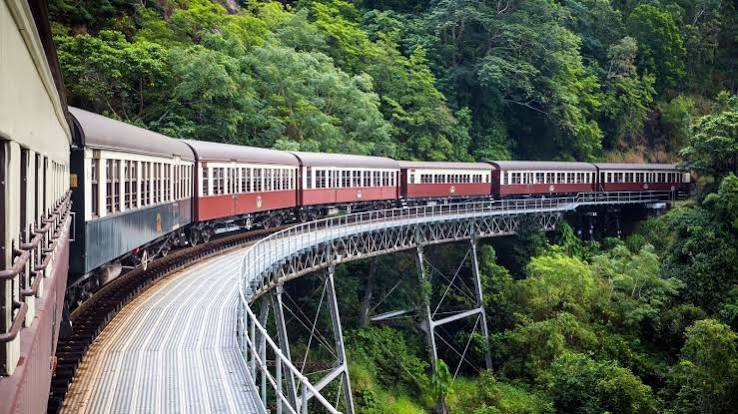
For many travellers, the journey itself is becoming part of the holiday.
Explore Worldwide reports a rise in bookings involving rail journeys and identifies train travel as one of its notable 2026 trends.
Rail offers something that flying often cannot: the landscape becomes part of the trip.
Long-distance trains can turn transportation into an experience, allowing travellers to watch cities, countryside, mountains and changing landscapes pass by instead of moving between airports.
This is particularly appealing to travellers interested in slower journeys and more immersive ways of exploring a region.
6. Solo Travel Is Becoming More Mainstream
Solo travel is no longer limited to the traditional backpacker stereotype.
People are travelling alone for flexibility, independence, personal interests and simply because coordinating holidays with others can be difficult.
Recent 2026 data and reporting point to continued interest in solo journeys, with Google searches for “solo travel” reaching record levels in the United States this year.
Interestingly, travelling alone does not necessarily mean being socially isolated.
Solo travellers can combine private time with group tours, shared accommodation, local activities and organised experiences. The result is a new version of solo travel where independence and social connection can coexist.
7. Stargazing Is Becoming a Reason to Travel
The night sky is becoming an attraction in its own right.
Astrotourism—travelling to places with dark skies for stargazing, meteor showers or astronomical events—is highlighted by both the wider travel industry and Nayara’s 2026 trends report.
Unlike conventional sightseeing, the experience often begins after sunset.
Remote deserts, mountains, islands and rural regions can become destinations because they offer something increasingly rare: a dark, unobstructed sky.
The appeal is also connected to the search for slower experiences. Instead of rushing between attractions, travellers may spend an evening simply watching the stars.
8. Adventure Is Getting Softer

Adventure travel doesn’t always mean climbing the world’s highest peaks or taking part in extreme sports.
A growing category of soft adventure combines manageable physical activity with culture, food and scenery.
Think cycling through rural landscapes, walking between villages, kayaking on calm waters, wildlife watching or joining a multi-day cultural trek.
Explore Worldwide identifies cycling as one of its 2026 trends, while Nayara also highlights soft adventure as part of the changing travel landscape.
The attraction is accessibility. Travellers can experience movement and exploration without turning the holiday into an endurance test.
9. Family Holidays Are Becoming Multi-Generational
Family travel is also changing.
Instead of parents travelling only with their children, more holidays are bringing together grandparents, parents and younger generations.
These trips can revolve around birthdays, anniversaries, reunions or simply creating time together.
Nayara identifies multi-generational travel as a significant 2026 trend, reflecting a broader desire to use travel for shared experiences and memories.
The challenge is choosing destinations and activities that work for different ages. That means comfortable transport, flexible schedules and a mixture of activities rather than one demanding itinerary.
10. Travellers Want Their Trips to Leave a Positive Mark
Sustainability is no longer the only conversation around responsible tourism.
Regenerative travel goes a step further by asking whether tourism can actively contribute to the places people visit.
That might involve supporting local businesses, choosing community-led experiences, protecting ecosystems or participating in conservation initiatives.
Nayara’s 2026 report highlights regenerative travel as a major shift and cites research suggesting that many travellers want to leave destinations better than they found them.
For travellers, this can turn responsible tourism from an abstract idea into everyday choices about where money is spent, which experiences are booked and how destinations are treated.
What Do These Trends Have in Common?
At first glance, AI planning, rail journeys, solo travel and stargazing may seem unrelated.
But they point toward the same larger change.
Travellers are becoming more intentional.
Some want technology to remove planning headaches. Others want to escape technology altogether. Some are looking for adventure, while others want silence. Families are seeking shared memories, while solo travellers are looking for independence.
The common thread is that travel is becoming less about collecting destinations and more about creating an experience that fits the traveller.
The Travel Trend to Watch Most Closely
Among all these developments, personalisation may be the biggest underlying trend.
AI can help build a trip around individual preferences. Solo travel gives people greater control. Off-season travel allows travellers to choose when a destination feels right. Quiet holidays prioritise mental space, while regenerative travel lets people align their spending with their values.
The destination still matters—but increasingly, the reason for going matters just as much.
Final Word
Travel in 2026 isn’t moving in one single direction.
Some people are looking for remote landscapes and dark skies. Others want sophisticated technology to organise every detail. Some want longer journeys, while others simply want a quiet weekend away.
What is changing is the definition of a good holiday.
For many travellers, the perfect trip is no longer the one with the longest checklist. It is the one that matches their time, interests, pace and purpose.