







Vibration plates have become a popular addition to home workouts, with users turning to them for exercise, muscle activation and recovery. But their growing popularity has also raised another question: can standing on a vibration plate help when your feet or ankles feel swollen?
While vibration-based exercise may offer some benefits, it should not be viewed as a quick solution for unexplained swelling. Understanding what these machines can and cannot do is important before making them part of a fitness routine.
What Are Vibration Plates?
A vibration plate is a fitness device that produces rapid movements through a platform. When a person stands, squats or performs simple exercises on it, the vibrations cause muscles to contract and relax repeatedly.
These machines are often promoted for improving muscle engagement, balance, flexibility and workout recovery. Because they can be used while performing relatively simple movements, they have also become popular among people looking for lower-impact exercise options.
Why Do Feet Sometimes Become Swollen?
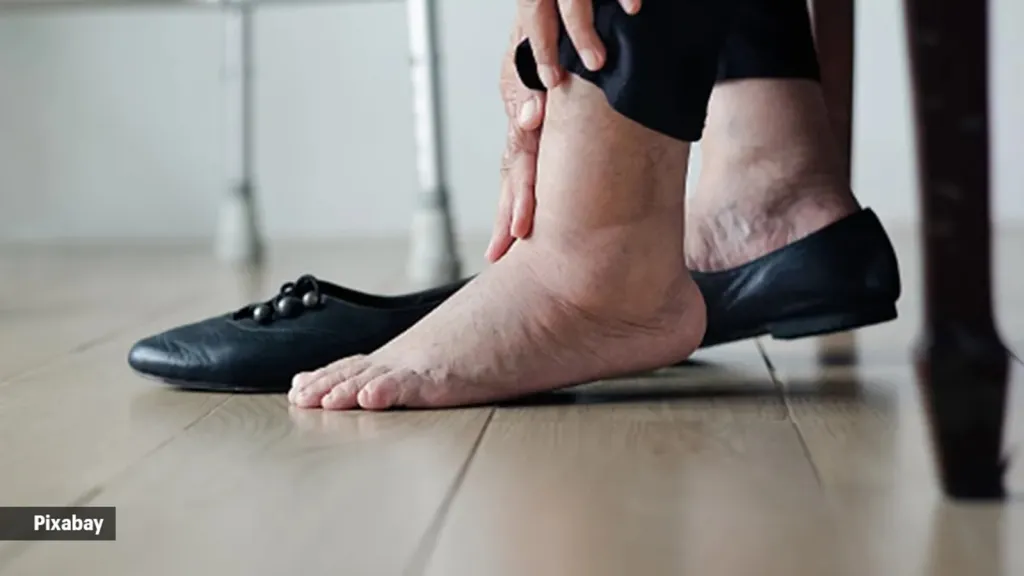
Swollen feet can happen for many everyday reasons. Spending long hours sitting or standing, travelling, heat, strenuous activity and temporary fluid retention can all contribute to swelling.
However, persistent or sudden swelling may have other causes. That is why it is important not to assume that swelling is simply a fitness or circulation problem.
If swelling is severe, painful, occurs suddenly or continues without an obvious reason, medical advice is more appropriate than relying on a fitness device.
Can Vibration Help With Swelling?
The movement created by a vibration plate may stimulate muscles in the legs and encourage movement after periods of inactivity. For some people, this may make the legs feel less stiff or heavy.
However, that does not mean vibration plates are a proven treatment for swollen feet. Their potential effects can vary depending on the individual and the reason behind the swelling.
Using a vibration plate should therefore be considered part of an overall activity routine rather than a replacement for medical treatment.
Potential Fitness Benefits
Vibration plates can have a place in a broader fitness programme. Depending on how they are used, they may help with:
- Muscle activation during certain exercises
- Balance and stability training
- Light movement for people who struggle with conventional workouts
- Flexibility and mobility exercises
- Workout variety
- Post-exercise recovery routines
The benefits are generally more meaningful when the platform is combined with appropriate exercises rather than simply standing on it for a few minutes.
There Are Also Risks to Consider
Vibration training is not suitable for everyone. People with certain medical conditions, injuries or balance problems may need professional guidance before using such equipment.
Incorrect posture, excessive intensity or prolonged use can also cause discomfort. Beginners should start cautiously and follow the manufacturer’s instructions instead of assuming that a stronger vibration will produce better results.
Most importantly, a vibration plate should never be used to ignore unexplained swelling or other unusual symptoms.
How to Use One More Safely
If you are healthy and want to include a vibration plate in your fitness routine, begin with a low setting and short sessions. Keep your posture controlled and avoid exercises that cause pain or discomfort.
It can also be useful to combine vibration-based exercises with simple activities such as walking, stretching and regular movement throughout the day.
For anyone with an existing health condition, consulting a qualified healthcare professional before starting vibration training is a sensible step.
The Bottom Line
Vibration plates can be an interesting fitness tool for muscle activation, balance and low-impact exercise. They may also make the legs feel more active after periods of inactivity.
But swollen feet should not automatically be treated with a vibration plate. The cause of swelling matters, and persistent or unusual symptoms deserve proper medical attention.
For fitness enthusiasts, the best approach is to treat vibration training as one small part of a balanced routine that includes regular movement, strength work, mobility exercises and adequate recovery.