








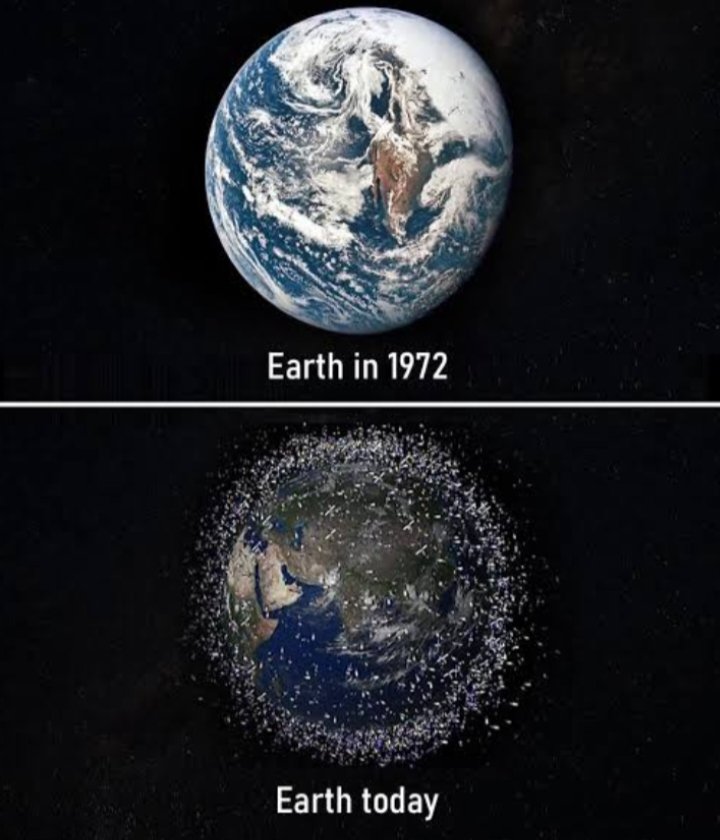
What was once an almost empty space around Earth has evolved into a highly connected orbital environment. The journey began in 1957, when the launch of Sputnik 1 marked the dawn of the satellite age and demonstrated that human-made machines could successfully operate in orbit.Since then, satellite technology has advanced at an extraordinary pace. Satellites have moved far beyond their original role in scientific experiments and military applications. Today, they form an invisible infrastructure that supports many aspects of modern life — from GPS navigation and weather forecasting to telecommunications, television, internet services, climate observation and disaster monitoring.
The expansion of commercial space companies has accelerated this transformation even further. Smaller and cheaper satellites, along with reusable launch technologies, have made it possible to deploy large numbers of spacecraft in relatively short periods. Satellite constellations are now being developed to provide connectivity across remote regions and improve access to high-speed communications.
But the rapid growth also comes with a serious concern: Earth’s orbit is becoming increasingly congested. Along with active satellites, thousands of inactive objects, rocket components and fragments of debris are travelling through space. Even a small piece of debris can pose a major threat to operational spacecraft because of the extremely high speeds involved.
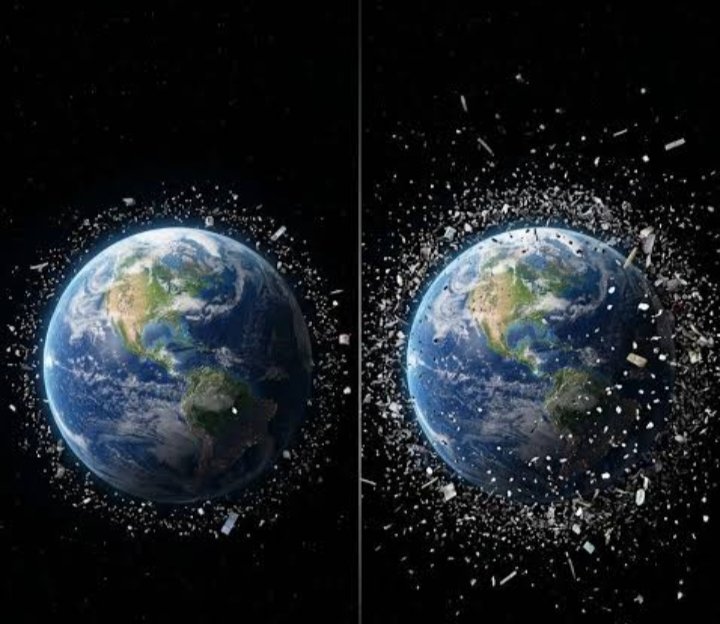
Scientists and space agencies are therefore focusing on better tracking systems, collision avoidance, responsible satellite disposal and long-term space sustainability. Keeping Earth’s orbital environment safe will become increasingly important as more countries and private companies expand their activities in space.
The satellite story is ultimately a story of extraordinary technological progress. From the first small spacecraft launched during the early Space Age to today’s enormous networks of satellites, humanity has transformed Earth’s orbit into an essential extension of modern infrastructure. The next challenge is not simply putting more satellites into space, but ensuring that this rapidly growing orbital ecosystem remains safe and sustainable for future generations.
The transformation from the first satellite to today’s enormous orbital networks demonstrates just how far space technology has progressed in less than seven decades. What began as a pioneering experiment has become an invisible infrastructure supporting communication, transportation, science, security and economic activity around the world.
The satellite revolution is no longer simply about exploring space. It is about building a sustainable technological ecosystem in space while protecting the orbital environment that future generations will depend on.