








India’s Unified Payments Interface (UPI) payment system has become the focus of a political debate over Merchant Discount Rate (MDR), a fee structure connected to digital payments. Finance Minister Nirmala Sitharaman has rejected the description of MDR as a tax or cess, while opposition parties have raised concerns about the impact of new charges on businesses and the digital payments ecosystem
What Is the UPI MDR Dispute About?
MDR, or Merchant Discount Rate, refers to a fee associated with processing certain digital payment transactions. The debate intensified after a proposed 0.4% MDR on selected UPI merchant transactions above ₹2,000, with the framework scheduled to take effect on October 15, 2026, according to recent reporting.
The government has maintained that the charge is not a tax and that consumers will not be directly charged for the MDR. The distinction between a fee paid within the payment ecosystem and a tax collected by the government is central to the discussion.
Nirmala Sitharaman Responds to Opposition Criticism
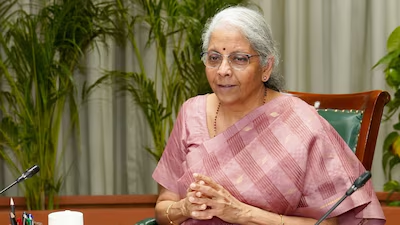
Finance Minister Nirmala Sitharaman said MDR should not be confused with a tax or cess and accused the opposition of spreading misinformation about the issue. She also stated that MDR charges would not be passed on to consumers, describing the arrangement as one between payment service providers.
The government’s position is that the payment system needs a sustainable financial structure while continuing to provide digital payment services. The debate, however, extends beyond the terminology used for the charge and includes concerns about its practical impact on businesses.
Opposition and Industry Raise Concerns
Opposition parties have criticised the proposed UPI charges and described them as a burden on merchants and consumers. Some political leaders have called for the decision to be withdrawn, while retailer organisations have warned that additional payment costs could affect businesses operating on narrow profit margins.
The Federation of All Maharashtra Petrol Dealers Associations has also appealed for an exemption from MDR and other digital payment charges on fuel transactions. Its concerns include the impact of payment costs on dealers whose fuel prices and margins are regulated.
What Could the Changes Mean for Digital Payments?
The MDR debate has raised questions about the future cost of maintaining India’s digital payment infrastructure. Supporters of a fee-based model point to the need for financial sustainability, while critics worry that payment costs could discourage businesses from accepting digital transactions or increase pressure on small retailers.
The actual impact will depend on the final implementation framework, the businesses covered and how payment service providers and merchants handle the charges. Consumers and merchants will need clear information about which transactions are subject to MDR and whether any costs can be transferred to customers.
A Debate Over India’s Digital Payment Future
The disagreement over UPI MDR reflects a broader discussion about how India can maintain its rapidly expanding digital payment infrastructure. The government has emphasised that the charges are not a tax or cess, while opposition parties and business groups have questioned the financial implications of the proposed framework.
As the October 15 implementation date approaches, further clarification about the rules, exemptions and responsibilities of payment participants will be important for merchants and consumers.