






A major U.S. health study is set to track thousands of people who were children or still in the womb and living near New York’s World Trade Center during the September 11, 2001, attacks, focusing on the long-term effects of toxic exposure.
Announced around the 25th anniversary of the attacks, the World Trade Center Health Program (under the CDC and NIOSH) is establishing a Youth Research Cohort. Eligible participants include those who were 21 years old or younger on September 11, 2001 (or exposed in utero), and who lived or were present below 14th Street in Manhattan or anywhere in Brooklyn during the exposure period of September 11, 2001, to July 31, 2002. A comparison group of similarly aged but unexposed individuals will also be recruited.
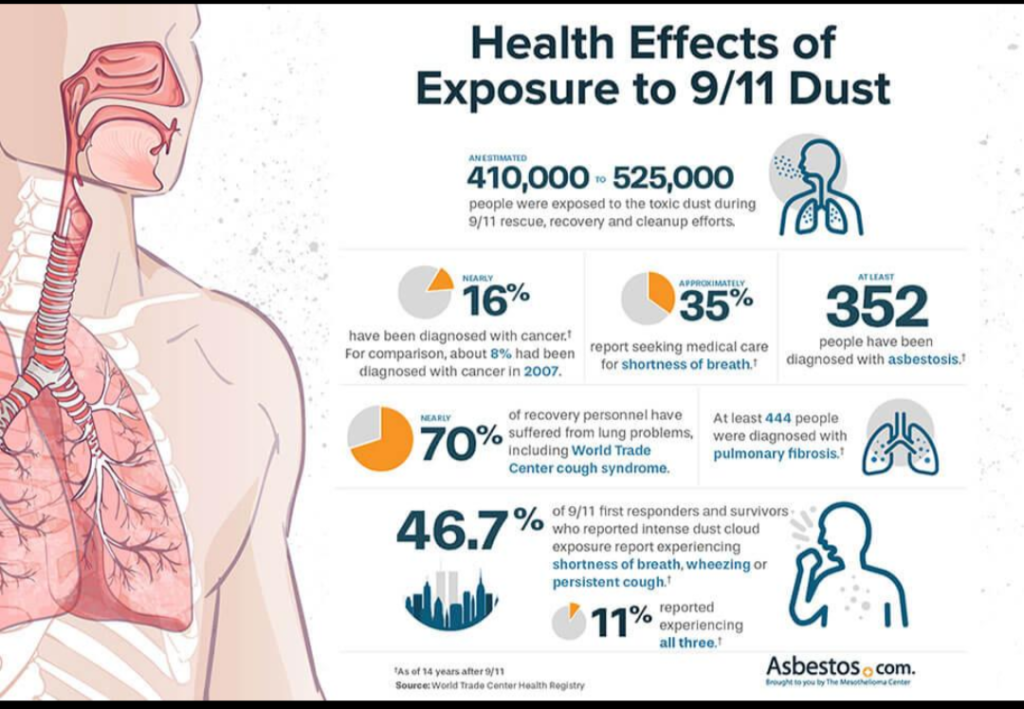
Roughly 25,000 children lived or attended school in lower Manhattan at the time, with thousands more in surrounding areas. Many were infants, toddlers, or unborn. They were exposed to the massive toxic cloud and dust containing pulverized concrete, glass fibers, asbestos, heavy metals, and other pollutants in the days and weeks after the towers collapsed. While extensive research and care programs have focused on first responders and adult survivors, very few of these younger individuals were enrolled in long-term monitoring studies.
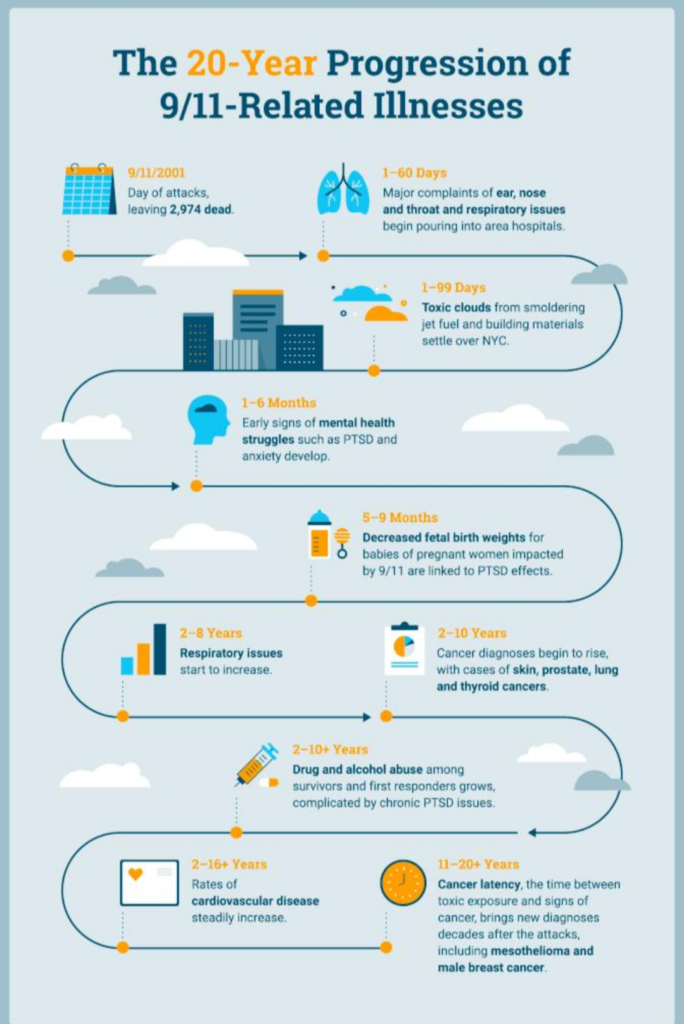
As this group reaches their 30s and early 40s — ages when chronic diseases often emerge — scientists aim to fill critical knowledge gaps. Priority research areas include respiratory health and lung development, reproductive health, brain development, mental health, and behavioral outcomes. Earlier smaller studies have already suggested higher rates of asthma, elevated toxin levels in blood years later, and increased risks of depression among those exposed as children.
Congress directed the creation of this cohort in 2022. The CDC is seeking applications to set up a World Trade Center Youth Research Coordinating Center, with projected funding around $50 million. Formal research is expected to ramp up once a sufficient number of participants are enrolled, with activities targeted to begin around mid-2027.
The initiative is seen as a vital step to better understand, diagnose, and treat potential 9/11-related health conditions in this overlooked population and to inform future disaster response and public health strategies.
Eligible individuals and the public can monitor updates through the official World Trade Center Health Program website.
Reuters, CDC/NIOSH announcements, World Trade Center Health Program, Chalkbeat, and related reports (as of September 10-11, 2026).