








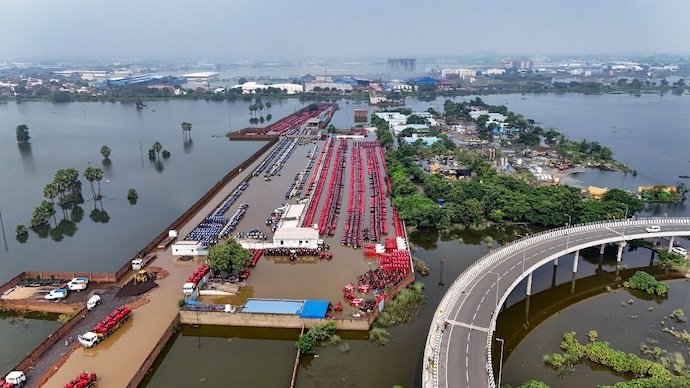
Bihar’s flood situation has taken a serious turn, with several major rivers continuing to flow above danger levels and large parts of the state facing the impact of rising waters. The Ganga, Gandak, Kosi, Budhi Gandak, Punpun and Ghaghra have all recorded high water levels at different stretches, increasing pressure on communities living in vulnerable areas.
The latest reports indicate that around 46 lakh people across 15 districts have been affected, as floodwaters continue to disrupt daily life and damage homes, roads and agricultural areas. Rescue and relief teams are working to reach people in inundated and isolated locations, while affected families are seeking food, drinking water, shelter and medical assistance.
The situation is particularly concerning because Bihar has experienced significant flooding despite receiving below-normal seasonal rainfall. Experts point to a combination of high upstream river flows, intense localised rainfall and the unusually high level of the Ganga. The elevated Ganga has also created a backwater effect, making it difficult for some tributaries to drain properly and worsening waterlogging in surrounding areas.
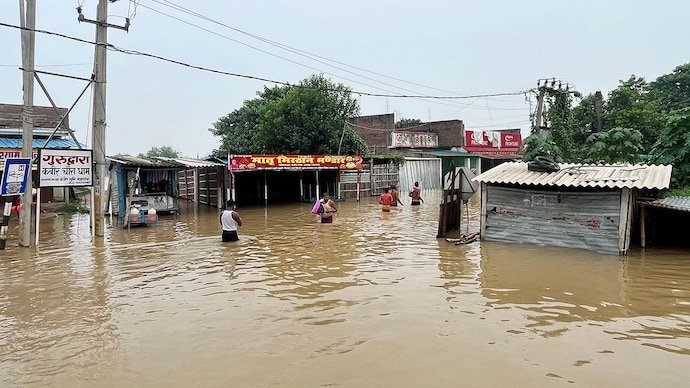
For families caught in the flood-hit regions, the crisis is not only about rising water but also the loss of homes, crops, livestock and sources of income. With water remaining high, continued rescue operations and timely delivery of essential supplies remain critical.
The Bihar floods have once again highlighted the state’s long-standing vulnerability to river flooding and the need for stronger early-warning systems, better drainage, floodplain management and coordinated river-basin planning to protect communities in the future. Bihar is witnessing a worsening flood situation as swollen rivers continue to spread across low-lying areas, affecting homes, farmland, roads and local communities. The rising water has forced many families to move to safer places, while those remaining in affected villages are facing growing difficulties in accessing food, drinking water, electricity and other basic necessities.The floodwaters have caused major disruption to everyday life, with several villages becoming difficult to access by road. Agricultural fields have been inundated, raising concerns over crop losses and the livelihoods of farming families. For many residents, the disaster has brought not only immediate safety concerns but also uncertainty over how they will rebuild their lives after the waters recede.
Children and elderly residents remain among the most vulnerable during the crisis. Families are also struggling to protect livestock and essential belongings as water levels rise around residential areas. In several flood-hit locations, people are depending on boats and emergency services to move to safer areas and receive relief supplies.Authorities and disaster-response teams are continuing rescue and relief operations in affected regions. Emergency shelters, food distribution and medical assistance are particularly important for communities that have been cut off by floodwaters. Local volunteers and relief workers are also playing a key role in helping families facing shortages of essential supplies.
The flood crisis has also renewed concerns about Bihar’s long-term vulnerability to river flooding. The state’s extensive network of rivers, embankments and low-lying settlements makes flood management a major challenge, particularly when river levels rise rapidly.Beyond immediate rescue efforts, experts and communities continue to stress the importance of stronger flood forecasting, timely evacuation warnings, improved drainage, embankment maintenance and coordinated management of river basins. Such measures could help reduce the impact of future flooding and provide greater protection for people living in vulnerable areas.For thousands of affected families, however, the priority remains simple: safety, shelter, food and a safe return home. As relief operations continue, the coming days will be crucial in determining how quickly affected communities can recover from the devastating floods.