







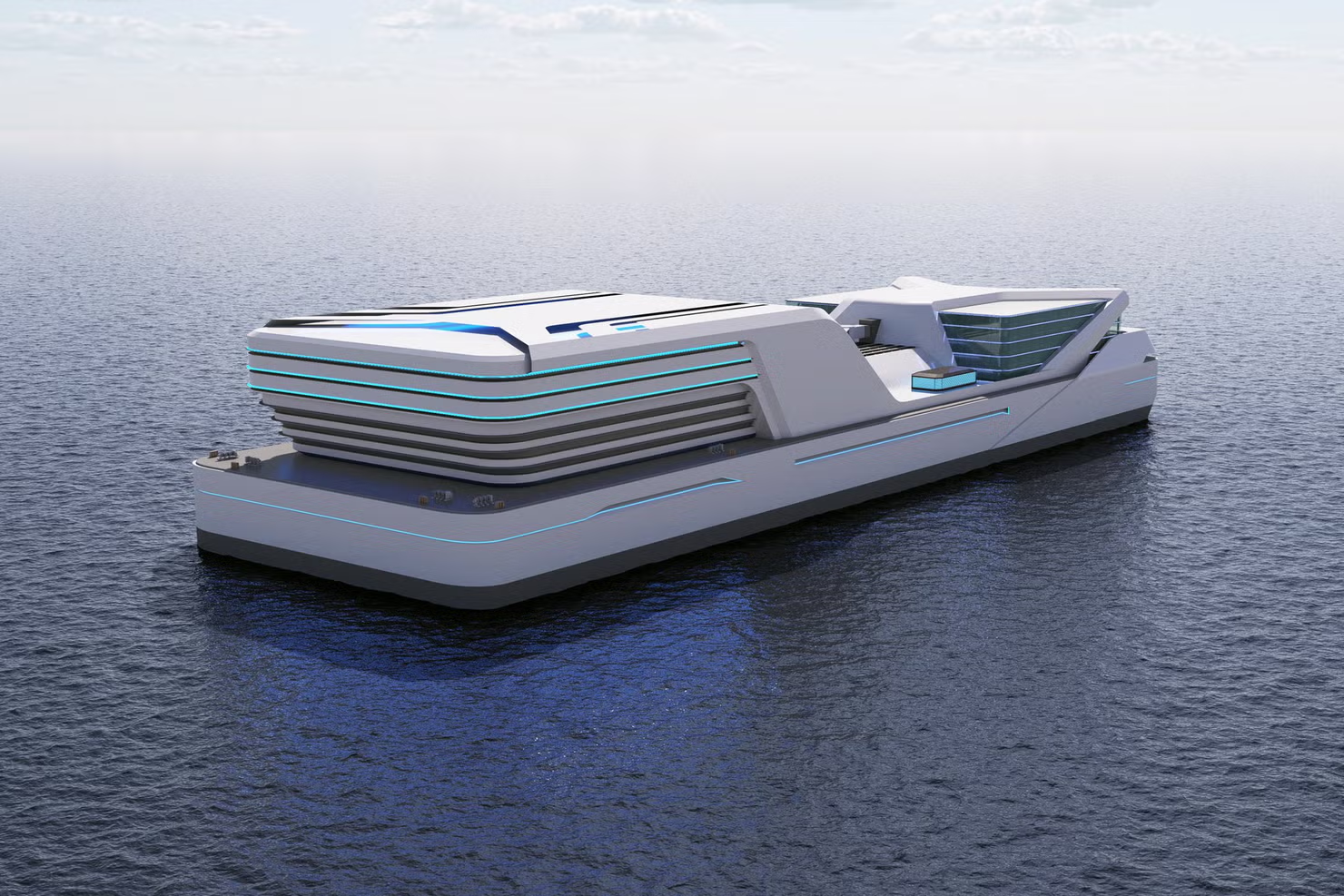
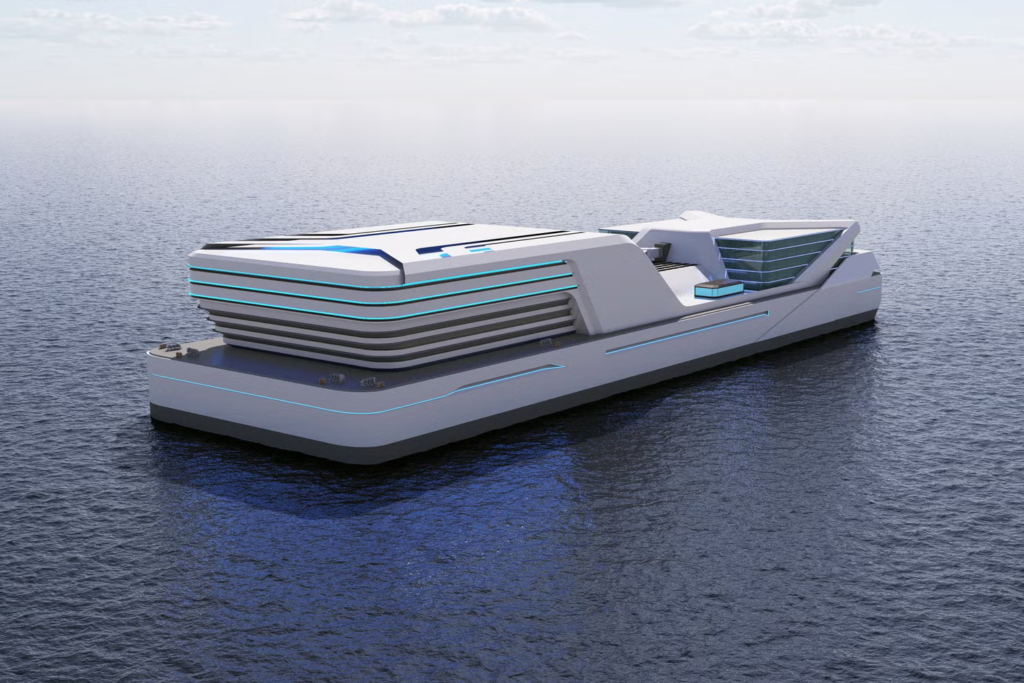
Samsung is exploring an innovative concept that could reshape the future of data center infrastructure: floating data centers designed to support the rapidly growing demands of artificial intelligence and advanced computing. The proposed approach focuses on moving some computing infrastructure offshore and potentially using seawater as part of the cooling solution.The idea comes at a time when AI applications are driving a sharp increase in demand for powerful computing systems. Modern AI data centers require large amounts of electricity and generate significant heat, making efficient cooling one of the biggest challenges for technology companies. Traditional data centers often depend on sophisticated cooling systems, which can also require substantial water resources.
Samsung’s floating data center concept aims to address some of these challenges by taking advantage of the surrounding marine environment. Seawater could potentially play a role in cooling high-performance computing equipment, reducing dependence on freshwater-based cooling systems. This could become particularly important as concerns grow over the environmental impact and resource consumption of large-scale AI infrastructure.
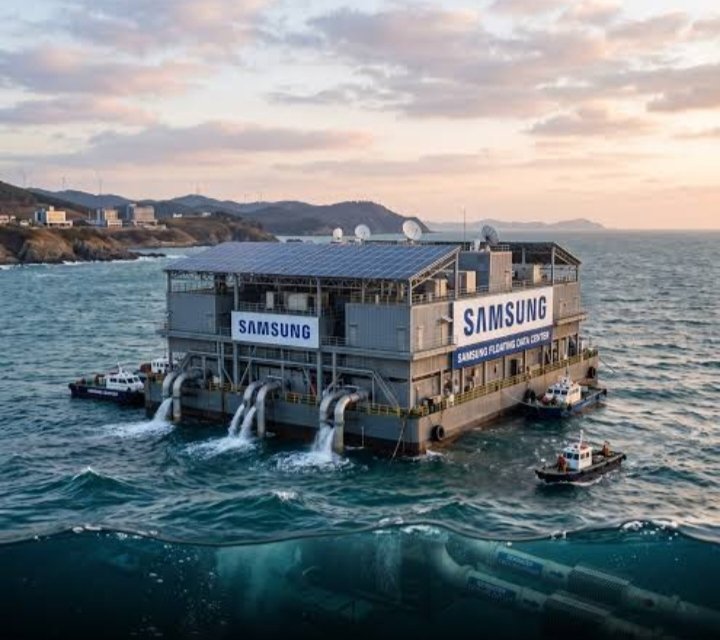
The concept also points toward a broader shift in the technology industry, where companies are looking for new ways to build sustainable infrastructure without compromising computing performance. Offshore facilities could offer additional space for future data center expansion while opening the door to alternative cooling and energy strategies.
However, operating sophisticated computing facilities at sea would also present major engineering challenges, including protection from harsh marine conditions, reliable power supply, maintenance, connectivity and long-term equipment durability. Developing practical solutions for these issues would be essential before floating AI data centers could become a large-scale reality.
As artificial intelligence continues to transform industries ranging from healthcare and finance to entertainment and manufacturing, the need for next-generation computing infrastructure is expected to grow. Samsung’s exploration of floating data centers highlights how technology companies are increasingly looking beyond conventional facilities to find more efficient and potentially sustainable ways to power the AI era.
If the concept advances successfully, floating AI data centers could become an important example of how innovative engineering, advanced computing and environmental considerations can come together to shape the next generation of digital infrastructure.