








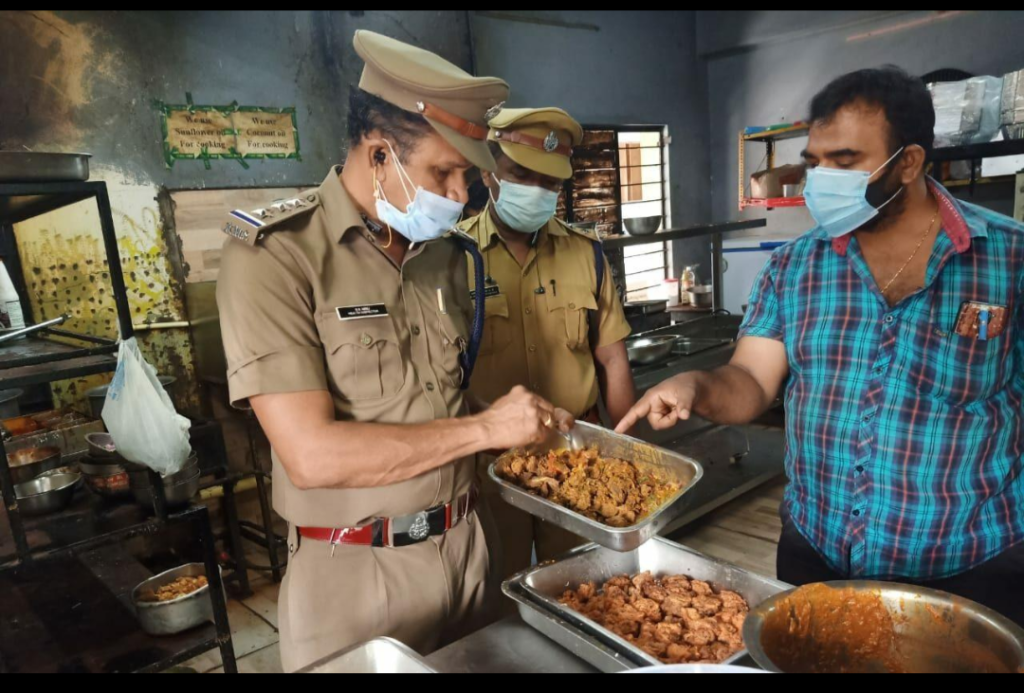
India is witnessing one of its most intense food safety crackdowns in recent years. Regulators across the country, led by the Food Safety and Standards Authority of India (FSSAI) and state Food and Drug Administration (FDA) departments, have ramped up surprise inspections of restaurants, hotels, eateries, cloud kitchens, and even quick-commerce warehouses.
The drive targets hygiene violations, unsafe food handling practices, pest infestations, use of expired or adulterated ingredients, improper storage, and misleading labelling or claims on food products. The intensified checks come amid rising public concerns over food quality, amplified by social media complaints and videos of unhygienic kitchens.
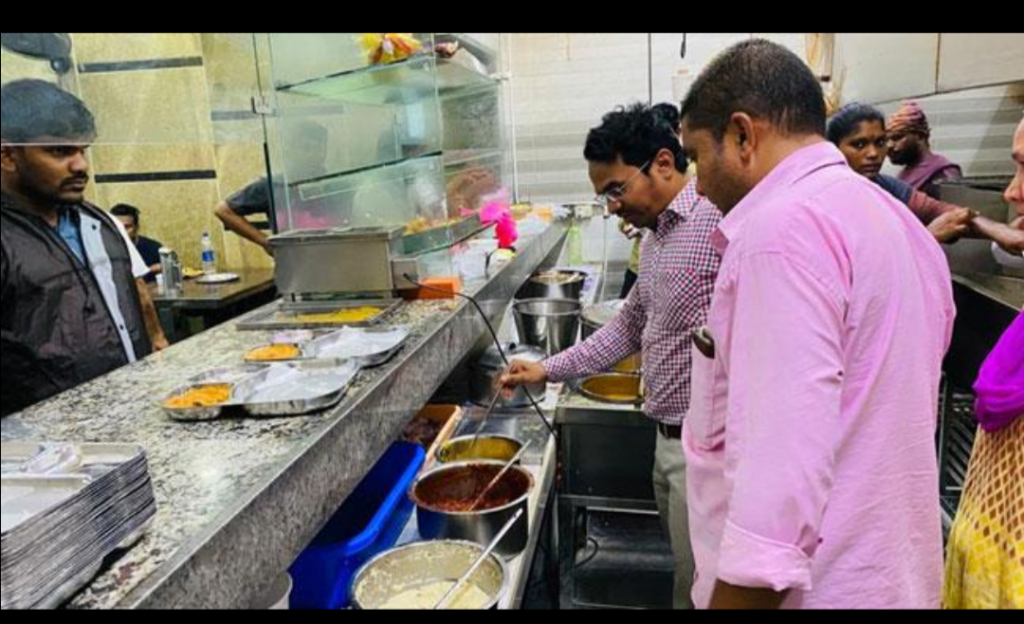
The enforcement push has gained significant momentum since May 2026, particularly in Maharashtra under Food Commissioner Tukaram Mundhe. His teams have conducted thousands of inspections, suspended over 160 licences by end-July, issued hundreds of improvement notices, and seized large quantities of unsafe food.
Similar drives are underway in Karnataka (including 30 special teams in Bengaluru), Delhi, Telangana (Hyderabad), and other states. High-profile outlets — from popular chains like Domino’s, Pizza Hut and McDonald’s to upscale clubs, five-star hotels, and traditional eateries — have faced temporary suspensions or notices. Quick-commerce players such as Blinkit, Zepto and Swiggy Instamart have also seen warehouse permits suspended over hygiene lapses.
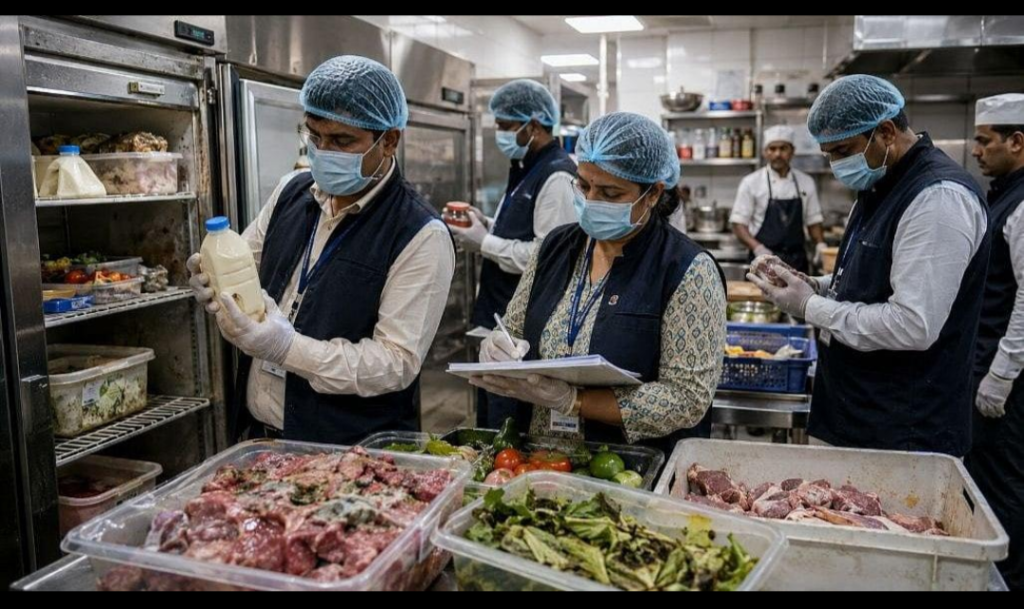
FSSAI has highlighted the scale of the challenge: India has 1.4 billion people consuming nearly 1.5 trillion meals every year. Nearly 8,000 food business licences have been cancelled in the last three years, and roughly one in five tested food samples continue to be found unsafe, substandard or misbranded.Authorities are also cracking down on misleading advertisements, false nutritional claims, and improper labelling in the packaged food sector, which is valued at over $100 billion.
Inspectors have frequently reported:Pest infestations (cockroaches, rats, flies)Expired or adulterated ingredients (including paneer, oils, and spices)Unhygienic kitchens, storage areas and equipmentImproper temperature control and cross-contamination risksMisbranding, fake expiry dates, and incorrect nutritional informationInadequate segregation of vegetarian and non-vegetarian itemsIn one recent case, FSSAI officials seized 1,300 kg of adulterated paneer in Uttar Pradesh. Large quantities of unsafe food worth crores have been destroyed in multiple states.
Restaurants, hotels and food businesses are responding by strengthening internal audits, staff training (including FOSTAC certification), and documentation. Compliance-related queries to consultants have risen sharply (around 40% in some reports since July). Industry bodies have sought clearer processes under the Food Safety and Standards Act, especially regarding improvement notices before licence suspension.The crackdown signals a shift toward stricter, more visible enforcement rather than sporadic action. While it has caused short-term disruptions, it aims to raise overall standards and rebuild consumer trust.