





ndia’s popular destinations are beautiful, but there is another side of the country waiting beyond the usual tourist routes. Remote Himalayan valleys, tribal villages, ancient temple towns, unusual coastal settlements and pristine islands offer experiences that feel very different from a conventional holiday.
Here are 12 offbeat destinations worth discovering, along with the best time to visit, how to reach, places to explore and useful travel tips.
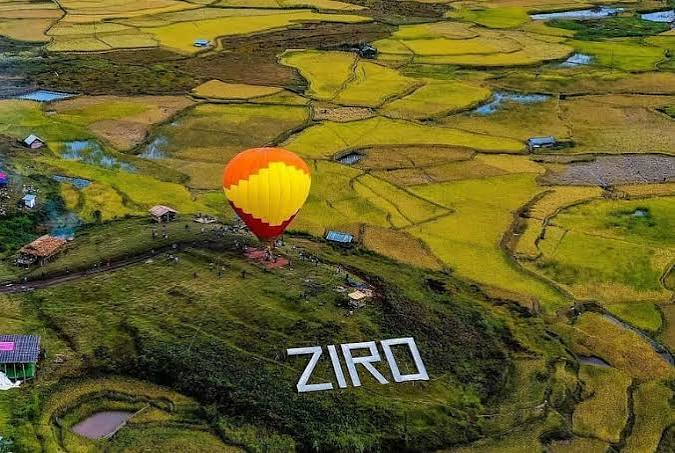
1. Ziro Valley, Arunachal Pradesh
Why visit: Rice fields, pine forests, mountain scenery and the distinctive culture of the Apatani community make Ziro one of Northeast India’s most atmospheric destinations.
Best time: March to October. The Ziro Music Festival is generally held around September or October.
How to reach: The nearest major airport is at Donyi Polo Airport near Itanagar; Ziro can then be reached by road. It can also be approached by rail via nearby stations followed by a road journey.
Places to visit: Ziro villages, Apatani settlements, rice fields and nearby forest areas.
Travel tip: Check Arunachal Pradesh entry-permit requirements before travelling and keep some flexibility in your itinerary because mountain-road conditions can change.
2. Majuli, Assam
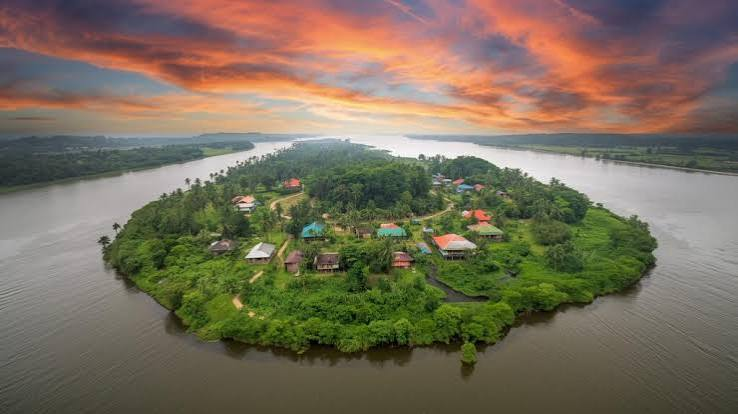
Why visit: This Brahmaputra river island is known for Assamese culture, satras, handicrafts and a relaxed rural atmosphere.
Best time: October to March.
How to reach: Travel to Jorhat and continue to Nimati Ghat, from where ferries connect with Majuli.
Places to visit: Auniati Satra, Kamalabari Satra, local villages and traditional craft centres.
Travel tip: Ferry schedules can be affected by river conditions, so avoid planning a tightly packed itinerary around your crossing.
3. Kongthong, Meghalaya
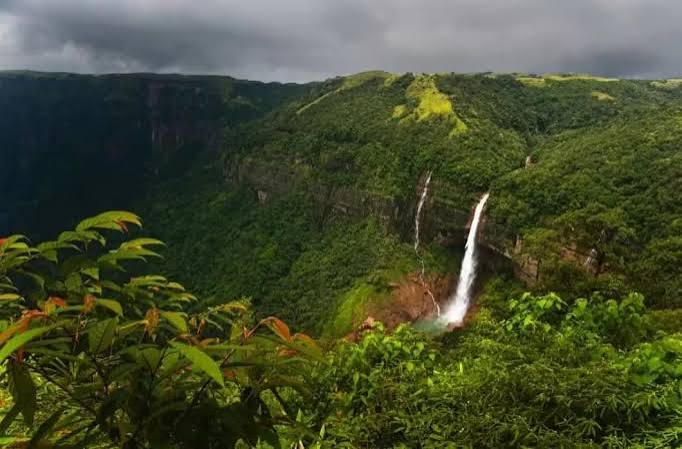
Why visit: Known as India’s “Whistling Village,” Kongthong is famous for a remarkable tradition in which people are given distinctive melodic tunes used alongside their conventional names.
Best time: October to May.
How to reach: Reach Shillong first and continue by road toward Kongthong.
Places to visit: Kongthong village, surrounding Khasi hills and nearby forest landscapes.
Travel tip: This is a community-based cultural experience, so ask permission before photographing residents or entering private areas.
4. Unakoti, Tripura
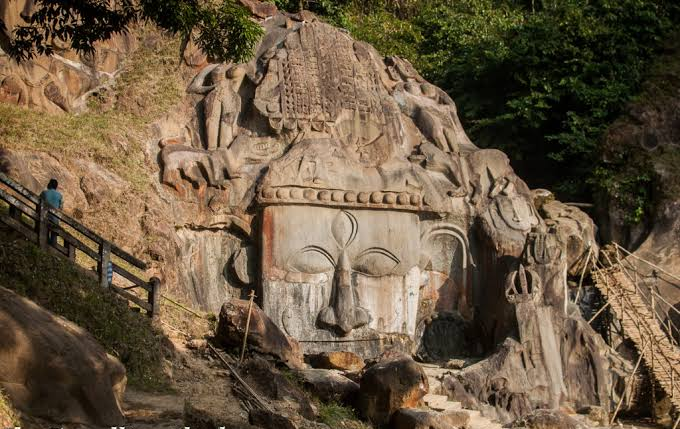
Why visit: Unakoti is famous for enormous rock-cut sculptures and carvings spread across a forested hillside.
Best time: October to April.
How to reach: Agartala is the main gateway; continue by road toward Kailashahar and Unakoti.
Places to visit: Unakoti rock carvings, Shiva sculptures and surrounding hiking areas.
Travel tip: Wear comfortable footwear because exploring the site involves walking over uneven terrain.
5. Velas, Maharashtra
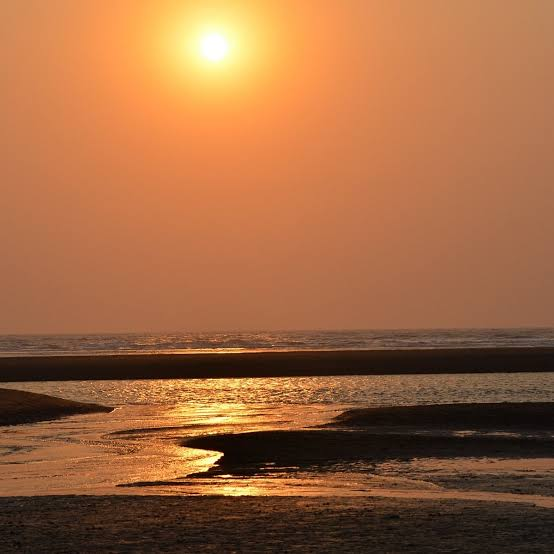
Why visit: Velas is particularly known for Olive Ridley turtle conservation and its quiet Konkan coastline.
Best time: March to April for the turtle-hatching season.
How to reach: Velas is accessible by road from Mumbai or Pune, with the final stretch requiring a local road journey.
Places to visit: Velas Beach, Bankot Fort and nearby Harihareshwar.
Travel tip: Turtle sightings are never guaranteed. Follow local conservation instructions and maintain a respectful distance from nesting or hatchling turtles.
6. Gokarna, Karnataka
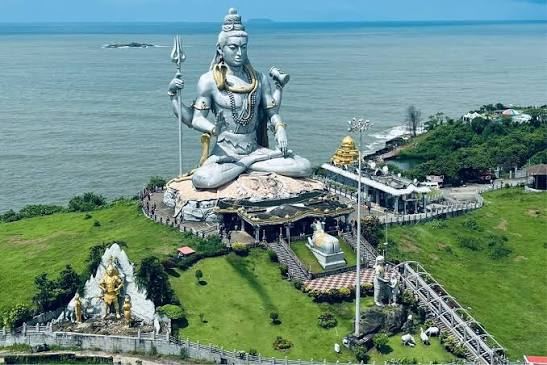
Why visit: Gokarna combines beaches, temples, coastal walks and a more relaxed atmosphere than many major beach destinations.
Best time: October to March.
How to reach: Gokarna has rail connectivity and can also be reached by road from Goa, Mangaluru and other Karnataka cities.
Places to visit: Om Beach, Kudle Beach, Half Moon Beach and Mahabaleshwar Temple.
Travel tip: Some beach routes involve steep or uneven walking trails, so carry suitable footwear and water.
7. St. Mary’s Islands, Karnataka
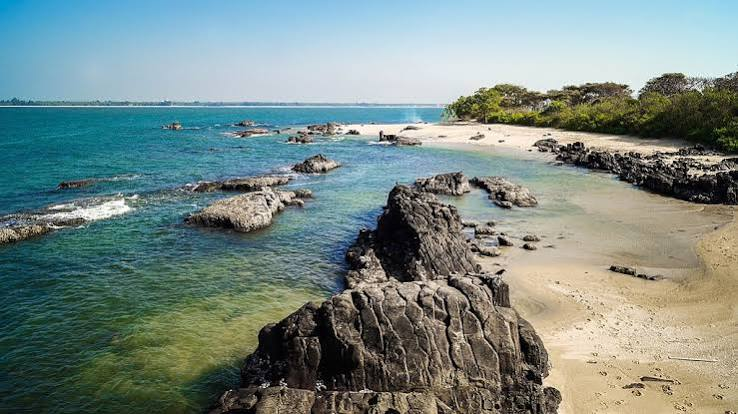
Why visit: The islands are famous for striking hexagonal basalt formations created by ancient volcanic activity.
Best time: October to January, subject to boat operations and local conditions.
How to reach: Reach Malpe near Udupi and take a permitted boat service to the islands when services are operating.
Places to visit: Basalt formations, coastline and surrounding Arabian Sea views.
Travel tip: Check whether boat services are operating before making the trip. Avoid removing rocks, shells or other natural material from the site.
8. Gurez Valley, Kashmir
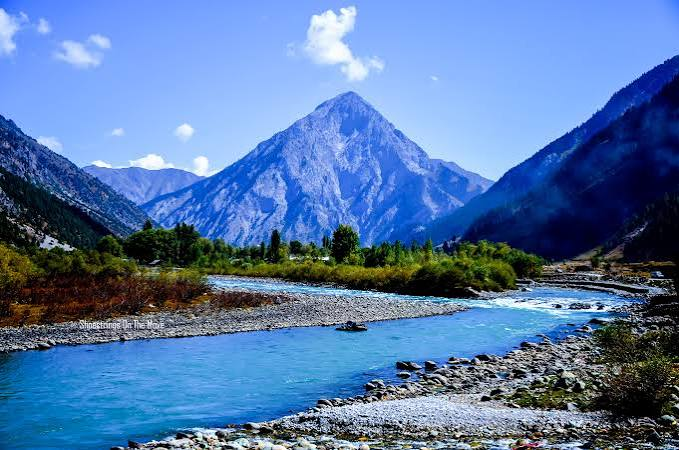
Why visit: Snow-covered mountains, rivers, meadows and traditional villages make Gurez a compelling destination for travellers seeking a quieter Himalayan experience.
Best time: June to September, when access is generally possible.
How to reach: Travel from Srinagar through Bandipora and onward by road. Gurez does not have its own airport or railway station.
Places to visit: Dawar, Kishanganga River, Razdan Pass and nearby mountain landscapes.
Travel tip: Check current road conditions, local travel advisories and permit requirements before leaving Srinagar.
9. Zanskar, Ladakh
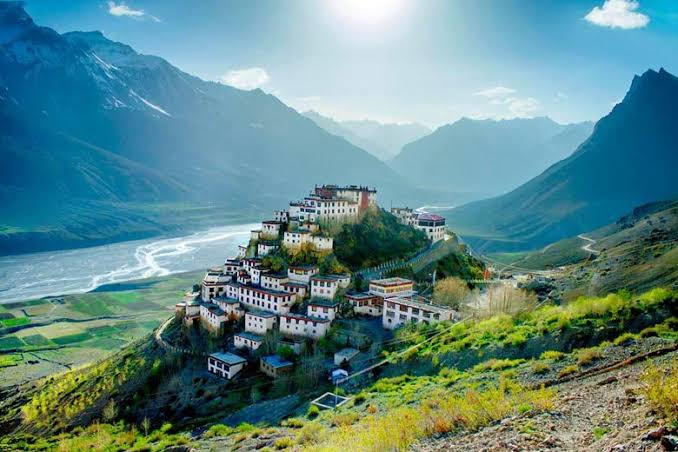
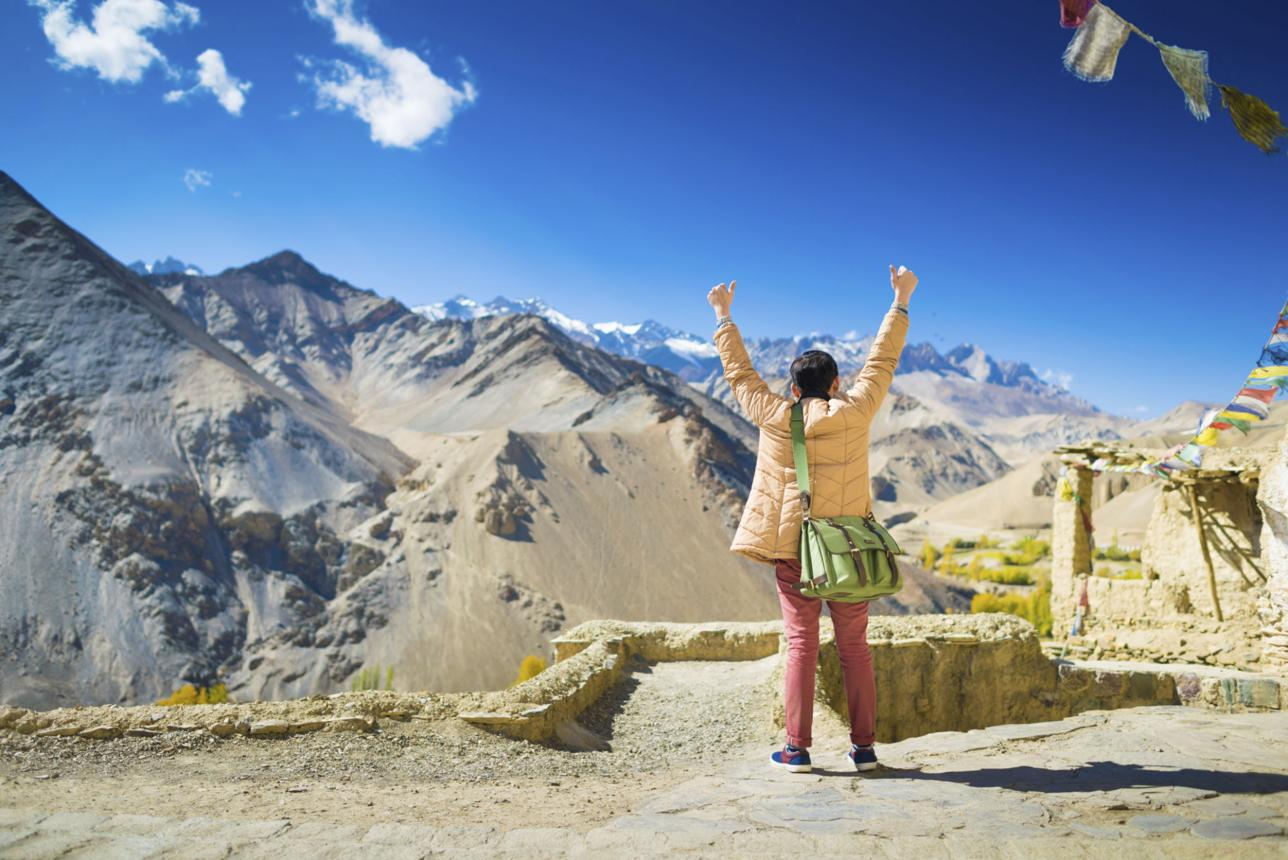
Why visit: Zanskar offers enormous mountain landscapes, remote villages, monasteries and adventure opportunities far from the busiest Ladakh routes.
Best time: July to September for many road-based trips.
How to reach: Zanskar can be approached from Kargil or through the Darcha–Padum road, depending on route and conditions.
Places to visit: Padum, Phugtal Monastery, Drang Drung Glacier and Pensi La.
Travel tip: Give yourself time to acclimatise to high altitude and avoid rushing between destinations. Weather and road conditions can change quickly.
10. Bastar, Chhattisgarh
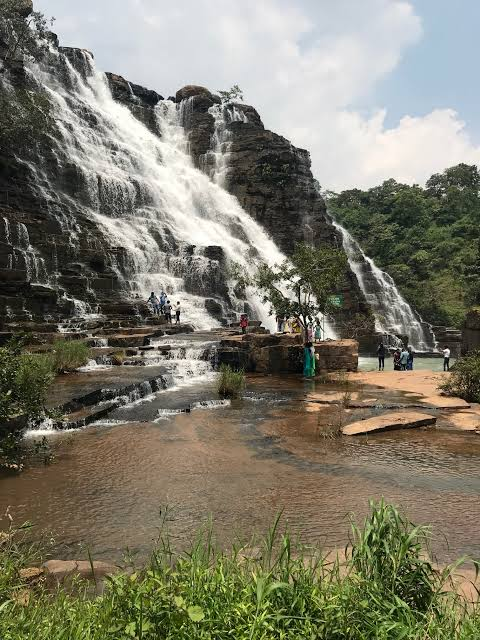
Why visit: Bastar combines waterfalls, forests, caves, handicrafts and a rich indigenous cultural heritage.
Best time: October to February.
How to reach: Jagdalpur is the main base. Travellers can reach it by road, rail or via nearby air connections, depending on current services.
Places to visit: Chitrakote Falls, Tirathgarh Falls, Kanger Valley National Park and local craft markets.
Travel tip: Hire local guides for forest and cultural excursions and check local advisories before travelling to remote areas.
11. Mon, Nagaland
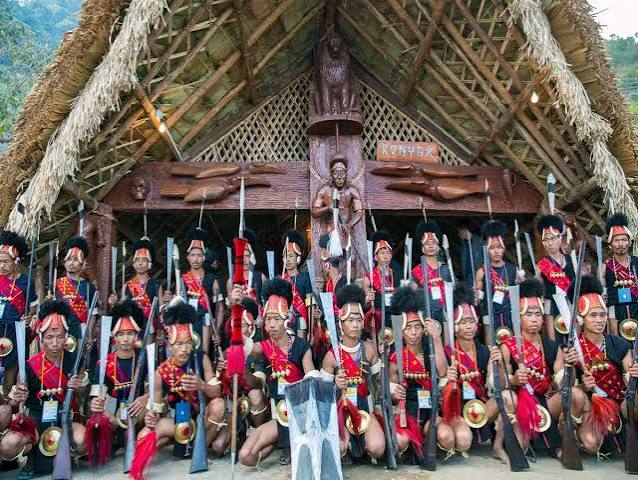
Why visit: Mon district offers an opportunity to experience Konyak Naga heritage, traditional villages and Nagaland’s hill landscapes.
Best time: November to April.
How to reach: Dibrugarh or Jorhat can serve as gateways, followed by a road journey toward Mon.
Places to visit: Longwa, Shangnyu and surrounding villages.
Travel tip: Nagaland has entry requirements for visitors, so arrange the necessary permit before travelling. Respect village customs and always ask before photographing people or ceremonies.
12. Lakshadweep
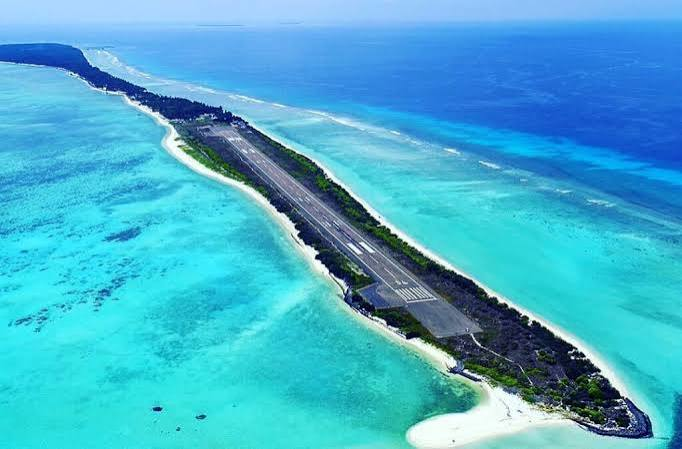
Why visit: Coral reefs, lagoons, beaches and island culture make Lakshadweep one of India’s most distinctive tropical escapes.
Best time: October to February, when sea conditions are generally more favourable for many activities.
How to reach: Kochi is the principal gateway, with flights and ship services connecting the mainland with the islands; Agatti has the archipelago’s airport.
Places to visit: Agatti, Bangaram, Kadmat and Minicoy, depending on permitted tourist access.
Travel tip: An entry permit is required, and visitors should check the latest island-specific rules before booking. Because the marine environment is fragile, avoid touching coral or leaving waste behind.
Smart Travel Tips for Offbeat India
Plan transport carefully: Remote destinations may have fewer buses, taxis, ferries and flights than mainstream tourist centres.
Check permits: Arunachal Pradesh, Nagaland, Ladakh and Lakshadweep can have specific entry or permit requirements.
Keep cash available: Digital payments may not work reliably in remote villages and mountain regions.
Respect local communities: Ask before taking photographs and follow local customs, especially in tribal and village areas.
Don’t depend entirely on mobile connectivity: Download maps, save important contacts and keep offline copies of bookings.
Pack for the destination: Mountain trips may require warm layers and proper shoes, while island travel calls for sun protection and light clothing.
Travel responsibly: Carry reusable water bottles, avoid single-use plastic and never remove rocks, coral, shells or other natural materials.