








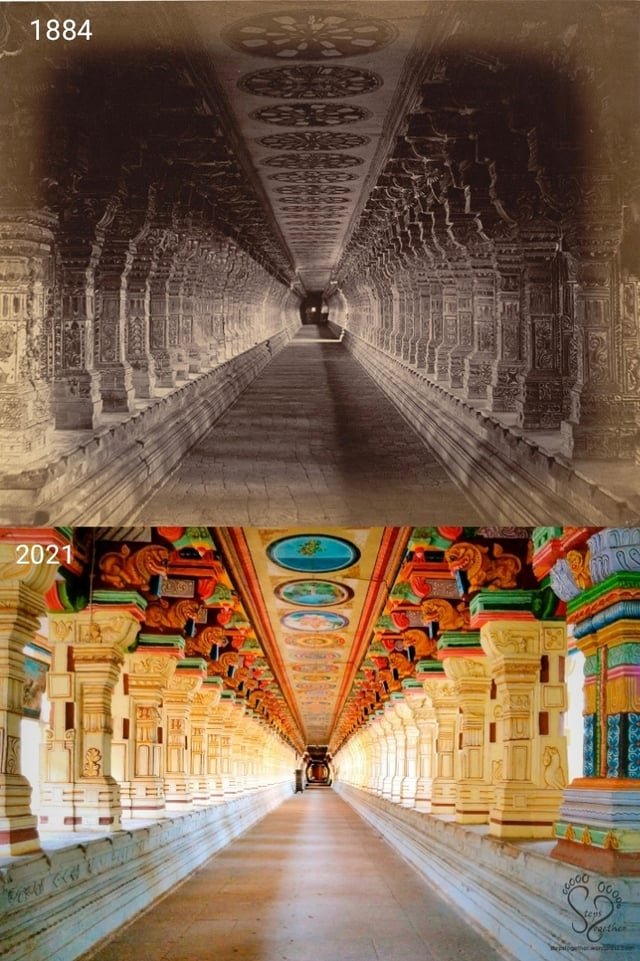
The Sri Ramanathaswamy Temple in Rameswaram, Tamil Nadu, stands as one of India’s most remarkable examples of temple architecture. Dedicated to Lord Shiva, the temple is also one of the revered 12 Jyotirlinga shrines and attracts pilgrims and tourists from across the country.
One of the temple’s biggest attractions is its extraordinary network of corridors lined with beautifully carved pillars. The Ministry of Tourism’s Incredible India portal describes the temple as having a corridor stretching about 1,200 metres, with 1,212 pillars, making it an exceptional architectural landmark.
The temple’s famous Third Corridor is particularly impressive. Rameswaram Municipality records its dimensions at around 197 metres from east to west and 133 metres from south to north, and describes it as the longest such corridor in Asia.
The architecture is notable not only for its enormous scale but also for the detailed stone work. Each pillar and section of the corridor reflects the craftsmanship of the artisans who contributed to the temple’s development over several centuries.
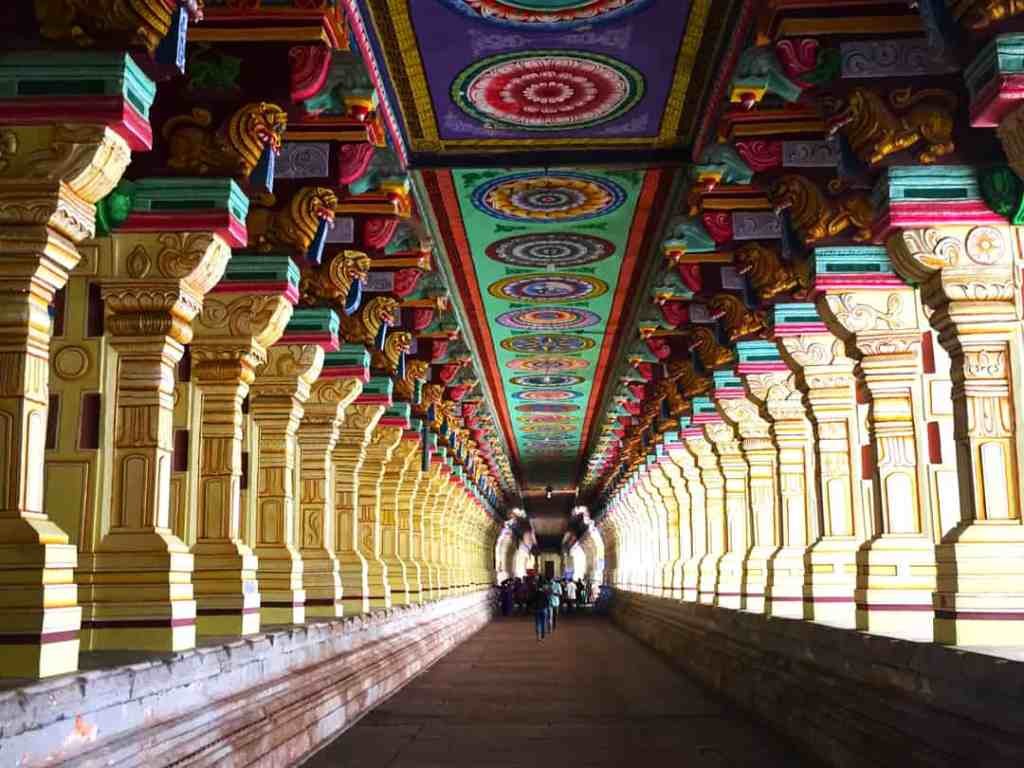
The temple’s history goes back many centuries, with different rulers and patrons contributing to its construction and expansion. The official temple history notes major phases of development from the medieval period onward, including contributions from the Sethupathi rulers.
Today, the Ramanathaswamy Temple remains both an important pilgrimage destination and a major heritage attraction. Its massive corridors, sculpted pillars, towering gopurams and spiritual significance make it one of the most fascinating places to visit in Tamil Nadu.
The viral image comparing the 1890-era view with the present-day corridor highlights how the architectural legacy of Rameswaram continues to fascinate visitors even after generations. While old photographs offer a glimpse into the past, the temple’s grand corridors continue to stand as a powerful reminder of India’s historic architectural traditions.