









Japanese heel raises, also known as ballerina raises, are gaining attention as a simple exercise that can be performed at home or during short breaks at work. The movement requires no gym equipment and mainly targets the calf muscles, which play an important role in walking, balance and ankle stability.
What Are Japanese Heel Raises?
Japanese heel raises involve lifting the heels off the floor, balancing on the balls of the feet and slowly lowering the heels back down. While the movement resembles a traditional calf raise, the emphasis is on controlled movement, correct posture and consistency.
The exercise primarily works the gastrocnemius and soleus, two major muscles in the calf that help with everyday movements such as walking, climbing stairs and standing.
Benefits of Japanese Heel Raises
1. Strengthens Calf Muscles
Regular practice can help improve calf strength and muscular endurance. Stronger calf muscles support everyday activities and can contribute to better lower-leg function.
2. Supports Balance and Ankle Stability
The exercise challenges the muscles responsible for controlling ankle movement. When combined with other balance and strength exercises, it may help improve stability, particularly as people age.
3. Encourages Blood Flow
Contracting the calf muscles helps push blood through the veins in the lower legs towards the heart. Heel raises activate this natural muscle-pump mechanism, although they should not be considered a treatment for circulation disorders.
4. Fits Easily Into Daily Routines
Because the exercise requires little space and no special equipment, it can be included in a home workout or a short movement break during a sedentary workday. However, it should complement rather than replace regular physical activity.
How to Do Japanese Heel Raises Correctly
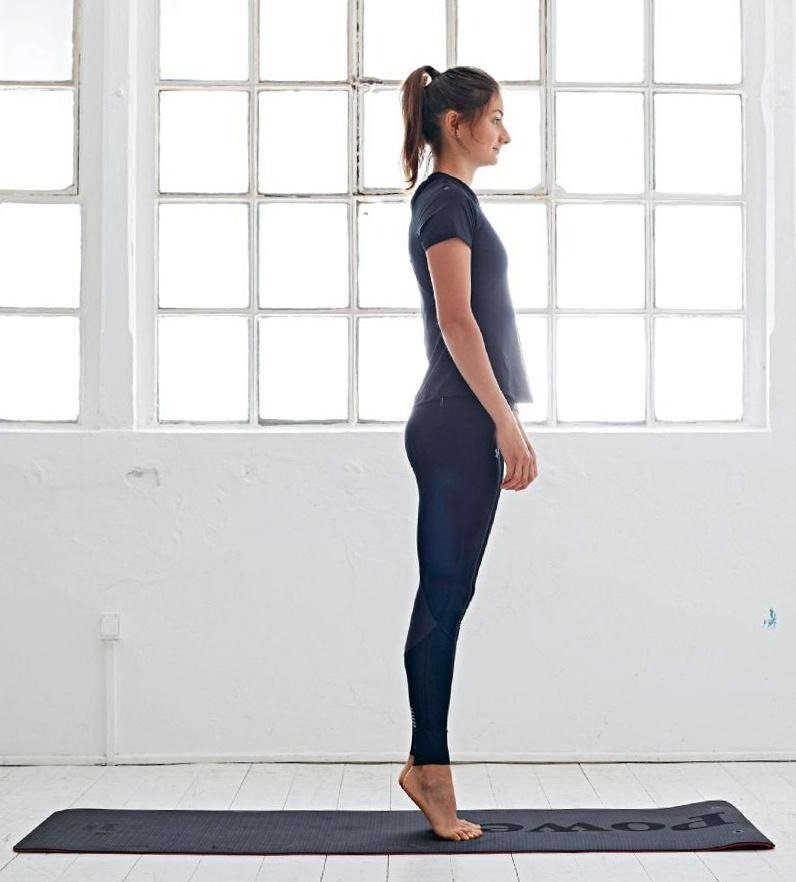
Step 1: Stand upright
Stand with your feet about hip-width apart and distribute your weight evenly. Keep your back straight and shoulders relaxed.

Step 2: Lift your heels
Slowly raise both heels and come onto the balls of your feet. Keep your body aligned and avoid leaning forward.
Step 3: Pause briefly
Hold the raised position for a moment while maintaining your balance. Avoid bouncing or rushing through the movement.
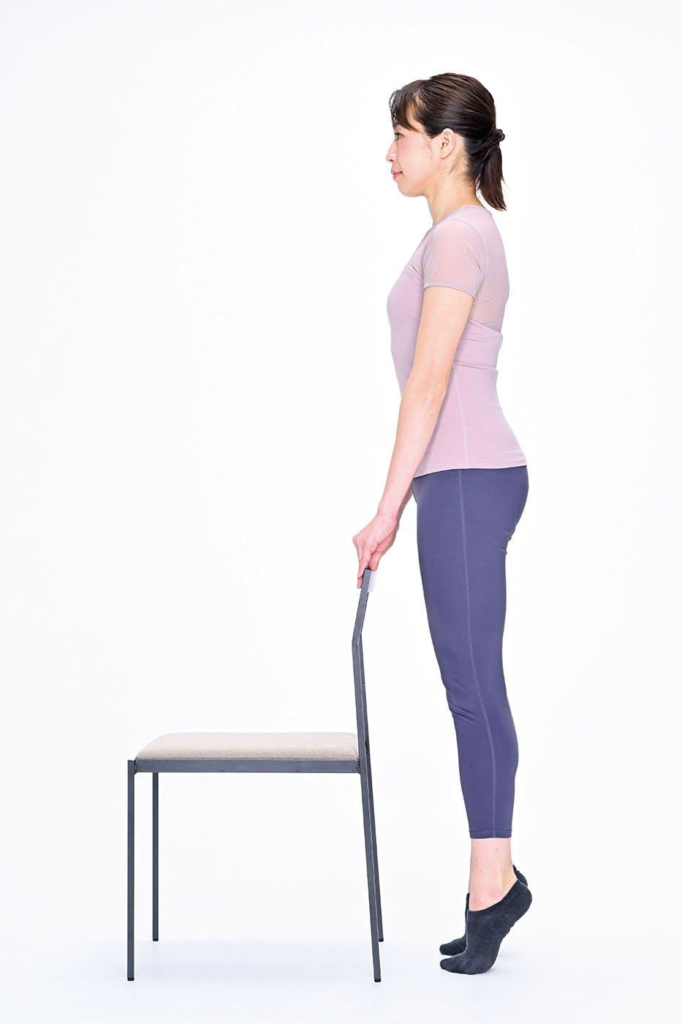
Step 4: Lower slowly
Return your heels to the floor in a controlled manner. Beginners can start with 10–15 repetitions and adjust according to comfort and ability.
Who Should Be Careful?
People with recent foot, ankle or Achilles tendon injuries, significant joint pain, balance difficulties or recent surgery should seek medical advice before trying the exercise. Beginners and older adults who feel unsteady can hold a sturdy chair or wall for support.
Stop if you experience sharp pain, dizziness or unusual discomfort. Increase repetitions gradually instead of pushing through pain.
Can This Exercise Replace a Full Workout?
No. Japanese heel raises can be a useful addition to a fitness routine, but they do not provide all the benefits of a balanced exercise programme. Walking, strength training, mobility exercises and balance activities remain important for overall fitness.
The key is to focus on correct technique and consistency. A few controlled repetitions can be a convenient way to add movement to your day, especially if you spend long hours sitting.