
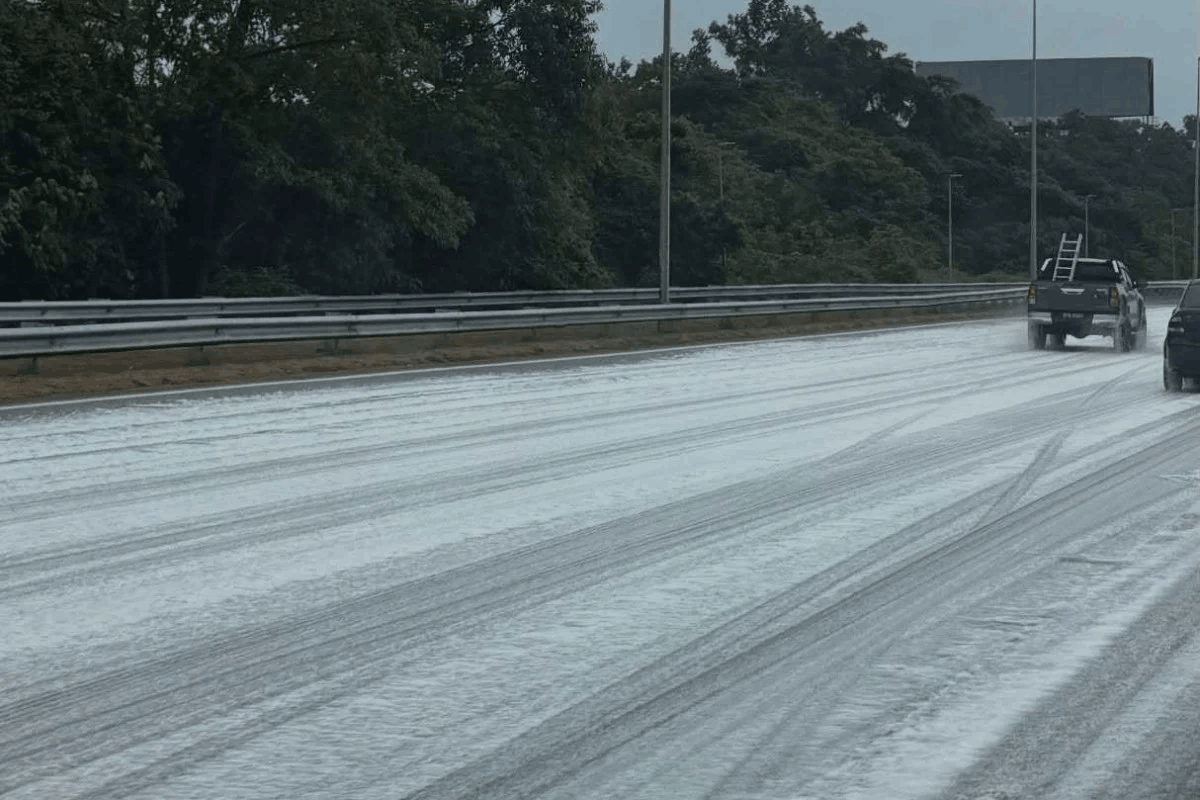







The rainy season can bring welcome relief from summer heat, but it can also disrupt everyday routines. For people managing diabetes, changes in physical activity, meal timings, travel and seasonal illnesses may make blood sugar management more challenging.
Why Monsoon Routines Can Change
Heavy rain can make outdoor exercise difficult and may lead people to spend more time indoors. Travel delays can also affect meal schedules and daily routines. These seemingly small changes can influence glucose levels.
Food Habits May Shift
Rainy weather can also change eating patterns. People may reach more often for comfort foods or adjust their meal timings because of changes in daily schedules. For people with diabetes, keeping meals and medication routines consistent can be an important part of overall management.
Illness Can Affect Glucose Levels
Seasonal infections and other illnesses can also make glucose levels less predictable. This is one reason people managing diabetes may need to pay closer attention to changes in their readings when they are unwell.
Why Continuous Monitoring Gets Attention
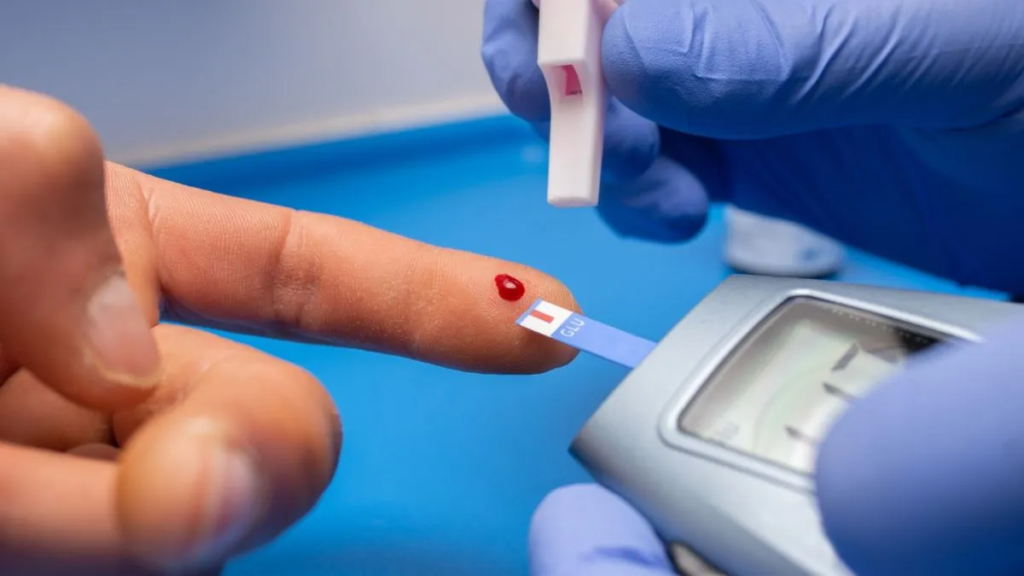
A conventional glucose reading provides information at a particular moment. Continuous glucose monitoring, or CGM, uses a sensor to track glucose levels over time, giving users a broader picture of how their readings change throughout the day.
Patterns Can Offer More Context
CGM can help show how glucose responds around meals, physical activity, stress and illness. Some systems can also provide alerts when glucose levels move beyond set ranges, depending on the device and its features.
Staying Consistent During the Rains
Maintaining regular meals, following prescribed treatment and staying appropriately active can help people keep their diabetes-management routine on track. Monitoring should be used according to guidance from a healthcare professional.
A Season to Pay Attention
Monsoon weather does not affect everyone with diabetes in the same way. However, disrupted routines can make glucose patterns harder to predict. Paying attention to changes and discussing unusual readings with a healthcare professional can help support safer diabetes management during the rainy season.