








Escalating tensions in the Middle East have driven global oil prices higher, with two major developments raising fresh alarms over energy supplies and maritime shipping routes.
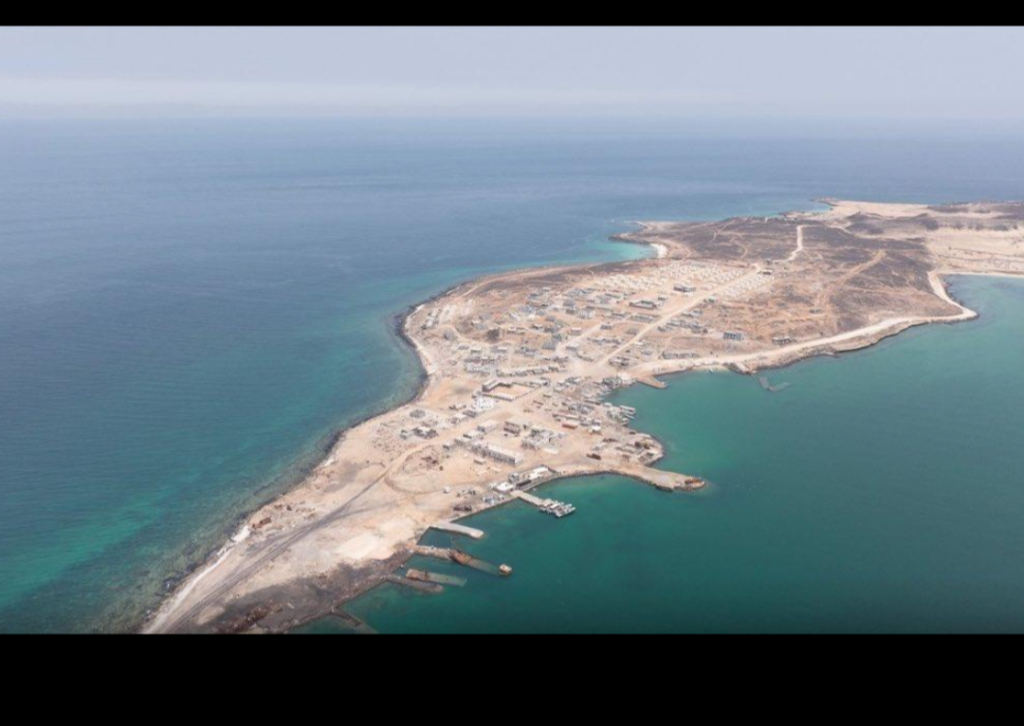
Saudi Arabia temporarily shut down its critical East-West oil pipeline after it was targeted by drones launched from Iraq. At the same time, Yemen’s Iran-aligned Houthi forces seized the strategic Mayun Island (also known as Perim) in the Bab al-Mandab Strait, consolidating control over a vital chokepoint at the southern entrance to the Red Sea.
Pipeline Attack and Shutdown
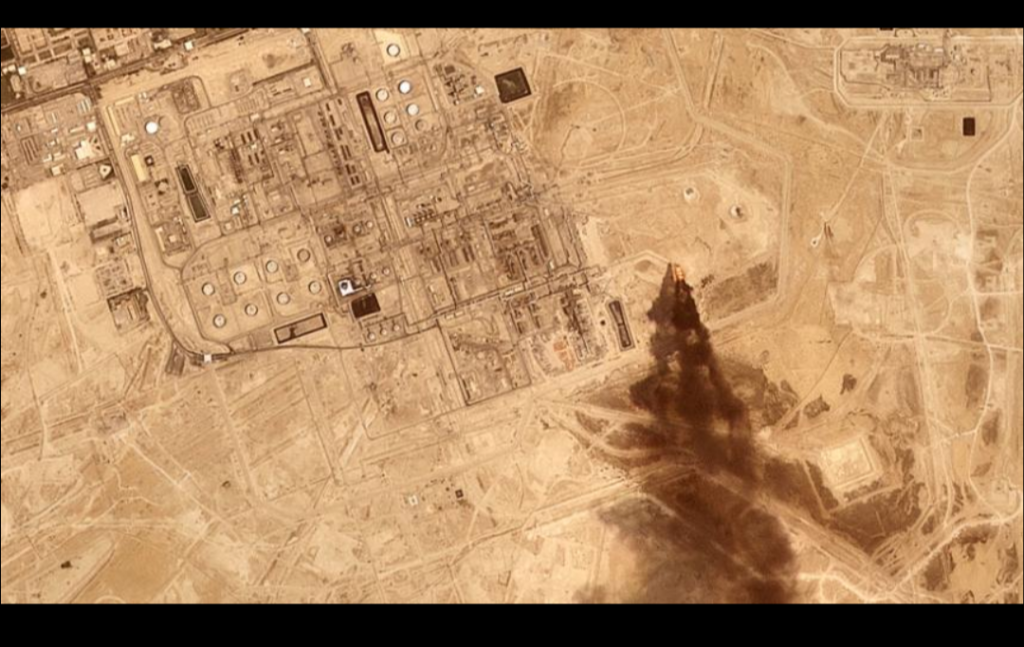
On Thursday (September 10–11, 2026), drones originating from Iraqi territory struck sections of the East-West pipeline in the Riyadh and Medina regions. The attacks caused fires, injuries, and damage. Saudi Arabia’s Ministry of Energy ordered a precautionary shutdown of the pipeline, which runs approximately 1,200 km from the kingdom’s eastern oil fields to the Red Sea port of Yanbu.
The East-West pipeline has a capacity of up to 7 million barrels per day and had been moving 4–5 million barrels daily in recent months—roughly 4–5% of global supply. It has become especially important as an alternative export route amid severe disruptions in the Strait of Hormuz linked to the broader US-Iran conflict.
Saudi Arabia strongly condemned the attack but said it would not retaliate for now, following a request from Iraq’s prime minister. Baghdad confirmed the drones were launched from its territory, dismissed a military commander in Maysan province, and launched an investigation. Riyadh reserved the right to take all necessary measures to protect its sovereignty and facilities.
In parallel, Houthi forces completed a rapid offensive along Yemen’s Red Sea coast. After capturing the port city of Mocha, they seized Mayun Island and other strategic islands (including parts of the Hanish group), effectively gaining control of the Bab al-Mandab area.
Mayun Island sits in the middle of the strait, a narrow waterway through which a significant share of global trade—including Saudi oil exports via the Red Sea—normally passes. The Houthis’ expanded control heightens risks to commercial shipping and provides greater leverage to disrupt or threaten tanker traffic.
Saudi Arabia has responded with airstrikes on Houthi positions, including in Mocha.
Market Impact and Broader Concerns
These developments have intensified supply worries at a time when the Strait of Hormuz remains heavily constrained. Oil prices have climbed above $100 per barrel, with Brent crude trading in the $104–110 range in recent sessions amid the dual pressure on Gulf and Red Sea routes.
Analysts note that the combination of pipeline disruption and heightened Houthi control over Bab al-Mandab reduces reliable alternative pathways for Middle East crude, particularly for Asian and European markets. Shipping companies face elevated risks, insurance costs, and potential further rerouting.
The events underscore the fragility of global energy supply chains amid the ongoing regional conflict. Markets and governments are closely monitoring whether the pipeline can be restored quickly and whether shipping through the Red Sea faces further interference.