





The Supreme Court of India on Thursday (September 10, 2026) dismissed a public interest litigation (PIL) challenging aspects of the country’s nationwide Human Papillomavirus (HPV) vaccination programme for adolescent girls, after the petitioner withdrew the plea.
A three-judge bench headed by Chief Justice of India Surya Kant, and comprising Justices Joymalya Bagchi and V. Mohana, refused to entertain the petition filed by the Universal Health Organisation (UHO), a Delhi-based forum of doctors and academics. The PIL had raised concerns about the manner of implementation, including alleged inadequate informed parental consent and the need for stronger monitoring of adverse events along with a compensation mechanism.
Counsel for the petitioner clarified at the outset that the plea was not opposed to vaccination itself but sought safeguards in the rollout. However, the bench was critical of the petition, observing that it appeared to have been filed with an ulterior motive and lacked bona fides. The court noted that the World Health Organisation recommends the HPV vaccine and that ordinary rules of compensation would apply in cases of any adverse events or incorrect administration.
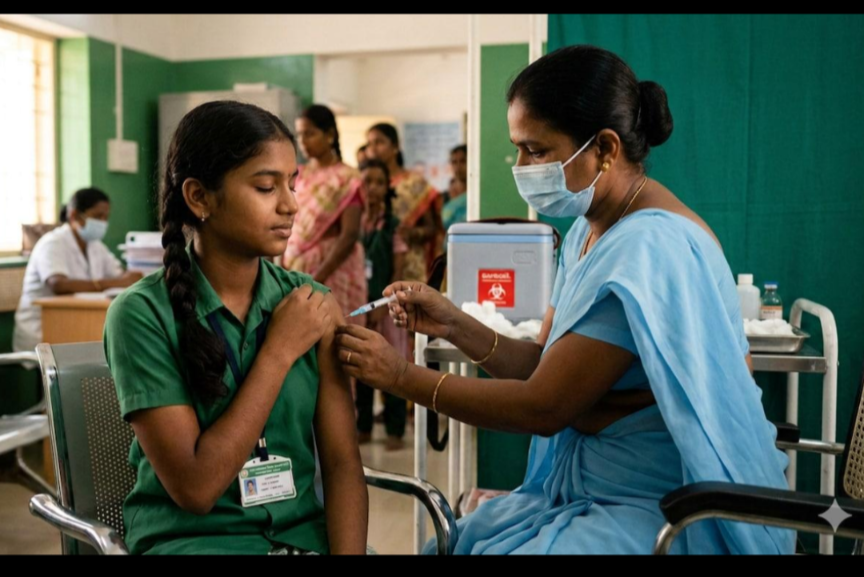
“It is a question of the health of millions of our daughters,” the Chief Justice remarked, cautioning against steps that could derail the public health initiative. The bench offered the counsel the option to withdraw the petition or face adverse observations. The plea was subsequently withdrawn and dismissed as withdrawn.
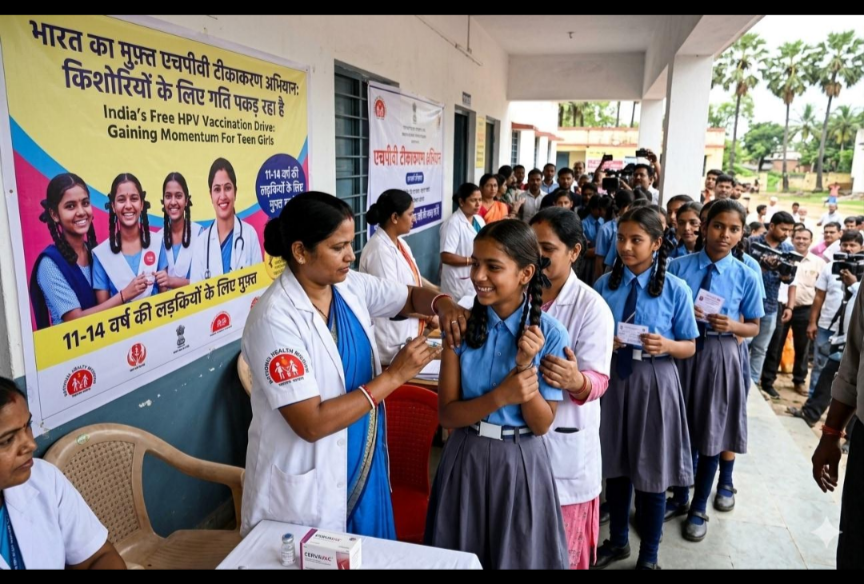
India’s nationwide HPV vaccination programme, aimed at protecting adolescent girls against cervical cancer (primarily caused by HPV types 16 and 18), was launched on February 28, 2026, by Prime Minister Narendra Modi in Ajmer, Rajasthan. States and Union Territories rolled out simultaneous campaigns targeting eligible girls, typically around 14 years of age.
The court’s order clears the way for the continued implementation of the programme under existing public health protocols.