







Forget complicated sleep hacks. The latest wellness conversation is moving toward simpler routines, better sleep environments and habits that work with the body’s natural clock.
Sleep is no longer being treated as something that simply happens after a long day. In 2026, it has become a major part of the wellness conversation, with growing attention on sleep routines, bedroom design, circadian rhythms and even technology-assisted sleep monitoring.
But the emerging message is surprisingly simple: better sleep doesn’t always require more gadgets or complicated bedtime rituals.
The New Sleep Goal: Consistency Over Perfection
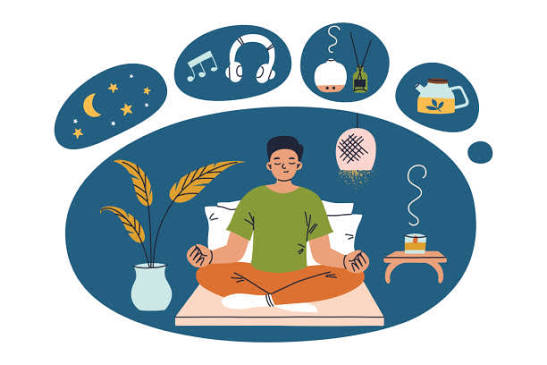
Person following a calm bedtime routine
One of the biggest changes in the sleep conversation is the move away from trying to achieve a “perfect” night’s sleep.
The growing “sleepmaxxing” culture has encouraged people to experiment with trackers, smart mattresses, supplements and elaborate routines. But the Global Wellness Institute notes that excessive focus on sleep scores can sometimes create anxiety rather than better rest. The newer approach is to focus on sustainable habits and consistency.
Your Bedroom Could Matter More Than You Think
Sleep improvement isn’t only about what you do before bed. The environment around you matters too.
A bedroom that is cool, dark, quiet and comfortable can create more supportive conditions for sleep. Light exposure, temperature, noise and air quality are increasingly being viewed as important parts of the overall “sleep environment.”
That means small changes—such as reducing unnecessary light, keeping the room comfortable and limiting nighttime disturbances—may be more useful than constantly searching for the next sleep hack.
Your Body Clock Deserves Attention

Another major 2026 sleep trend is circadian health.
Morning light, consistent wake times and regular daily routines can help keep the body’s internal clock aligned. Meanwhile, irregular schedules, late-night screen exposure and excessive artificial light can work against that rhythm.
A practical goal is therefore to make your sleep and wake times reasonably consistent rather than changing your schedule dramatically from one day to the next.
Put the Phone Down Before Bed
Screens have become one of the biggest challenges to a relaxing bedtime.
Instead of carrying the day’s notifications, social media and work messages into bed, try creating a short screen-free period before sleeping. Use that time for reading, gentle stretching, conversation or simply winding down.
The goal isn’t to completely abandon technology. It’s to stop technology from becoming the final activity your brain experiences every night.
Don’t Turn Sleep Into Another Competition
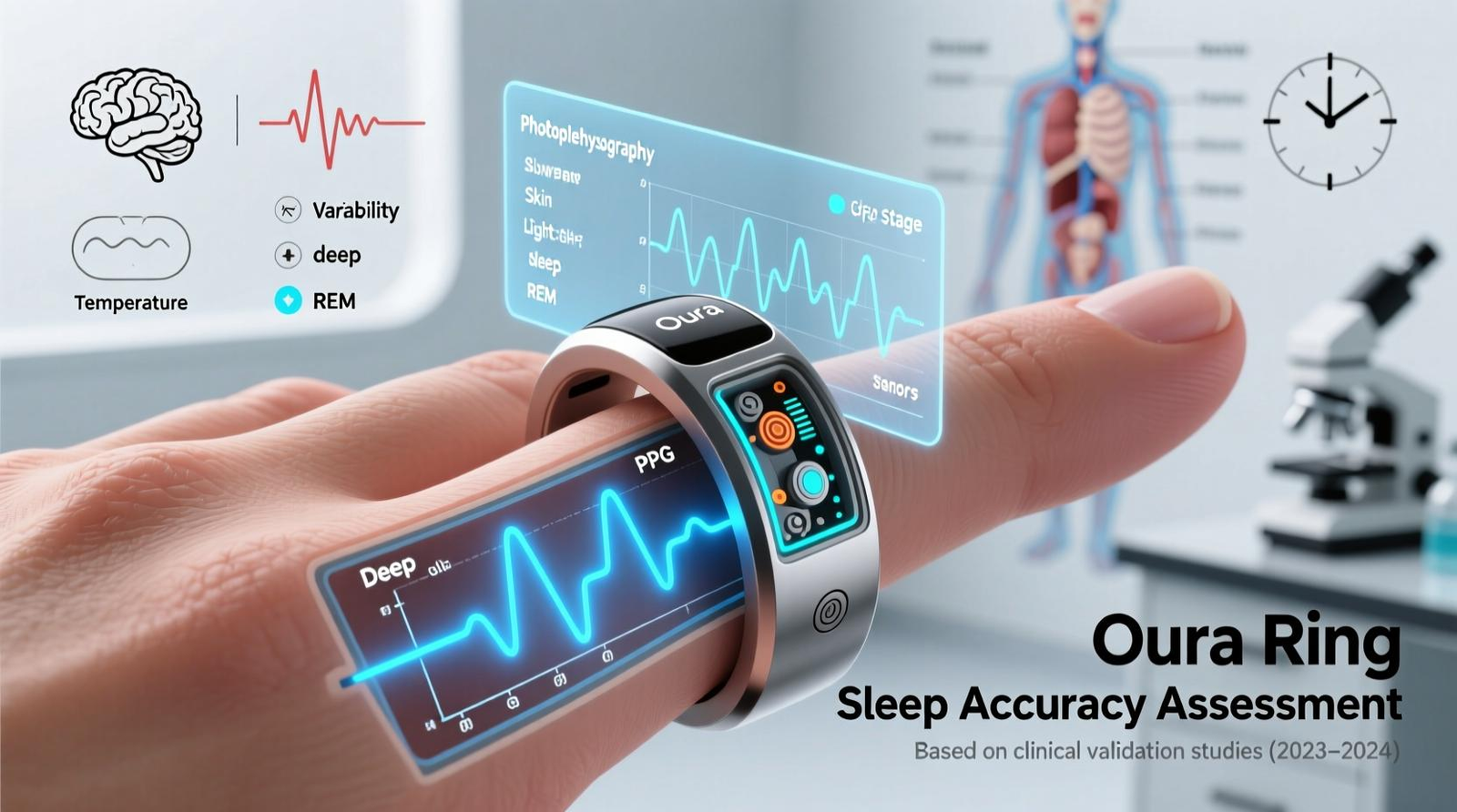
Sleep trackers can provide useful information about patterns, but more data isn’t automatically better.
The Global Wellness Institute points to a growing shift toward using technology as a tool for awareness rather than obsessively chasing the “perfect” sleep score.
Your goal should be feeling rested and functioning well, not winning a competition against your wearable.
Make One Sleep Change at a Time
Trying to transform your entire bedtime routine overnight can make the process harder.
Instead, choose one realistic goal:
- Keep a more consistent wake-up time.
- Reduce late-night screen use.
- Get some morning daylight.
- Make your bedroom darker and quieter.
- Avoid turning bedtime into a stressful checklist.
- Give yourself enough opportunity to sleep.
Small changes are easier to maintain—and consistency is often more valuable than a complicated routine.
The Bottom Line
The 2026 sleep conversation is becoming less about finding a magical sleep hack and more about creating conditions that allow the body to rest naturally.
Better sleep may not require doing more. Sometimes, it means simplifying your evenings, respecting your body clock and giving your mind fewer reasons to stay switched on.
If persistent sleep problems continue despite healthy habits or regularly interfere with daytime life, consider speaking with a healthcare professional rather than relying solely on consumer sleep technology. The Global Wellness Institute notes that wearable devices can provide useful insights but should not replace clinical diagnosis.