
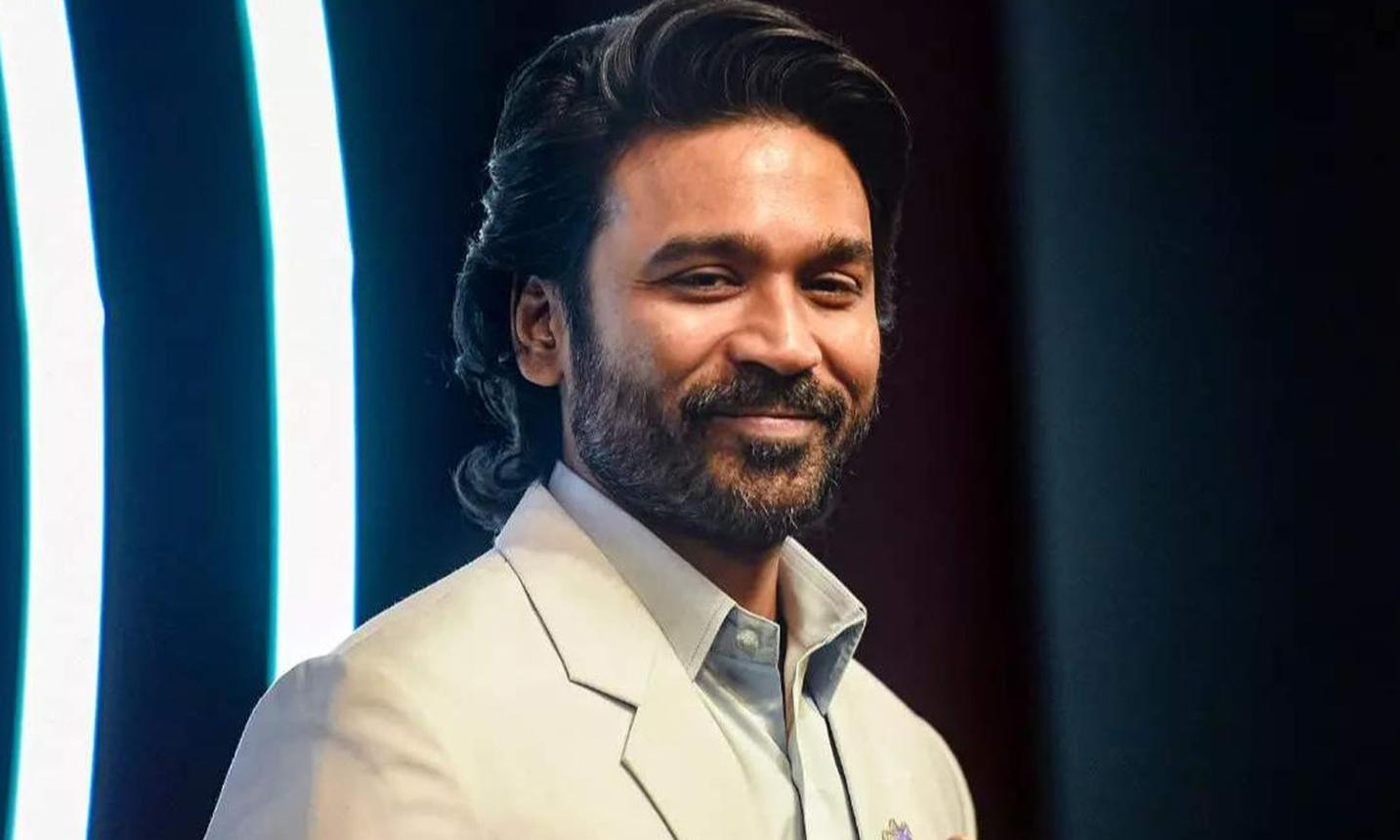

Instagram is getting a nostalgic makeover as users turn their modern photographs into images that look as though they were taken decades ago.
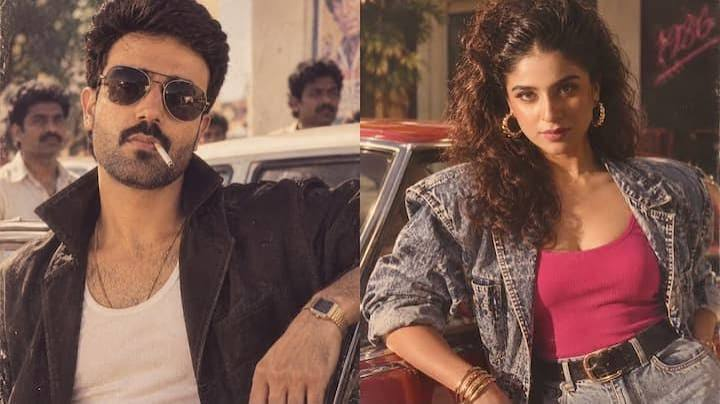
A new AI photo trend is bringing the 1980s Bollywood aesthetic back to social media, with people using ChatGPT to recreate themselves in vintage film portraits, family albums, wedding photographs and old-school magazine shoots.
From Modern Photos to Retro Portraits
Unlike a simple vintage filter, these AI transformations can change much more than colour and texture.
Users can describe the hairstyle, clothing, jewellery, background, lighting and overall mood they want. The result can resemble an old studio photograph or a frame from a classic Indian film.
For women, popular recreations often feature colourful sarees, statement jewellery and voluminous 1980s hairstyles. Men’s looks can include tucked-in shirts, high-waisted trousers, classic hairstyles and period-style accessories.
Why the Trend Is Going Viral
Part of the appeal comes from nostalgia. AI gives people a chance to imagine themselves, friends or celebrities living in an era they may never have experienced.
The trend has also become highly shareable because one AI-generated image can inspire friends and followers to create their own versions. Instagram Stories and interactive features have helped turn individual creations into wider social-media challenges.
The trend is no longer limited to generic Bollywood styling either. AI users are experimenting with regional aesthetics, including 1980s Kerala-inspired portraits and Malayalam cinema looks.
What Makes an AI Retro Photo Look Convincing?
The quality of the result largely depends on how clearly the user describes the desired era.
Instead of simply asking AI to “make this photo look old,” users can specify period-appropriate clothing, hairstyles, accessories, studio settings and analogue-film characteristics.
Details such as warm lighting, subtle film grain, slightly faded colours and soft focus can help create a more convincing retro appearance.
It Is More Than Just a Filter
Traditional photo filters generally apply a preset effect to an existing image. Generative AI can reinterpret the entire scene.
It can change the clothes, surroundings, lighting and styling while attempting to preserve the person’s recognisable facial characteristics. This makes the technology feel closer to a digital recreation than a conventional photo edit.
Celebrities Are Adding to the Buzz
The trend has also reached celebrity social media. Kiara Advani and Sidharth Malhotra recently joined the 1980s-style AI wave, with their digitally created image prompting comparisons with classic Bollywood couples.
Other Indian television and film personalities have also experimented with retro AI portraits, helping the aesthetic spread across different sections of social media.
Check AI Images Before Sharing
There is one important catch: AI-generated images can introduce errors.
Fingers, jewellery, clothing patterns, facial details and background text may sometimes be altered or distorted. Users should therefore inspect the finished image carefully before posting it.
It is also important not to upload photographs containing sensitive information or use someone else’s image without permission.
Most importantly, an AI recreation should be presented as an AI-generated image, rather than being mistaken for a genuine photograph from the 1980s.
When Nostalgia Meets Artificial Intelligence
The viral 1980s photo trend shows how generative AI is becoming part of everyday social-media creativity.
What began as a simple experiment with retro styling has evolved into a broader way of exploring fashion, cinema and cultural memories through digital images. And as AI image tools become more capable, turning today’s photographs into snapshots from another era may become just another form of online self-expression.