







For many people, Saturday and Sunday mean a break from work, family time or weekend travel. But across the world, the traditional weekend follows different patterns shaped by religion, culture and national working practices.
In some countries, Friday is an important weekly rest day, while others follow a Friday-Saturday weekend or retain different schedules across industries.
Why Weekend Days Differ Around the World
The weekend is not universally fixed. Countries determine their working week according to local customs, religious practices, economic needs and government policies.
As global business has expanded, some nations have adjusted their schedules to improve compatibility with international markets while maintaining local traditions.
Friday Is an Important Rest Day in Some Countries
Friday holds particular significance in many Muslim-majority countries because of the congregational Friday prayer. As a result, it has traditionally been a weekly rest day in several places.
However, the exact weekend arrangement varies. Some countries have shifted towards Saturday and Sunday, while others continue to include Friday in their weekly break.
Friday and Saturday Weekends
Several countries in the Middle East have used Friday-Saturday weekends, allowing time for Friday prayers while keeping a working day aligned with the regional business week.
Weekend schedules can change as governments update public-sector working arrangements. The private sector may also follow different practices, so travellers and professionals should check local calendars rather than assume every workplace follows the same pattern.
The Saturday-Sunday Weekend
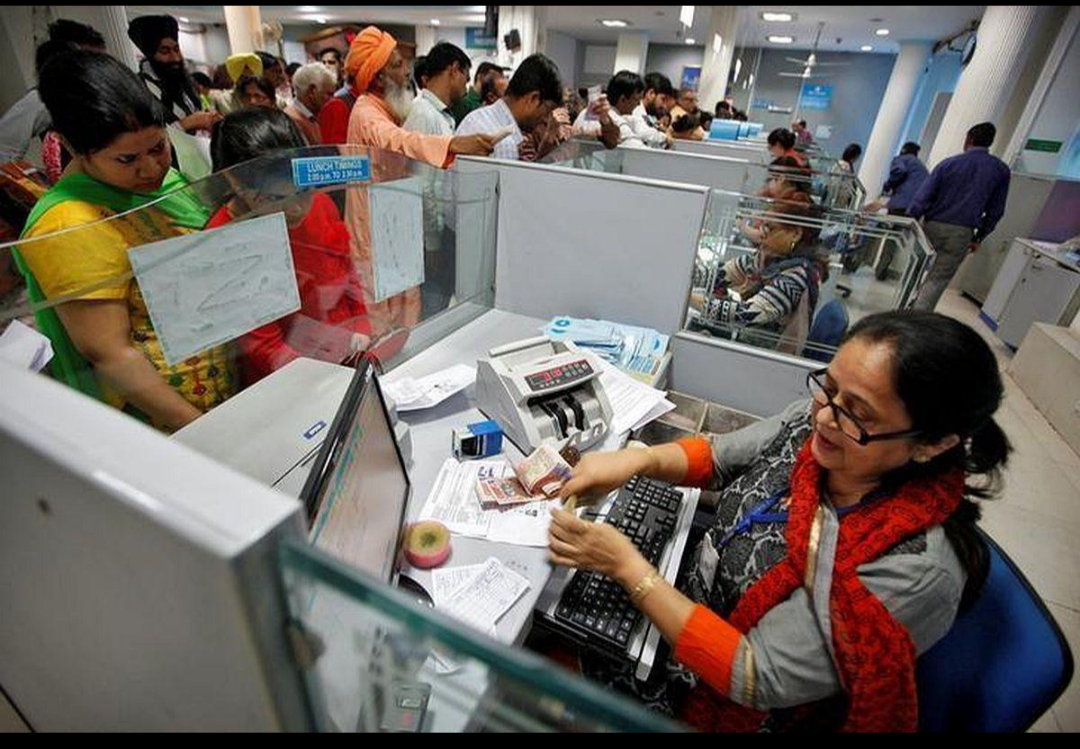
Saturday and Sunday are widely recognised as the weekend in countries such as India, the United Kingdom and the United States. Many offices, schools and public services operate around this schedule.
Even in these countries, however, not everyone has the same days off. Hospitals, hospitality businesses, retail stores, transport services and other essential industries often require weekend shifts.
Workweeks Can Differ Within the Same Country
A national weekend does not necessarily apply to every worker. Some businesses operate on rotating shifts, while certain industries have six-day working weeks or provide rest days during the week.
This means that a country’s official calendar may not reflect the experience of every employee. Public holidays, religious observances and local regulations can also affect working schedules.
What Travellers and International Businesses Should Know
Different weekend patterns can influence opening hours, government services, banking, appointments and business communication.
Travellers should confirm the operating days of attractions and offices before planning a visit. Companies working across borders can avoid delays by checking local public holidays and the working week of their international partners.
A Weekend Is a Local Tradition, Not a Universal Rule
The idea of a weekend may feel universal, but the days that make it up reflect the history and customs of each society. Friday, Saturday and Sunday can all form part of a country’s weekly rest arrangements, depending on its current policies.
Understanding these differences is useful for anyone travelling, working internationally or simply curious about how people around the world organise their lives.
