








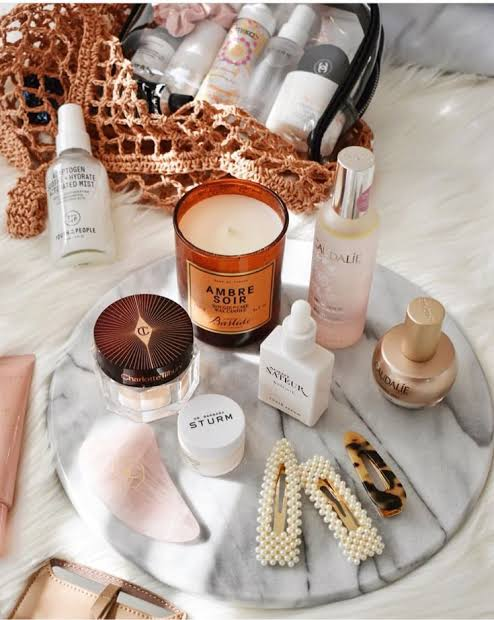
Beauty in 2026 is becoming less about following one perfect routine and more about creating an experience that feels personal.
The industry is moving beyond the traditional divisions between skincare, makeup, sun protection and fragrance. Products are increasingly expected to perform several roles while also delivering something consumers can see, feel or even smell.
At the same time, shoppers are changing the way they discover and buy beauty. Physical stores remain important, social platforms are becoming shopping destinations and consumers are becoming more cautious about whom they trust online.
The result is a beauty landscape where performance still matters, but experience, convenience and individuality matter just as much.
1. Beauty Is Becoming More About How a Product Feels
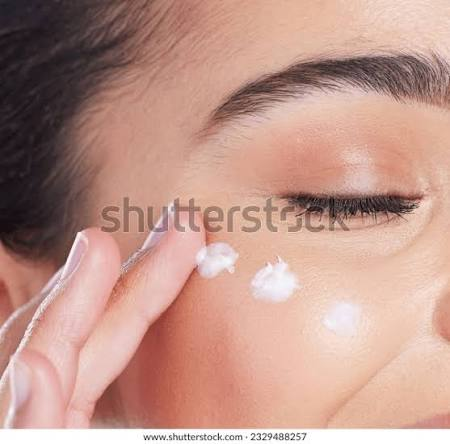
One of the clearest shifts in 2026 is the growing importance of texture.
Beauty companies are experimenting with jelly creams, bouncy gels, mousse cleansers, cushion-like products and soft-focus finishes. The objective is not simply to make a formula effective; it is to make using it enjoyable.
Sensient Beauty identifies sensorial formulations as a major 2026 direction, arguing that texture and feel are becoming important points of differentiation as consumers increasingly judge products by the overall experience they create.
This is changing everyday routines. Applying skincare can increasingly feel like a small ritual rather than another task to complete.
2. The Line Between Beauty Categories Is Disappearing
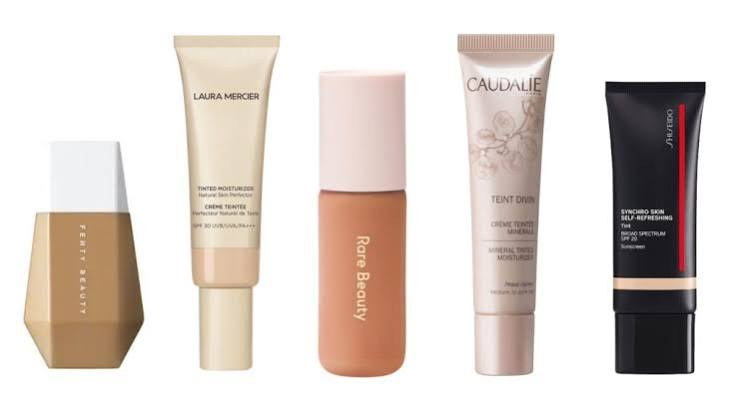
Why choose between skincare and makeup when one product can do both?
Hybridisation is becoming one of the defining ideas of modern beauty. Products are increasingly combining colour, care, protection and convenience.
Think tinted products with skincare benefits, makeup incorporating sun protection or multi-purpose formulations designed to simplify routines.
Sensient describes this convergence as a key characteristic of the 2026 beauty market, where consumers are becoming less interested in rigid category boundaries and more interested in what a product actually does.
For consumers, the appeal is obvious: fewer separate products and more flexible routines.
3. Soft-Matte Beauty Is Replacing Extremely Flat Finishes
Matte makeup is not disappearing, but its definition is changing.
Instead of extremely dry, flat-looking skin, the current direction is toward softer finishes that blur imperfections while preserving a sense of natural skin.
Sensient’s 2026 trend analysis highlights a movement toward breathable, soft-focus matte finishes that combine longevity with comfort.
This reflects a broader beauty preference: polished does not necessarily have to mean heavily perfected.
The modern matte look is increasingly about balance—controlled shine without losing the appearance of real skin.
4. Sun Protection Is Moving Into More Products
SPF is no longer being treated purely as a separate step.
The broader beauty industry is exploring ways of integrating sun protection into more everyday formats, including tinted products and colour cosmetics. Sensient identifies this as part of a wider “SPF everything” direction in which protection is expected to fit seamlessly into normal beauty routines.
The consumer expectation behind this trend is straightforward: protection should be convenient enough to use consistently without interfering with appearance, texture or routine.
That is helping push sun care closer to the centre of everyday beauty.
5. Fragrance Is Becoming Part of Everyday Lifestyle
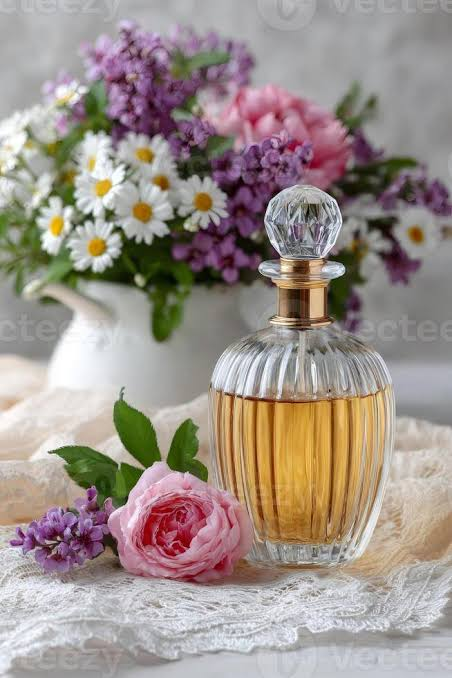
Fragrance is also expanding beyond the traditional perfume bottle.
Scent is increasingly appearing across body products, home products and fabric care, while layering different fragrances is becoming another way for consumers to create a personal sensory identity.
Sensient describes this movement as fragrance becoming more deeply integrated into lifestyle, while Premium Beauty News highlights pleasure and sensory experience as important forces shaping the beauty industry in 2026.
The result is a broader understanding of fragrance: it is not simply something applied before leaving the house. It can become part of how a person designs the atmosphere around them.
6. Calm Is Becoming a Beauty Aesthetic
Not every 2026 beauty trend is about louder colours or bigger statements.
Premium Beauty News identifies a contrasting desire for protection, grounding and calm under its “Hush state” trend. The idea reflects a consumer environment shaped by technological intensity, uncertainty and information overload.
That mood can appear visually through soft colours, understated packaging and simpler rituals.
In this sense, beauty is beginning to respond not only to how people want to look, but also to how they want an experience to feel.
7. Pleasure Is Becoming Part of the Product
Beauty has traditionally been marketed around results.
But products that feel fun, indulgent or satisfying can make ordinary routines more engaging.
Premium Beauty News describes a 2026 trend around deliberately designed pleasure, where scent, texture, colour and other sensory cues become part of the product experience rather than decorative extras.
This explains the appeal of unusual textures, playful formats and food-inspired beauty concepts.
The product becomes something people want to use—not simply something they believe they should use.
8. The Beauty Shopper Is Becoming More Selective Online
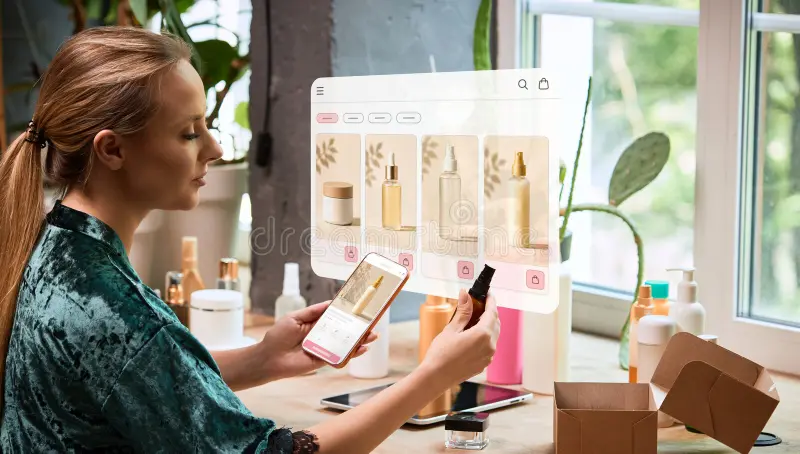
While beauty discovery has become increasingly digital, online influence does not automatically equal trust.
Vypr’s January 2026 survey of 500 UK consumers found that 60% said they typically purchased beauty products on the high street, while 36% selected online retailers. Just 3% said they completely trusted social media as a channel for purchasing beauty products.
The findings suggest that the future of beauty shopping is not simply “online versus offline.”
Instead, consumers may move between both depending on what they need. A physical store can provide testing and personal discovery, while digital platforms can provide convenience, inspiration and quick purchasing.
9. Social Media Is a Shop, but Not Always a Trusted Advisor
TikTok, Instagram and other platforms have transformed beauty discovery.
Yet there is an important distinction between seeing a product online and trusting it enough to buy it.
Vypr found that 45% of surveyed consumers said social media creators had no influence at all on their beauty purchases, although younger groups were more likely than older consumers to act on online recommendations.
That means beauty brands cannot rely solely on influencer visibility.
Authenticity, product information, reputation and the shopping experience can matter just as much as virality.
10. Human Expertise Is Becoming More Valuable
As technology and AI become more deeply embedded in beauty, human knowledge is gaining a different kind of value.
Premium Beauty News describes this through its “Hands of mastery” trend, suggesting that craftsmanship, specialist knowledge and visible expertise are becoming important forms of authority.
That can be seen in the growing visibility of makeup artists, professional advice, expert-led brands and education around ingredients.
Consumers do not necessarily want more information. They want information that helps them make better decisions.
11. Beauty Is Becoming a Form of Personal Identity
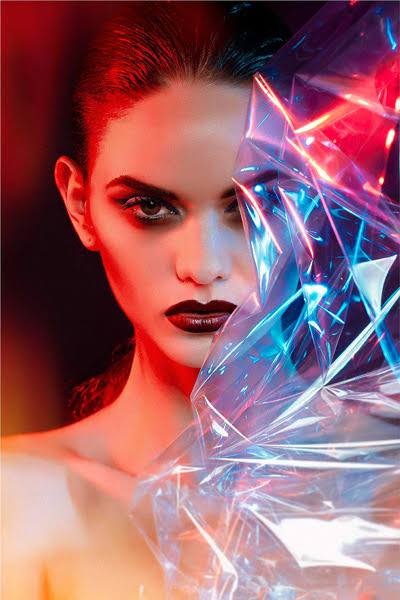
Perhaps the biggest change is the decline of a single definition of what “good beauty” looks like.
Premium Beauty News identifies “Rebel identity” as another major 2026 direction, centred on self-authored expression and challenging established rules around appearance.
That can mean unusual colours, exaggerated makeup, deliberately imperfect finishes or simply ignoring conventional rules.
The message is increasingly simple: beauty does not have to make everyone look alike.
12. The Future Is Personal, Sensory and Flexible
The beauty industry of 2026 is being shaped by several seemingly opposite desires.
Consumers want performance, but they also want pleasure. They want technology, but they still value human expertise. They want convenience, but physical stores remain important. They want polished results, but they are increasingly comfortable with individuality.
That tension is what makes the current beauty landscape so interesting.
The next generation of beauty products may not win simply because they promise better results. They may win because they fit more naturally into people’s lives, offer an enjoyable experience and give consumers more freedom to decide what beauty means to them.
The Bottom Line
Beauty in 2026 is moving away from rigid rules and toward personal experience.
Textures are becoming part of the attraction. Hybrid products are simplifying routines. Fragrance is expanding into lifestyle. SPF is being built into more formats. Physical stores continue to matter even as social commerce grows, while consumers remain cautious about trusting online recommendations.
The biggest trend may therefore be bigger than any one product or aesthetic: beauty is becoming more flexible, experiential and individual than ever.