








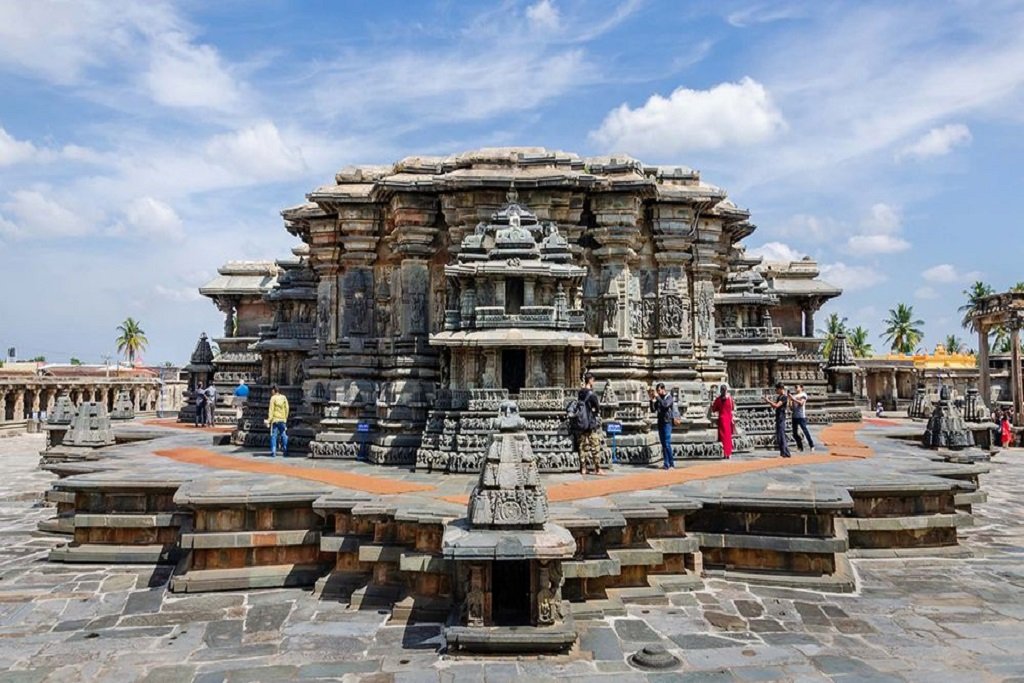
India’s rich architectural heritage continues to amaze visitors with monuments that showcase the extraordinary craftsmanship of earlier generations. Among them, the Chennakeshava Temple in Belur, Karnataka, stands as one of the finest examples of Hoysala-era architecture.
Built during the reign of King Vishnuvardhana in the 12th century, the temple is renowned for its incredibly detailed stone carvings, sculpted pillars and ornate ceilings. Nearly nine centuries after its construction, the precision and artistic complexity of the temple continue to attract historians, architecture enthusiasts and tourists from across India and the world.
One of the most striking features of the temple is its intricately carved ceiling. The elaborate patterns, floral designs, mythological figures and sculptural details demonstrate the remarkable skill of the artisans who worked on the monument centuries ago.
The temple complex also features beautifully decorated pillars and walls filled with sculptures depicting gods, dancers, animals, legendary stories and elements of everyday life. Every section reflects the distinctive artistic style associated with the Hoysala period.
The Chennakeshava Temple, Belur, is more than a place of worship. It represents an important chapter in Karnataka’s cultural and architectural history and highlights the remarkable achievements of Indian stone craftsmanship.
Its enduring beauty serves as a reminder of how ancient Indian artisans created monumental works without modern machinery or technology. The temple remains a major heritage attraction and continues to inspire admiration for India’s architectural legacy.
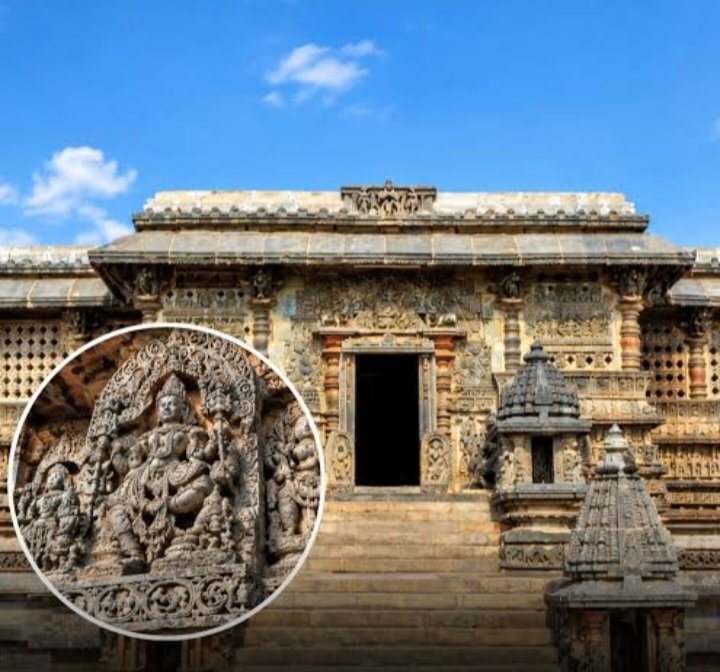
The famous lathe-turned pillars inside the temple are another highlight of Hoysala craftsmanship. Their smooth surfaces, elaborate decorations and symmetrical designs demonstrate the extraordinary precision achieved by craftsmen long before modern engineering tools existed.
What makes the Chennakeshava Temple particularly fascinating is that its beauty is not limited to one section. From the entrance and pillars to the walls, sculptures and ceilings, almost every surface carries artistic details. The monument effectively turns architecture into a visual storytelling experience.
Beyond its religious significance, the temple represents an important part of Karnataka’s cultural and historical heritage. Belur, together with other major Hoysala sites, offers a glimpse into the artistic, religious and architectural traditions that flourished in medieval South India.
Nearly 900 years after its construction, the Chennakeshava Temple continues to leave visitors amazed. Its intricate carvings stand as a lasting tribute to the skill, patience and creativity of the artisans who created this extraordinary monument in stone.
Today, the temple remains one of Karnataka’s major heritage attractions and a powerful reminder of India’s remarkable architectural legacy.