






Fitness Is Becoming a High Tech Investment
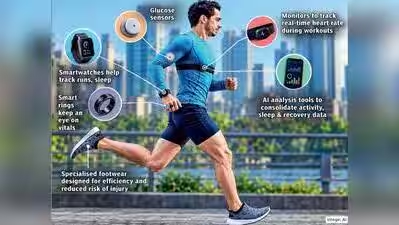
For many fitness enthusiasts, staying healthy is no longer limited to a gym membership, running shoes or a basic workout plan. Smartwatches, heart-rate monitors, cycling sensors, continuous glucose monitors, recovery equipment and AI-powered analysis are becoming part of increasingly expensive fitness routines.
Some Enthusiasts Spend Lakhs Every Year
The spending can be substantial. One Hyderabad runner featured in the report said he spends more than ₹5 lakh annually on fitness, including running shoes, a premium gym membership, supplements and cycling upgrades.
He also uses activity, sleep and recovery data to analyse his performance with the help of AI.
Wearables Are Driving the Data Revolution
Fitness enthusiasts are increasingly looking beyond basic step counts. Advanced smartwatches and sensors can track heart rate, sleep, recovery and workout performance, allowing users to compare their progress over time.
For serious runners and cyclists, the goal is to turn everyday exercise into measurable data that can guide training decisions.
Fitness Technology Can Also Support Health Needs
For some people, these devices are not simply performance gadgets. A Hyderabad runner with Type 1 diabetes uses a continuous glucose monitor alongside a smartwatch to track blood sugar while exercising.
However, such technology can add significantly to annual expenses. Her CGM alone costs roughly ₹3,500 to ₹5,000 every 14 days, according to the report.
India’s Fitness Economy Is Expanding
The growing appetite for fitness technology reflects a larger change in India’s wellness industry. A Deloitte India and Health & Fitness Association report estimated the country’s fitness economy at ₹16,200 crore in 2024 and projected it could reach ₹37,700 crore by 2030.
Rising disposable incomes, health awareness and technology are helping fuel this growth.
Does Expensive Gear Mean Better Results?
Not necessarily. A more expensive watch, bicycle or recovery device cannot replace consistent training, adequate sleep, proper nutrition and expert guidance.
Technology can provide useful information, but the value comes from understanding and applying that data rather than simply collecting more of it.
The Future of Smarter Fitness
The fitness industry is moving towards increasingly personalised training, combining wearables, health data, AI analysis and specialised coaching.
For some enthusiasts, spending more means gaining better insights and convenience. But smarter fitness does not always have to mean more expensive fitness the most important investment remains regular exercise and sustainable healthy habits.
