






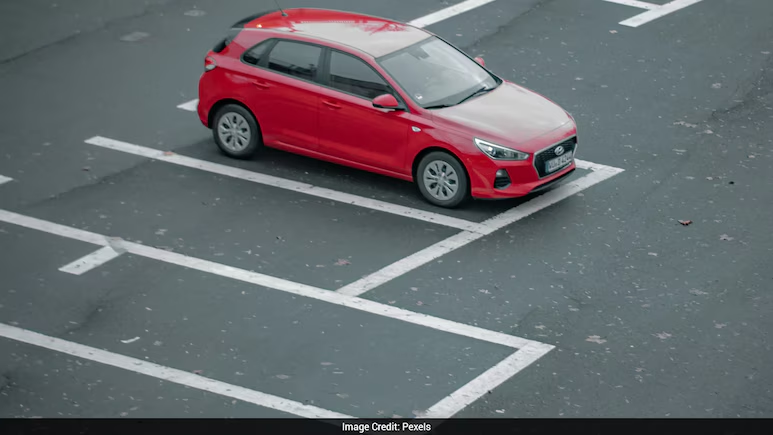
A woman in China has drawn attention after buying 196 parking spaces in a residential complex and later renting them out at twice the original monthly rate. Her investment strategy proved profitable as the neighbourhood developed, but it also triggered a dispute with residents struggling to find affordable parking.
The case took place in Changsha, in China’s Hunan province, and has reignited debate about property ownership and access to essential residential facilities.
A Risky Investment in 2018
In 2018, Wu purchased 196 parking spaces for 14 million yuan, accounting for around 40% of the complex’s total parking inventory. At the time, the development lacked several basic amenities, and demand for both homes and parking spaces was limited.
Wu reportedly studied local development plans and anticipated that the area would become more desirable. The developer, which was facing financial difficulties, agreed to the bulk purchase.
Rising Demand Changes the Picture
As the neighbourhood developed and more residents moved in, demand for parking increased. Wu’s early investment began to look more valuable as the spaces became increasingly sought after.
To protect her property, she installed parking locks that prevented other vehicles from using the spaces without permission.
Rent Doubles as Residents Object
Wu began renting out some spaces for around 500 yuan per month, approximately double the original rate set by the developer. Residents reportedly asked her to reduce the rent to 300 yuan, but she declined.
She also listed some spaces for sale at about 100,000 yuan each, with certain prices reportedly reaching up to 80% above their original values.
The higher prices angered residents who said they were already finding it difficult to secure parking close to their homes.
Residents Take the Dispute to Court
Some residents joined together to challenge the purchase, arguing that parking spaces were essential to the residential community and should not be controlled by one investor seeking higher returns.
They asked the court to cancel Wu’s purchase agreement with the developer. Attempts at mediation reportedly failed to settle the disagreement.
Court Rules in Wu’s Favour
In February 2024, a local court in Changsha ruled in Wu’s favour. The court noted that residents had been given an opportunity to buy the spaces when they were originally offered for sale but had chosen not to do so.
Wu had invested her own money and taken the risk that the area’s value might not increase. The court also noted that no law restricted the number of parking spaces an individual could own.
Investment Opportunity or Community Problem?
The case highlights a conflict between private property rights and residents’ expectations about access to shared neighbourhood facilities. Supporters of Wu’s decision see it as an investment made when demand was uncertain, while critics argue that parking shortages can make bulk ownership difficult for other residents.
The story has since attracted renewed attention online, with people debating whether the outcome reflects a legitimate investment strategy or raises wider questions about access to residential infrastructure.
