


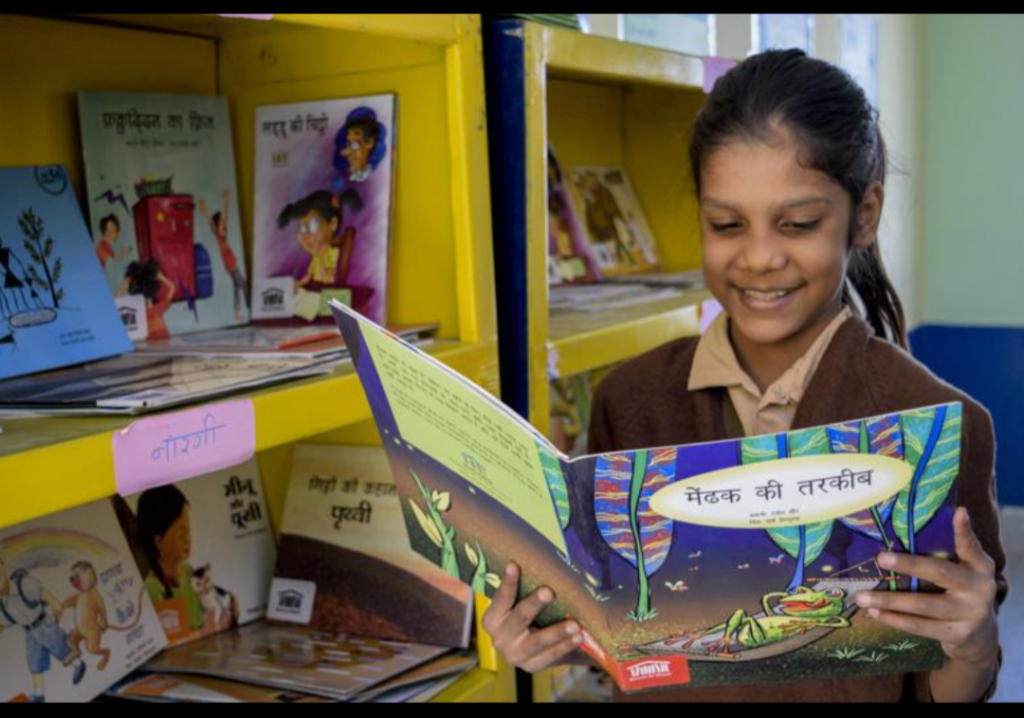
September 8, 2026 — Today the world observes International Literacy Day, marking a significant milestone: the 60th anniversary of the global observance. Proclaimed by UNESCO in 1966 and first celebrated in 1967, the day continues to underline the critical role of literacy in building just, peaceful, and sustainable societies.
This year’s theme — “Literacy for people, the planet and prosperity” — expands the conversation beyond basic reading and writing. It highlights how literacy drives inclusion, supports environmental sustainability, and opens pathways to better livelihoods and economic opportunity.
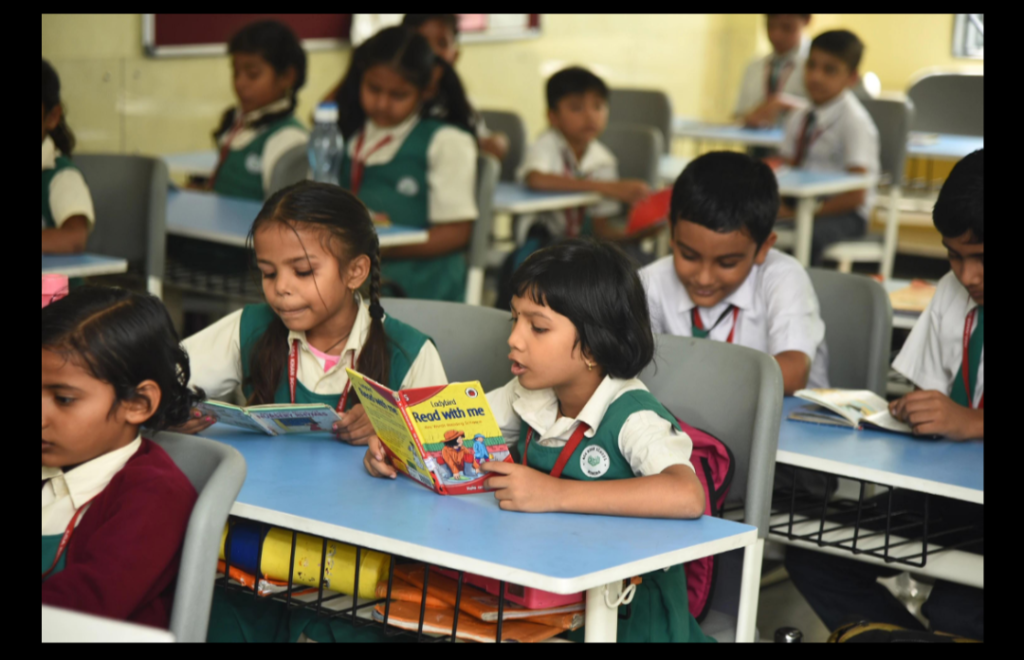
Why Literacy Still Matters in 2026 Despite remarkable progress over six decades, challenges remain substantial. According to UNESCO data:The global adult literacy rate stands at around 88%.About 93% of young people aged 15–24 are literate.Yet at least 739 million youth and adults still lack basic literacy skills.Nearly two-thirds of those without basic literacy skills are women.Four in ten children are not reaching minimum reading proficiency, and hundreds of millions of children and adolescents remain out of school.Literacy is far more than a skill — it is a fundamental human right and a foundation for lifelong learning, informed citizenship, gender equality, climate action, and prosperity.The 2026 Theme Explained the theme “Literacy for people, the planet and prosperity” connects literacy to three interconnected pillars:People: Promoting inclusion, equity, participation, and equal opportunities for all, especially marginalized groups.Planet: Enabling individuals to understand and act on environmental challenges and sustainable development.Prosperity: Expanding access to decent work, economic opportunities, and improved quality of life.In a rapidly changing world shaped by technology, climate pressures, and social shifts, literacy equips people to adapt, innovate, and contribute meaningfully to society.
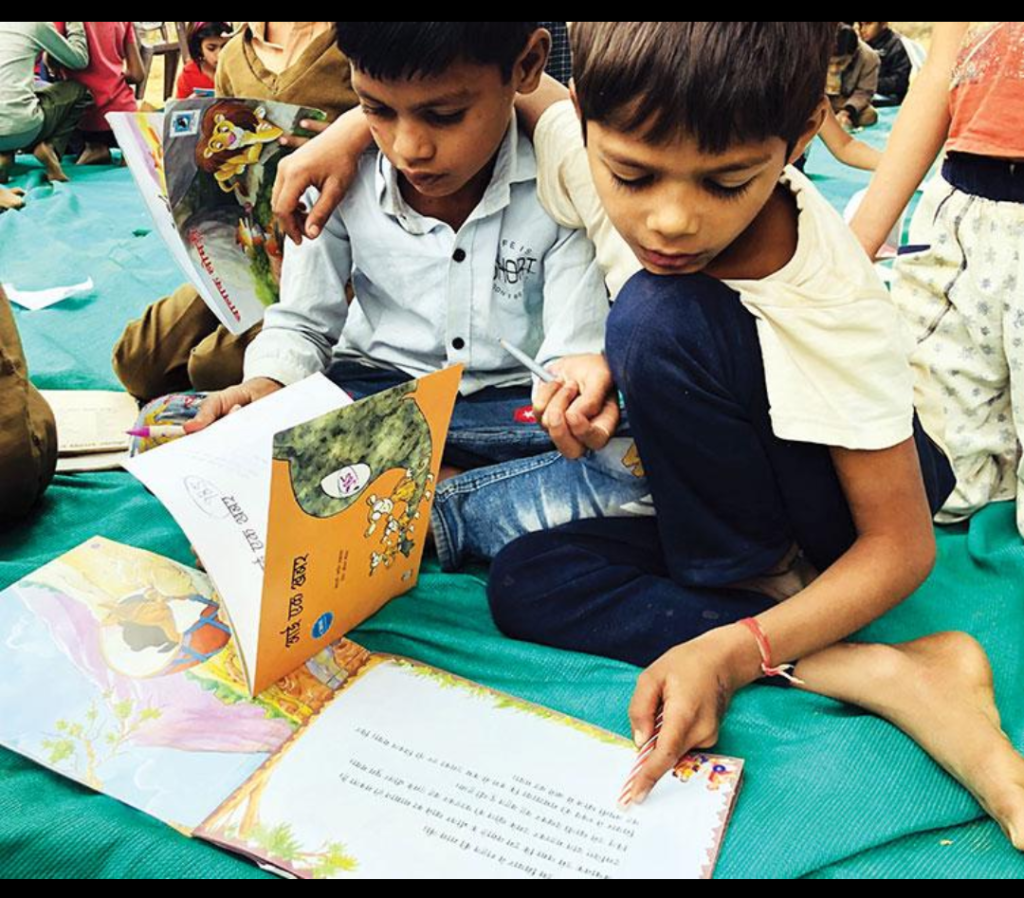
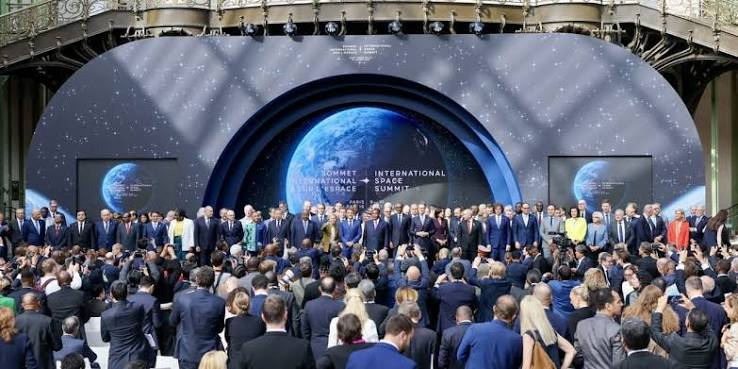
UNESCO is hosting the main global event on 8–9 September 2026 in Chiapas, Mexico, in partnership with the Government of Mexico. The programme includes:Opening ceremony and award of the UNESCO International Literacy PrizesDiscussions among education ministers, experts, teachers, and learnersSessions reviewing 60 years of progress and charting future agendasThe annual meeting of the Global Alliance for LiteracyThe event is being held in an indigenous community setting and will be webcast in English, French, and Spanish. Parallel celebrations and activities are taking place at local, national, and regional levels worldwide.