








Earth is preparing for a possible geomagnetic storm on October 11, after two eruptions from the Sun sent charged material towards our planet. The US National Oceanic and Atmospheric Administration (NOAA) has issued a watch for a moderate G2 geomagnetic storm, raising concerns about potential disruptions to satellites, radio communications and navigation systems.
What Is Causing the Solar Storm?
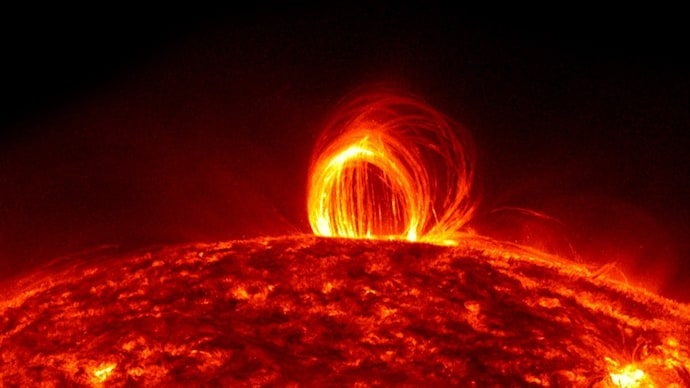
The event follows two solar eruptions that occurred on October 7 and 8. These eruptions released clouds of charged particles and magnetic material into space, a phenomenon known as coronal mass ejection.
As the material approaches Earth, it may interact with the planet’s magnetic field and trigger a geomagnetic storm. The strength of the impact will depend on the speed and magnetic properties of the incoming material.
How Could It Affect Technology?
A G2-level storm can affect certain technological systems, particularly at higher latitudes. Satellite operators may need to make adjustments, while radio communications and satellite navigation signals could experience temporary disruptions.
Power systems in some regions may also face voltage fluctuations. However, the forecast does not mean widespread outages or major communication failures are inevitable.
Could Auroras Become More Visible?
One of the most striking effects of geomagnetic storms is the appearance of auroras, colourful displays produced when charged particles interact with gases in Earth’s upper atmosphere.
During stronger geomagnetic activity, auroras can sometimes become visible farther from the polar regions than usual. Their visibility depends on the storm’s intensity and local viewing conditions.
What Does It Mean for India?
The forecasted G2 storm does not indicate a major direct threat to everyday life in India. Widespread power cuts or communication failures are not expected simply because a geomagnetic storm watch has been issued.
Auroras are also unlikely to become widely visible across India under the forecast described in the report.
Why Scientists Are Monitoring the Sun
Space-weather agencies continuously monitor solar activity to help satellite operators, power companies and communication providers prepare for possible disruptions. Forecasts are updated as incoming solar material gets closer and its characteristics become clearer.
The October 11 watch remains a forecast, and the storm’s actual strength and effects will depend on how the solar material interacts with Earth’s magnetic environment.
