






South India is home to some of India’s most remarkable temples, where centuries-old traditions meet magnificent architecture. From hilltop pilgrimage centres to coastal shrines and historic temple towns, these destinations offer travellers an opportunity to explore spirituality, history and regional culture.
Here are eight famous temples to consider adding to your South India travel itinerary.
1. Meenakshi Amman Temple, Madurai
<text></text>
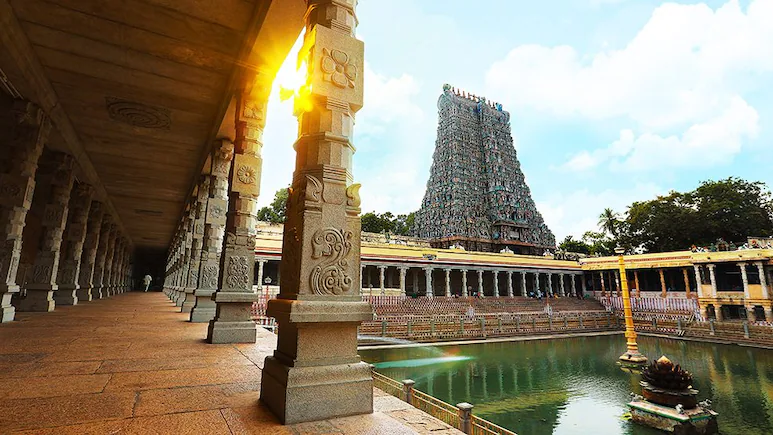
Located in Tamil Nadu, the Meenakshi Amman Temple is dedicated to Goddess Meenakshi and Lord Sundareswarar. Its towering gopurams, colourful sculptures and expansive courtyards make it one of the region’s most recognisable religious landmarks.
Visitors can explore its architectural details and experience traditional prayer ceremonies. October to March is generally a comfortable period to visit Madurai.
2. Sri Venkateswara Temple, Tirupati
Situated on the Tirumala Hills in Andhra Pradesh, Sri Venkateswara Temple is among India’s most prominent pilgrimage destinations. Dedicated to Lord Venkateswara, the shrine attracts devotees throughout the year.
The temple’s rituals, devotional chants and spiritual atmosphere make it an important stop for pilgrims. Travellers should plan ahead, as waiting times and crowds can be significant.
3. Ramanathaswamy Temple, Rameswaram
Ramanathaswamy Temple in Tamil Nadu is one of the twelve revered Jyotirlingas dedicated to Lord Shiva. It is especially famous for its long corridors, intricately carved pillars and sacred water wells.
Many pilgrims take ritual baths before offering prayers. Its location near the coast adds to the appeal of a visit, particularly between October and April.
4. Sree Padmanabhaswamy Temple, Kerala
Located in Thiruvananthapuram, Sree Padmanabhaswamy Temple is dedicated to Lord Vishnu, depicted reclining on the serpent Anantha. Its architecture blends traditional Kerala elements with Dravidian influences.
The shrine holds immense religious significance and is known for its elaborate carvings and distinctive architectural style. Visitors should check entry rules and dress requirements before arriving.
5. Virupaksha Temple, Hampi
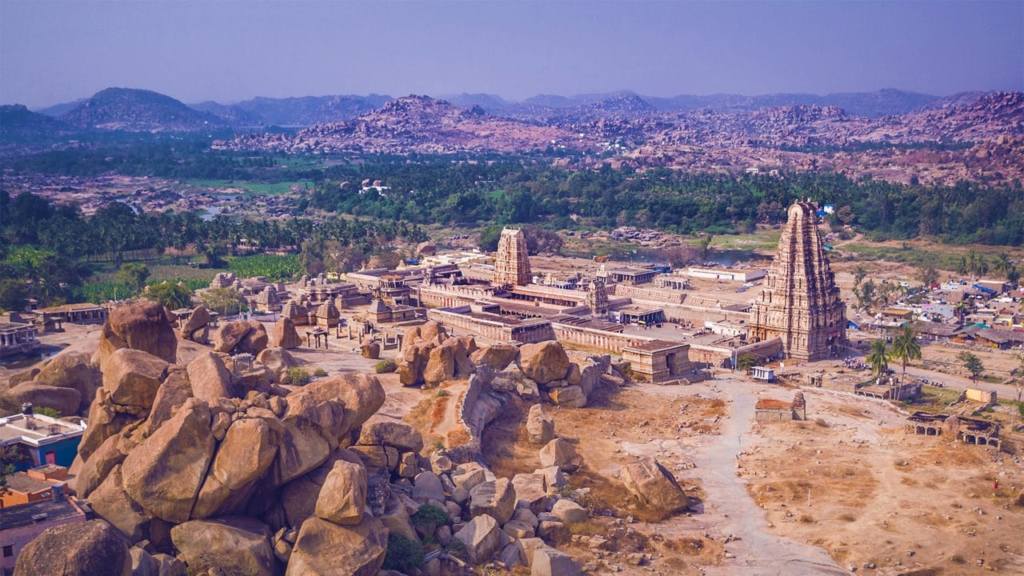
The Virupaksha Temple is an important place of worship set amid the historic monuments of Hampi, Karnataka. Dedicated to Lord Shiva, it reflects the artistic and architectural legacy of the Vijayanagara Empire.
Travellers can combine a temple visit with an exploration of Hampi’s ancient ruins, stone structures and surrounding landscapes. November to February is generally a pleasant period for sightseeing.
6. Murudeshwar Temple, Karnataka
Overlooking the Arabian Sea, Murudeshwar Temple is known for its towering statue of Lord Shiva and scenic coastal setting. It combines religious significance with panoramic views of the sea.
Visitors can spend time exploring the temple complex and enjoying the surrounding coastline. The destination is particularly attractive for travellers who want to combine a spiritual visit with coastal sightseeing.
7. Brihadeeswarar Temple, Thanjavur
Built during the Chola period, Brihadeeswarar Temple is one of Tamil Nadu’s finest architectural landmarks and forms part of a UNESCO World Heritage property. Dedicated to Lord Shiva, it is admired for its monumental structure, stone carvings and historical importance.
The temple offers insight into the engineering and artistic achievements of medieval South India. November to February is generally suitable for exploring Thanjavur.
8. Guruvayur Temple, Kerala
Guruvayur Temple is one of Kerala’s best-known pilgrimage centres and is dedicated to Lord Krishna. Often called the “Dwarka of the South,” it is associated with traditional rituals and major religious festivals.
The temple attracts large numbers of devotees, especially during festive periods. Visitors should check current darshan timings and entry guidelines before planning their trip.
Tips for Planning a South India Temple Tour
- Choose the right season: October to February is generally comfortable for visiting many destinations, although conditions vary by location.
- Check temple rules: Dress codes, photography restrictions and entry procedures differ between shrines.
- Plan for crowds: Popular temples may require advance bookings or long waiting periods.
- Respect local customs: Follow instructions from temple authorities and observe rules around worship areas.
- Allow enough travel time: These temples span several states, so visiting all eight may require multiple days or separate trips.
South India’s temples offer more than places of worship. Their architecture, rituals and historical connections provide a window into the region’s living heritage, making them rewarding destinations for spiritual travellers and culture enthusiasts alike.
